
Cruising Safely: Your Guide to E-Bike Laws in Massachusetts
Electric bikes, also known as e-bikes, have become increasingly popular as a sustainable and convenient mode of transportation. However, before you hop onto your e-bike and hit the streets of Massachusetts, it’s essential to understand the state’s regulations and laws surrounding electric bicycles. In this comprehensive guide, we’ll delve into the specifics of electric bike laws in Massachusetts, covering different classifications, age restrictions, speed limits, and more. Electric bikes, equipped with an electric motor to assist with pedaling, offer an efficient and eco-friendly way to get around. However, these bikes are subject to specific regulations set by each state. In Massachusetts, e-bike riders must adhere to the state’s laws to ensure their safety and the safety of others on the road.
Types of Electric Bikes
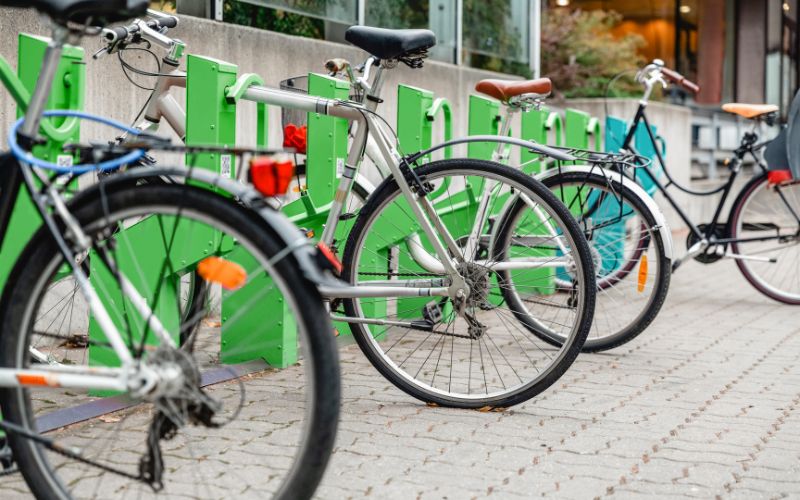
Electric bikes, often called e-bikes, come in various configurations to cater to different riding preferences and needs. Understanding the distinctions between these types is essential for selecting the e-bike that best suits your requirements. Massachusetts law classifies e-bikes into three main categories: Class 1, Class 2, and Class 3.
Class 1 E-Bikes
Class 1 e-bikes are designed with a motor that assists the rider only when pedaling. The motor assistance ceases as soon as the bike reaches a speed of 20 miles per hour (mph). These e-bikes have sensors that detect pedaling motion, triggering the motor to engage and assist the rider’s efforts. This e-bike category is particularly well-suited for commuters and leisure riders looking for a boost during pedaling without needing to rely solely on the motor.
Benefits of Class 1 E-Bikes
- Energy-efficient pedaling assistance.
- It enhanced the riding experience with less exertion.
- Allows for longer rides without excessive fatigue.
Class 2 E-Bikes
Class 2 e-bikes have a motor that can propel the bike without the rider’s need to pedal. This feature is handy when riders want to glide along effortlessly without pedaling, especially on flat terrain or when starting from a stop. Similar to Class 1 e-bikes, the motor assistance on Class 2 e-bikes also cuts off when the bike reaches a speed of 20 mph. These e-bikes often come with a throttle control that allows the rider to control the motor’s engagement independently of pedaling.
Benefits of Class 2 E-Bikes
- Convenient throttle control for motor engagement.
- Ideal for riders who may have difficulty pedaling for extended periods.
- Great for casual rides and short commutes.
Class 3 E-Bikes
Class 3 e-bikes share similarities with Class 1 e-bikes, as they require the rider to pedal for the motor to activate. However, Class 3 e-bikes offer a higher level of motor assistance, allowing the bike to reach speeds up to 28 mph. Due to the increased speed potential, Class 3 e-bikes are often used for longer commutes or rides that cover more ground in less time. These e-bikes are popular among commuters who want to arrive at their destinations quickly without needing a car.
Benefits of Class 3 E-Bikes
- Higher speed potential for quicker commuting.
- Suitable for covering longer distances without excessive effort.
- Offers a balanced combination of exercise and motor assistance.
Choosing the right type of e-bike depends on factors such as your intended use, preferred level of physical exertion, and local regulations. Whether you opt for a Class 1, Class 2, or Class 3 e-bike, the convenience, environmental friendliness, and overall enjoyment of riding an electric bike in Massachusetts remain constant.
Age Requirements

Understanding the age requirements is crucial when it comes to enjoying the benefits of electric bikes (e-bikes) in Massachusetts. While e-bikes offer a convenient and eco-friendly mode of transportation, specific regulations are in place to ensure the safety of riders and pedestrians. Let’s explore the age restrictions set by Massachusetts law for different classes of e-bikes.
Class 1 and Class 2 E-Bikes
There are no specific age restrictions for Class 1 and Class 2 e-bike riders in Massachusetts. This means individuals of all ages, including children and teenagers, can legally ride these e-bikes. These classes of e-bikes are equipped with motors that assist while the rider is pedaling, and their speed is limited to 20 miles per hour (mph). Since the motor assistance is initiated through pedaling, riders have control over the aid level they receive.
Considerations for Young Riders
- Parents and guardians should ensure that young riders are comfortable with the e-bike’s controls and motor assistance.
- Supervision is recommended for younger riders, especially if they are new to riding e-bikes.
Class 3 E-Bikes
Riders of Class 3 e-bikes, which can reach speeds of up to 28 mph, are subject to age restrictions. According to Massachusetts law, individuals must be at least 16 to operate a Class 3 e-bike. This age requirement is in place due to the higher speed potential of Class 3 e-bikes and the need for riders to have a certain level of maturity and responsibility.
Enforcing Age Restrictions
- Riders should be prepared to provide proof of age if requested by law enforcement.
- Retailers may have policies regarding selling Class 3 e-bikes to individuals under 16.
Ensuring that riders adhere to the appropriate age requirements for each class of e-bike is essential for promoting safety on the roads and bike paths of Massachusetts. By abiding by these regulations, riders can enjoy their e-bike experiences while minimizing risks to themselves and others.
It’s important to note that while age restrictions are a vital aspect of e-bike laws in Massachusetts, riders of all ages should prioritize safety by wearing helmets, following traffic rules, and being aware of their surroundings. By doing so, riders contribute to a safer and more enjoyable e-bike riding environment.
Speed Limits
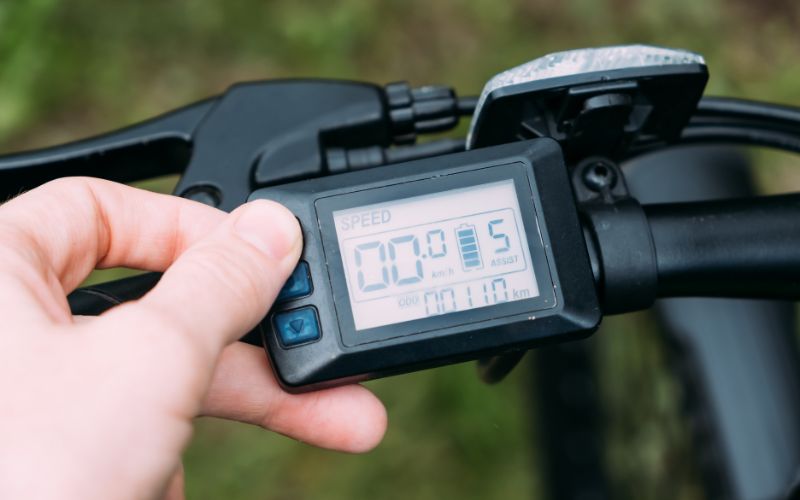
Regardless of the class, all e-bikes are limited to a top speed of either 20 or 28 mph, depending on their classification. To comply with Massachusetts law, riders should ensure their e-bikes adhere to these speed limits.
Electric bikes, commonly known as e-bikes, offer riders the perfect blend of pedal power and electric assistance. While these bikes provide a convenient way to navigate cities and beyond, it’s important to understand and adhere to the speed limits outlined by Massachusetts law. E-bike speed limits ensure rider safety and contribute to harmonious interactions with other road users. Let’s explore the speed limits set for different classes of e-bikes in Massachusetts.
Class 1 and Class 2 E-Bikes
The maximum allowable speed for Class 1 and Class 2 e-bikes is 20 miles per hour (mph). These e-bikes have motors that assist only when the rider is actively pedaling. Once the e-bike reaches the speed of 20 mph, the motor assistance disengages. This speed limit is designed to balance assisting riders while keeping rates manageable for safe riding in various environments.
Benefits of Speed Limit Regulation
- Encourages a safe and predictable riding pace.
- Promotes consistent interaction with traditional bicycles and pedestrians.
- Reduces the risk of accidents caused by excessive speeds on paths and roadways.
Class 3 E-Bikes
Class 3 e-bikes offer a higher level of motor assistance and can reach speeds up to 28 mph. Given the increased speed potential of these e-bike laws, Massachusetts law requires that they adhere to certain rules to ensure rider safety and the safety of others sharing the road. Class 3 e-bike riders should be mindful of their speed and exercise caution, especially in areas with heavy traffic.
Maintaining Responsible Speeds
- Riders should gauge their speed according to the road conditions, visibility, and surrounding traffic.
- Slowing down when approaching intersections, pedestrians, and congested areas is crucial.
Adhering to e-bike speed limits keeps riders within the bounds of the law and contributes to a positive perception of e-bikes as a safe and practical mode of transportation. Moreover, responsible speed management reduces the potential for accidents and fosters a respectful coexistence between e-bike riders, pedestrians, and drivers on Massachusetts roads.
Riders should also remember that local ordinances might impose additional speed restrictions in certain areas. Awareness of these regulations is essential to ensure compliance and maintain a safe riding experience. By respecting e-bike speed limits, riders can enjoy their journeys while contributing to the community’s overall safety.
Riding on Bike Lanes and Roads

E-bike riders in Massachusetts are generally permitted to ride in bike lanes, on roads, and multi-use paths. However, there might be certain restrictions in specific areas, such as city ordinances that prohibit e-bikes on certain routes. It’s important to be aware of local regulations.
Electric bikes, commonly called e-bikes, provide riders with an eco-friendly and efficient mode of transportation. In Massachusetts, these innovative vehicles are subject to specific regulations that dictate where they can be ridden. Understanding the rules regarding riding on bike lanes and roads is essential for both the safety of e-bike riders and the harmony of all road users. Let’s delve into the regulations concerning e-bike usage on different pathways and roads.
Bike Lanes and Multi-Use Paths
E-bike riders in Massachusetts can generally use bike lanes and multi-use paths, provided they adhere to certain guidelines. Class 1 and Class 2 e-bikes, which offer pedal-assisted and throttle-powered assistance, are typically allowed on these paths. These e-bikes are ideal for leisurely rides and commutes, as they promote a balanced combination of human effort and motor assistance.
Roads and Streets
In Massachusetts, e-bike riders are generally permitted to ride on roads and streets like traditional bicycles. However, certain considerations come into play, especially regarding Class 3 e-bike laws in Massachusetts due to their higher speed potential. Riders should exercise caution and follow standard traffic rules when riding on roads and streets, regardless of their e-bike class.
Local Ordinances and Restrictions
It’s important to note that local ordinances and regulations might impose additional restrictions on e-bike usage in specific areas. Some municipalities might limit e-bike access to certain bike lanes or paths, while others could prohibit e-bikes altogether. E-bike riders should familiarize themselves with local laws to avoid potential conflicts with law enforcement or other road users.
Navigating Local Regulations
- Check with your local authorities or transportation department for information on e-bike regulations.
- Respect any signage or markings indicating e-bike usage restrictions.
By adhering to these guidelines, e-bike riders can contribute to a positive and safe riding experience for themselves and others. Responsible e-bike usage, whether on bike lanes, paths, or roads, helps establish e-bikes as a practical and accepted means of transportation while promoting road safety and awareness.
Remember that regardless of where you ride your e-bike, practicing good etiquette, respecting pedestrians, and being aware of your surroundings is fundamental to sharing the road with other users.
Helmets and Safety

While Massachusetts law does not mandate helmet use for Class 1 and Class 2 e-bike riders, it is highly recommended, especially for safety reasons. However, riders of Class 3 e-bikes are required by law to wear helmets. Staying safe while riding an e-bike should always be a top priority.
Helmet Requirements
While Massachusetts law does not mandate helmet use for Class 1 and Class 2 e-bike riders, it’s highly recommended for all riders, regardless of e-bike classification. Wearing a helmet significantly reduces the risk of head injuries in the event of an accident, providing an extra layer of protection that could make a life-changing difference.
Advantages of Helmet Use
- Mitigates the impact of head injuries in case of accidents or falls.
- Increases rider visibility due to the helmet’s reflective elements.
- Encourages a culture of safety among e-bike riders.
Class 3 E-Bikes
For riders of Class 3 e-bikes, the rules regarding helmet use are more stringent. Massachusetts law requires all individuals operating Class 3 e-bikes to wear helmets. This requirement is in place due to the higher speeds that Class 3 e-bikes can attain, which increase the risk of accidents resulting in head injuries.
Complying with Helmet Laws
- Invest in a well-fitting and certified helmet that meets safety standards.
- Secure the helmet properly to ensure effective protection in case of a fall.
General Safety Tips
Apart from helmet use, there are several other safety measures e-bike riders should consider:
- Visibility: Equip your e-bike with lights and reflectors to enhance visibility, especially during low-light conditions.
- Defensive Riding: Be prepared for unexpected situations by riding defensively anticipating the actions of other road users.
- Traffic Rules: Adhere to traffic signals, signs, and rules, just as you would while driving a car or riding a traditional bicycle.
- Signal Your Intentions: Use hand signals to indicate turns and stops, allowing drivers and pedestrians to anticipate your actions.
- Safe Speeds: Keep your speed under control, especially in crowded or busy areas. This is particularly important for Class 3 e-bikes.
Conclusion
As you embark on your e-bike journeys in the beautiful state of Massachusetts, remember that your actions as a responsible rider impact not only your safety but also the safety and well-being of those around you. By embracing the laws, guidelines, and safety measures outlined here, you can confidently and responsibly enjoy the convenience, freedom, and sustainability of e-bikes.
Related Articles
FAQs
1. Under Massachusetts law, Are electric scooters treated the same as electric bikes?
Yes, Massachusetts law treats electric scooters and electric bikes similarly. The regulations for electric bikes, such as speed limits and classifications, also apply to electric scooters. Both are considered “electric personal assistive mobility devices” under the law.
2. Can I modify my e-bike to go faster than the regulated speed?
Modifying an e-bike to exceed the regulated speed limit is not recommended and may lead to legal consequences. Massachusetts law requires e-bikes to adhere to specific speed limits based on their classification. Modifying your e-bike’s motor to increase its speed could result in violations.
3. Do these laws apply to all areas within Massachusetts, including cities and rural regions?
Yes, these laws apply uniformly across all areas of Massachusetts, including cities, suburbs, and rural areas. However, local ordinances might impose additional regulations or restrictions in certain municipalities. It’s essential to familiarize yourself with the specific rules in your residence.
4. Are there any age restrictions for riding Class 1 and Class 2 e-bikes in Massachusetts?
There are no specific age restrictions for Class 1 and Class 2 e-bike riders in Massachusetts. Individuals of all ages, including children and teenagers, can legally ride these e-bikes. However, riders of Class 3 e-bikes must be at least 16 years old.
5. Are helmets mandatory for all types of e-bikes in Massachusetts?
While Massachusetts law does not require helmet use for Class 1 and Class 2 e-bike riders, it’s highly recommended for all riders. Riders of Class 3 e-bikes, which can reach higher speeds, are required by law to wear helmets for safety reasons.
