
From Pedals to Power: Mastering Electric Bike Laws in Tennessee
In the modern urban transportation landscape and outdoor exploration, electric bikes (e-bikes) have emerged as a revolutionary force, seamlessly blending human effort with technological innovation. Comprehensive regulation becomes paramount as these electric-powered two-wheelers swiftly become a common sight on roads and trails. Particularly in a state as vibrant and dynamic as Tennessee, understanding the legal framework governing e-bikes is essential for both enthusiasts and novices. This article embarks on a journey through the intricate web of Electric bike laws in Tennessee, providing a clear roadmap to navigate the classifications, permissible riding areas, regulations, and frequently asked questions. So, fasten your helmets and join us as we decode the transition “From Pedals to Power,” ensuring you’re equipped with the knowledge to ride confidently within the bounds of the law in the Volunteer State.
Decoding E-Bike Classifications in Tennessee
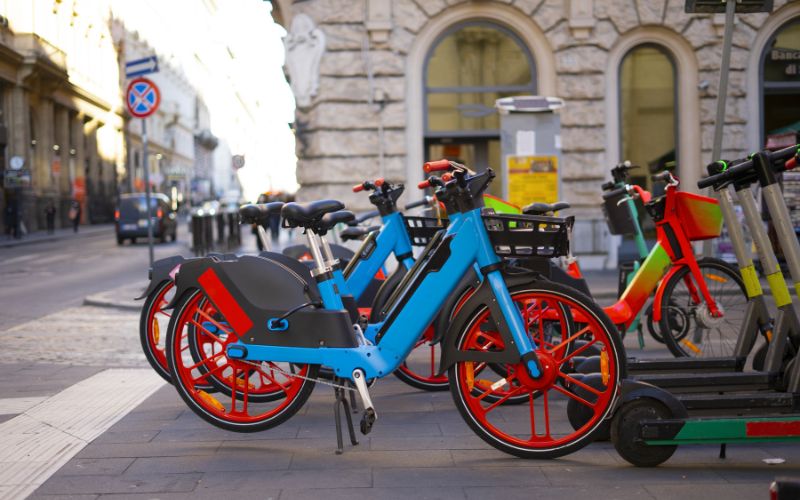
Electric bike laws in Tennessee have carefully defined e-bike classifications based on motor assistance, speed capabilities, and the rider’s age. These classifications are crucial in determining where e-bikes can be operated and who can ride them.
Class 1 E-Bikes: The Pedal-Assisted Partners
Class 1 e-bikes are designed to provide motor assistance only when the rider is actively pedaling. The motor assistance kicks in as the rider starts pedaling and ceases when the bike reaches a speed of 20 miles per hour. Essentially, Class 1 e-bikes offer a boost to the rider’s pedaling efforts, making uphill climbs and longer journeys more manageable.
These e-bikes are granted the privilege to navigate various areas, including multi-use paths, bike lanes, and public roads. Class 1 e-bikes share the same access rights as traditional bicycles, promoting a harmonious coexistence with other road users.
Class 2 E-Bikes: The Throttle Commanders
Class 2 e-bikes have a throttle that allows the rider to control the motor assistance without pedaling. This means the rider can achieve movement purely through motor power without manual pedaling effort. Like Class 1, the motor assistance on Class 2 e-bikes ceases when the speedometer hits 20 miles per hour.
Tennessee’s law extends the same privileges to Class 2 e-bikes as to Class 1. These e-bikes are permitted on multi-use paths, bike lanes, and public roads, fostering accessibility and convenience for riders.
Class 3 E-Bikes: The Speed-Enhanced Cyclists
Class 3 e-bikes cater to riders who seek a higher speed potential. These e-bikes provide motor assistance while the rider pedals, reaching speeds of up to 28 miles per hour. However, there’s a stipulation: riders of Class 3 e-bikes must be at least 16 years old. This age requirement acknowledges the increased speed capabilities and ensures a certain level of maturity and responsibility.
Class 3 e-bikes are subject to slightly different regulations regarding where they can operate. They are allowed on roads with speed limits of 35 miles per hour or less, in addition to bike lanes and multi-use paths. This classification strikes a balance between speed and safety, allowing riders to traverse various terrains with confidence.
Where to Ride Your E-Bike in Tennessee

Tennessee’s e-bike laws are designed to integrate e-bikes into existing transportation infrastructure, allowing riders to explore various terrains. Understanding these designated areas helps e-bike enthusiasts make informed choices about where to ride:
Roads and Streets: Sharing the Path
One of the primary locations where e-bike riders can venture is on roads and streets. Just like traditional bicycles, e-bikes are generally allowed on these roadways. Class 1 and Class 2 e-bikes require pedal-assisted or throttle-assisted operation and can comfortably share the road with motor vehicles while adhering to speed limits.
For Class 3 e-bike riders, the allowable road selection is slightly restricted. These e-bikes are limited to roads with speed limits of 35 miles per hour or less. This ensures the safety of both e-bike riders and motorists, contributing to a smoother traffic flow.
Bike Lanes: A Dedicated Space
Tennessee law extends a warm welcome to e-bikes in bike lanes. Whether riding a Class 1, Class 2, or Class 3 e-bike, you can confidently utilize bike lanes to traverse city streets and neighborhoods. This inclusion facilitates e-bike riders’ commutes and promotes an organized and efficient traffic flow.
Multi-Use Paths: Embracing Eco-Friendly Transit
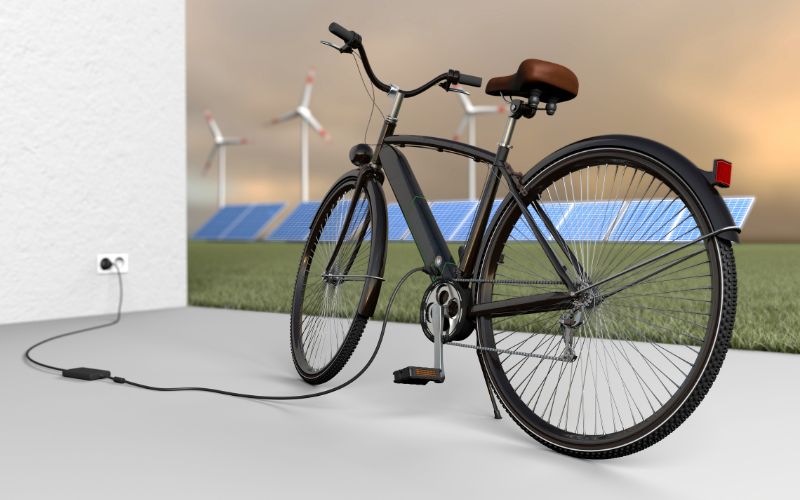
Multi-use paths, designed for pedestrians and cyclists, provide an ideal space for e-bike riders to navigate without the interference of motor vehicles. Class 1 and Class 2 e-bikes are permitted on these paths, enabling riders to share the route with walkers and joggers seamlessly.
Multi-use paths serve as a testament to Tennessee’s commitment to eco-friendly transportation, promoting sustainable mobility while ensuring the safety of all users.
The Implications of Location for E-Bike Riders
Understanding where you can ride your e-bike is not only essential for adherence to the law but also contributes to a positive riding experience:
- Safety: Navigating e-bikes within the designated locations reduces the risk of accidents and conflicts with other road users. Each site has specific regulations prioritizing the safety of riders, pedestrians, and motorists.
- Convenience: By knowing where e-bikes are permitted, riders can plan their routes more effectively. This ensures a seamless journey without the worry of encountering prohibited areas.
- Promoting Sustainable Transportation: Including e-bikes on roads, bike lanes, and multi-use paths encourages eco-friendly transportation options. This alignment with sustainable initiatives contributes to a greener and healthier environment.
Riding within the Limits: E-Bike Regulations

While e-bike laws grant considerable freedom, adherence to the following regulations is essential:
Age Requirements
For Class 1 and Class 2 e-bikes, no specific age restrictions apply beyond those already established for traditional bicycles. However, Class 3 e-bikes require riders to be at least 16 due to their higher speed potential.
Respect Speed Limits
Staying within the designated speed limits is crucial for e-bike riders. Class 1 and Class 2 e-bikes are limited to 20 miles per hour, while Class 3 e-bikes can reach 28 miles per hour. Adhering to these limits ensures a safe environment for all road users.
Local Variations
While Tennessee’s state laws provide a comprehensive framework, it’s important to recognize that local regulations can add nuances to e-bike usage. As you explore different areas within the state, take a moment to familiarize yourself with any region-specific rules that might apply.
Conclusion
Electric bike laws in Tennessee balance promoting sustainable transportation and ensuring safety for all road users. By understanding the classifications, permissible locations, regulations, and frequently asked questions, e-bike enthusiasts can confidently explore the state’s landscapes, urban environments, and recreational pathways. With responsible riding, e-bikes can play a pivotal role in reshaping transportation in Tennessee.
Related Articles
FAQs
Q: Can I use my Class 3 e-bike on any road?
No, Class 3 e-bikes are restricted to roads with speed limits of 35 miles per hour or less. They are also permitted on bike lanes and multi-use paths to ensure safe riding conditions.
Q: Do I need a special license to operate an e-bike in Tennessee?
No, Electric bike laws in Tennessee do not require a special license. However, riders must follow the established regulations for each class of e-bike.
Q: Are e-bikes allowed on greenways?
Yes, Electric bike laws in Tennessee are generally permitted on greenways and multi-use paths. Nevertheless, checking local ordinances is advised, as some areas might have specific guidelines for e-bike usage.
Q: Are e-bikes allowed on hiking trails?
E-bikes might not be allowed on hiking trails unless explicitly specified. It’s advisable to check with local trail authorities before riding your e-bike on hiking trails.
Q: Are e-bikes allowed on sidewalks?
Tennessee law generally treats e-bikes like traditional bicycles. As a result, riding e-bikes on sidewalks might be subject to local ordinances. It’s recommended to check with local authorities to determine the legality of riding e-bikes on sidewalks in specific areas.
