
Comfortable Bike Saddle: Factors to Consider
Cycling is not only a popular form of exercise and transportation but also a beloved recreational activity for millions around the globe. However, for many cyclists, the joy of riding can be overshadowed by discomfort, particularly in one crucial area: the saddle. A comfortable bike saddle is essential for enjoying long rides without experiencing pain or numbness. In this guide, we’ll delve into the factors contributing to saddle comfort and provide tips for finding the perfect fit.
Understanding the Importance of Comfort
Hopping on a bike with an uncomfortable saddle can quickly turn an enjoyable ride into a painful ordeal. The saddle is the primary point of contact between the rider and the bike, making its comfort a top priority for cyclists of all levels. A poorly fitting saddle can cause various issues, including chafing, saddle sores, numbness, and even more serious conditions like nerve damage. Therefore, investing in a saddle that suits your anatomy and riding style is crucial for short commutes and epic cycling adventures.
Factors Affecting Saddle Comfort

Finding the right bike saddle can make all the difference in your cycling experience. Several key factors contribute to saddle comfort, ranging from shape and width to padding and material. Understanding these factors is essential for selecting a saddle that suits your anatomy and riding style.
Shape and Width
The shape and width of a saddle play a significant role in determining its comfort level. Saddles come in various shapes, including flat, curved, and semi-curved, each catering to different riding positions and anatomies. Additionally, the width of the saddle should match the width of your sit bones to provide adequate support and prevent pressure points.
Padding and Material
While it may seem intuitive to opt for a heavily padded saddle for maximum comfort, excessive padding can increase pressure and discomfort. Instead, look for a saddle with moderate padding that provides sufficient cushioning without sacrificing support. Materials such as leather, synthetic leather, and synthetic materials like foam can all offer different levels of comfort and durability.
Cutouts and Relief Channels
Modern saddles feature cutouts or relief channels in the center to alleviate pressure on sensitive areas, such as the perineum and soft tissue. These design elements help maintain blood flow and reduce the risk of numbness and discomfort, especially on longer rides.
Flexibility and Suspension
Some saddles incorporate flexible materials or suspension systems to absorb shock and vibrations from the road or trail. While these features can enhance comfort, they may add weight and complexity to the saddle. Consider your riding preferences and terrain to determine whether a more flexible or suspended saddle suits you.
Finding Your Perfect Saddle
With the many saddle options available, finding the perfect fit can feel like searching for a needle in a haystack. However, by considering the following factors, you can narrow down your choices and increase your chances of finding a saddle that suits your needs:
Measure Your Sit Bone Width
Before purchasing a new saddle, knowing your sit bone width is essential. Many bike shops offer sit bone measurement services using specialized tools or DIY methods involving cardboard and a hard surface. Knowing your sit bone width will help you choose a saddle with the appropriate width to support your anatomy.
Test Ride Different Saddles
Most bike shops allow customers to test ride saddles before making a purchase. Take advantage of this opportunity to try various saddle shapes, widths, and padding levels to see what feels most comfortable. Remember that saddle comfort can be subjective, so trust your sensations rather than relying solely on recommendations.
Consider Your Riding Style
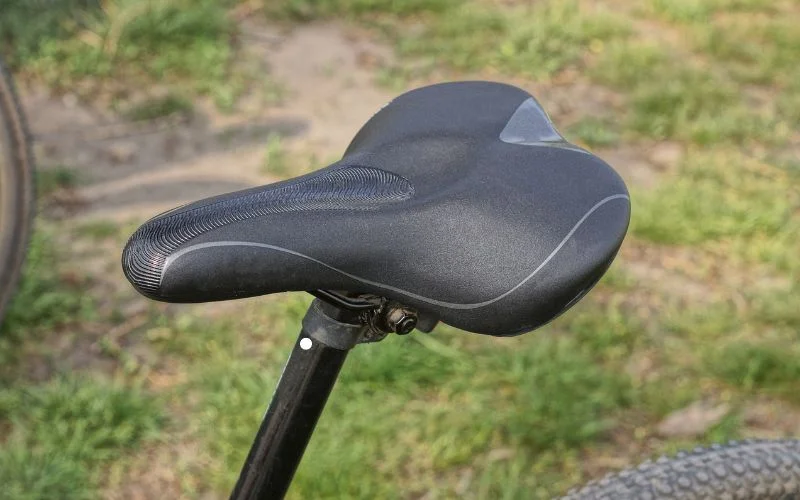
Your riding style and preferences should also inform your saddle choice. For example, if you’re an endurance cyclist who spends hours in the saddle, prioritizing comfort and pressure relief is crucial. On the other hand, if you’re a competitive racer focused on speed and efficiency, you may prioritize a lightweight, performance-oriented saddle.
Seek Professional Advice
If you’re struggling to find the right saddle, don’t hesitate to seek advice from experienced cyclists or bike-fitting professionals. They can offer valuable insights based on their expertise and help you navigate the vast array of saddle options available.
FAQs
1. How do I know if a saddle is the right width for me?
To determine the correct saddle width, measure your sit bones and choose a saddle that matches or slightly exceeds this measurement. Many bike shops offer sit-bone measurement services to help you find the perfect fit.
2. Are heavily padded saddles more comfortable?
While heavily padded saddles may seem more comfortable initially, excessive padding can increase pressure and discomfort over time. Look for a saddle with moderate padding that provides adequate cushioning without sacrificing support.
3. Do I need a saddle with a cutout or relief channel?
Cutouts and relief channels can help alleviate pressure in sensitive areas and improve blood flow, especially during longer rides. However, whether you need a saddle with these features depends on your anatomy and personal preference. Experiment with different saddle designs to see what works best for you.
