
Pump Tracks: Biking Fun for All Skill Levels
A pump track, fun for everyone, is a specialized riding trail that enhances biking skills. Made with a series of berms and rollers, they allow riders to use their body movement to propel forward instead of pedaling. These tracks can be found in different locations, like public parks or particular bike facilities, offering riders a new challenge. Get ready to experience biking innovatively and enjoyably!
A pump track is a purpose-built cycling track designed for riders to generate momentum through up-and-down body movements rather than pedaling. It typically consists of rollers and steeply bermed corners, providing a flowy riding experience for various skill levels.
Getting to Know Pump Tracks
A landscape of smooth dirt mounds and curved slopes designed specifically for cyclists. Pump tracks are the ultimate playground for cycling enthusiasts of all levels, from beginners to seasoned riders. They’re not just for BMX or they’re bikers; skateboarders and even wheelchair users can find enjoyment on a pump track. What makes pump tracks distinct is that riders don’t rely solely on pedalingdon’tuild speed. Instead, they use ‘pumping,’ which generates momentum by rhythmically shifting their body weight up and down as they ride through the track.
Here’s the interesting part:‘ som ‘pump’ defines how you ‘move on these tracks. You ‘pump’ your body up and down, like riding waves in an ocean, capitalizing on each undulation to propel yourself forward without pedaling. It’s a full-body experience that mimics surfing or snowboarding, creating a rhythmic flow that adds an extra layer of excitement to cycling.
Rolling with Rhythm

The rollers built along the track are a key feature that defines pump tracks. These rollers are strategically placed to keep the rider moving using the up-and-down movements mentioned earlier. As riders approach each roller, they shift their weight to gain speed while maintaining control. This requires stamina and focus and fosters a sense of harmony with the track itself.
The Art of Cornering
Apart from rollers, pump tracks boast steeply bermed corners that demand technical finesse from riders. These banked turns allow riders to maintain speed as they negotiate sharp bends. This means using precise body positioning and handling techniques to keep their momentum around each corner without losing control.
The art of cornering involves leaning into the turn at just the right angle, almost like feeling the gravitational pull that keeps you grounded while you navigate each bend. It’s about finding that sweetIt’st where centrifugal force works in your favor, making you feel almost weightless as you dance through each curve.
Think about it this way: riding a pump track is akin to navigating a thrilling obstacle course, where you’re not just riding straight; you’re propelled into effortless motion with every turn and bump.
Perks of Pump Tracks for Cyclists
Pump tracks are more than just a fun place to ride. They offer a range of benefits, making them an attractive option for cyclists of all levels. Let’s explore the perks of enjoying these purpose-built tracks.
Skill Improvement
Pump tracks are like a natural gym for cyclists. Riding on these tracks helps improve bike handling, balance, and overall riding skills. As riders navigate twists, turns, and obstacles, they engage in a low-impact, full-body workout that enhances fitness and builds stamina. Whether you’re into traditional bikinis or prefer the convenience of an electric bike, pump tracks provide an excellent platform for honing your riding abilities.
The nature of pump track riding requires constant body movement and adjustment to navigate the track efficiently. This repetitive motion helps strengthen core muscles and improves coordination. The continuous maneuvering over rollers and berms contributes to better bike control, translating into enhanced confidence and skill when facing similar challenges on other terrains. It’s natural yet effective. It enhances one’s abilities as a cyclist, fostering a deeper connection with the sport.
Accessibility
The inclusive nature of pump tracks is perhaps one of their most compelling characteristics. These tracks cater to riders of varying skill levels and ages, making them a welcoming space for beginners, experienced riders, and even individuals with physical disabilities to enjoy non-competitive biking. Whether you’re an amateur looking to the ropes or a seasoned cyclist seeking a thrilling ride, there’s something for everyonthere’spump track.
Moreover, the versatility of pump tracks extends beyond skill level, providing access to individuals with diverse needs, including adaptive athletes. The design and construction of these tracks are particularly accommodating, offering wheelchair users and individuals with mobility challenges the opportunity to experience the joy of cycling in a safe and supportive environment. This inclusivity fosters a sense of unity within cycling communities while encouraging individuals from all walks of life to embrace the sport.
Community Building
Pump tracks serve as epicenters of local biking communities, fostering camaraderie and providing a safe environment for riders to socialize and share their passion for cycling. Beyond being a platform for honing skills, these tracks enable cyclists to connect with like-minded individuals, share tips and techniques, and motivate each other in their cycling journey.
The communal aspect of pump tracks creates opportunities for mentorship and mutual encouragement among cyclists. Seasoned riders often offer guidance and support to newcomers, creating an environment where learning and growth go hand in hand with fun and enjoyment. The shared experience of conquering challenging sections and perfecting techniques forms bonds extending beyond the track, strengthening the fabric of local biking communities.
In essence, pump tracks provide an avenue for physical exercise and serve as hubs for fostering personal development, inclusivity, and community spirit within the cycling world.
Given the multifaceted nature of pump tracks and their impact on cyclists across skill levels, it’s essential to delve deep into the various types of pump tracks available. Now, let’s focus on the exciting variations in pump track construction.
Varieties in Pump Track Construction
Pump tracks come in diverse designs and materials, each encapsulating its unique style and functionality. Dirt tracks are often considered classics, offering a natural feel that appeals to riders seeking an authentic off-road experience. On the other hand, concrete and asphalt tracks exhibit longevity and lower maintenance requirements, catering to those favoring durability and ease of upkeep.
Regarding dirt pump tracks, their organic composition provides a genuine connection with the terrain, offering an undiluted taste of unadulterated mountain biking. These tracks are also acclaimed for being relatively simple to construct, making them accessible to a wider range of communities aiming to diversify their biking amenities. Moreover, dirt pump tracks are malleable – allowing for modifications and expansions over time to keep the riding experience fresh and exciting.
Conversely, concrete and asphalt pump tracks present a more urbanized appearance and texture. The robust nature of these materials ensures longevity, withstanding heavy usage and weather conditions. Maintenance demands are notably reduced compared to dirt tracks, requiring minimal attention to preserve their integrity.
For instance, concrete or asphalt pump tracks are valuable alternatives for sustainable recreational facilities in suburban areas or places lacking natural dirt resources. Conversely, regions that pride themselves on retaining an authentic outdoor ambiance may use traditional dirt tracks to complement their environment.
It’s worth highlighting that the Distinct characteristics of each material cater to diverse rider preferences. Enthusiasts coveting the earthy allure of off-road terrains might find solace in dirt pump tracks’ ability to mimic wild tracks’ settings, delivering a refreshing venture through rough yet captivating surfaces. Conversely, riders prioritizing consistent traction and uniformity may find gratification in the predictable firmness and stability offered by concrete or asphalt pump tracks.
Responsible Pump Track Ownership
Owning a pump track is an exciting endeavor, but it also comes with a significant responsibility to ensure the safety and satisfaction of all who use it. Whether it’s private or public, maintaining a safe environment is crucial. Let’s explore the key components responsible for pump track ownership.
Regular Inspections and Maintenance
Frequent and thorough inspections of the track surface are critical to identifying hazards such as cracks, uneven surfaces, or debris. Regular maintenance will help maintain the optimal condition of the track surface, ensuring a smooth and enjoyable riding experience for all users. It’s akin to inspecting your Vehicle before a ride to ensure it’s in top shape by checking things like tire pressure and brakes.
Safety Signage and Supervision
Installing clear and visible signage that outlines safety rules and guidelines is essential to inform riders about track protocols. Additionally, when the track is in use, having designated supervisors can help ensure safety measures are followed, especially for younger or less experienced riders.
Adhering to Local Regulations
Compliance with local regulations and obtaining permits for public pump tracks is vital for responsible ownership. This may involve acquiring liability insurance, following specific construction and maintenance guidelines outlined by local authorities, and adhering to any environmental impact assessments if required.
Community Engagement
Engaging with the community and seeking rider input can foster a sense of ownership and responsibility among users. Encouraging feedback on the track conditions, safety measures, and overall user experience can contribute to continuous improvement and a strong sense of community ownership.
Long-Term Environmental Impact
Responsible pump track ownership also involves considering the long-term impact on the surrounding environment. Implementing sustainable construction, maintenance, and landscaping practices can help minimize ecological footprints while preserving natural habitats.
By maintaining these responsible practices, pump track owners can ensure a safe, enjoyable, and sustainable recreational space for all riders while upholding the highest standards of ownership ethics.
Embracing the responsibility of pump track ownership contributes to a safer riding environment. It fosters a community-centric approach that enhances the overall track experience for riders of all skill levels.
Riders and Pump Tracks: A Match for All
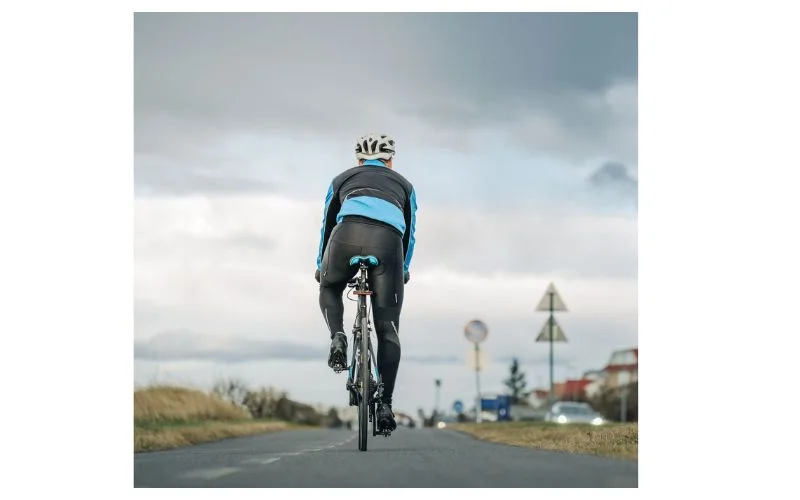
Pump tracks are more than just a destination for skilled bikers seeking thrills; they are inclusive environments that offer something for everyone. These tracks represent a safe and controlled setting for novice riders to develop fundamental bike handling abilities. Newcomers can start by simply getting a feel for the track, riding gently over the rollers, and gradually becoming accustomed to the rhythm and flow of the course. Through this process, confidence is built, fears are conquered, and muscle memory is developed.
The gradual progression offered by pump tracks provides a sense of accomplishment for beginners as they conquer each section, building their skills and confidence. They soon find themselves effortlessly navigating the course with consistent practice, showcasing improved bike handling and control.
Novice Riders
For beginners, learning how to ride on a pump track not only serves as an opportunity to improve their balance and agility but also fosters a sense of community within the biking world. The supportive atmosphere at these locations encourages novices to connect with other riders, share experiences, and receive valuable guidance—an essential aspect for anyone entering a new sport or hobby.
For more experienced riders, pump tracks offer an engaging ground to fine-tune advanced techniques and experiment with various riding styles. Seasoned bikers can use the continuous loops and bermed corners of pump tracks to maintain their fitness level and agility while enjoying an invigorating workout.
Experienced Riders
By frequently practicing on pump tracks, experienced riders heighten their technical abilities. This allows them to push their riding limits while experimenting with new tricks and maneuvers in a forgiving environment. Moreover, they benefit from the constant challenge that pump tracks provide, ensuring their skills evolve.
Given the inclusive nature of pump tracks, they create thriving biking communities where individuals of all ages and abilities can join together in celebrating their shared love for cycling. This inclusivity fosters an environment where riders support one another, learn from each other’s experiences, and share the joy of improving their biking skills.
Inclusive Nature
From young children taking their first spins around the track to seasoned adults relishing in the technical aspects of riding, pump tracks embrace diversity. They become places where all riders are valued equally for their contributions—whether those involve teaching a new skill or sharing the vitality of navigating these exhilarating courses.
Pump tracks truly stand as a testament to how cycling transcends barriers—welcoming riders of varying skill levels and fostering a vibrant community where everyone feels at home.
As we shift gears from the inclusive world of pump tracks, let’s explore the competitive realm of Pump Track Championships. In this thrilling arena, top-notch riders go head-to-head in exhilarating displays of skill and tenacity.
Competing with the Best at Pump Track Championships
Pump track championships represent the pinnacle of skill and adrenaline in biking. They bring together elite riders from around the globe, setting the stage for an electrifying display of talent, determination, and sportsmanship. These events aren’t just about winning; they aren’t about celebrating the spirit of healthy competition and fostering a sense of camaraderie within the biking community.
This is where riders go head-to-head on challenging tracks, showcasing their technique, precision, and speed mastery. Even electric bike enthusiasts are joining in on the action, proving they have what it takes to compete at the highest level.
In the 2022 Red Bull UCI Pump Track World Championships held at Santa Fe Bike Park in Santiago, remarkable athletes like Christa von Niederhäusern made history by not only being on the podium for every World Final since 2018 but also becoming a double World Champion. This global platform not only celebrates individual accomplishments but also unites riders worldwide who share a passion for this exhilarating sport.
These championships embody respect, sportsmanship, and perseverance while promoting connections and learning from fellow riders. Sharing tips, techniques, and experiences contributes to an environment where everyone can continue to grow and improve.
