
Mastering Washington’s E-Bike Regulations for Confident Cruising
In the ever-evolving transportation landscape, electric bikes, or e-bikes, have emerged as a dynamic solution, seamlessly combining the benefits of traditional cycling with the innovation of electric propulsion. E-bikes offer a sustainable and eco-friendly alternative for commuting, recreation, and exploring the scenic beauty of Washington state. As these sleek machines become an increasingly common sight on the roads and trails, it’s crucial to delve into the specifics of Washington e-bike laws and regulations. This article delves deep into the intricacies of mastering Washington e-bike laws and rules, empowering riders to cruise confidently while navigating the legal terrain. From understanding class distinctions to embracing safety guidelines, let’s embark on a journey to explore how e-bikes are not just transforming the way we travel but also reshaping the legal framework that governs our ride.
Understanding Electric Bike Classification
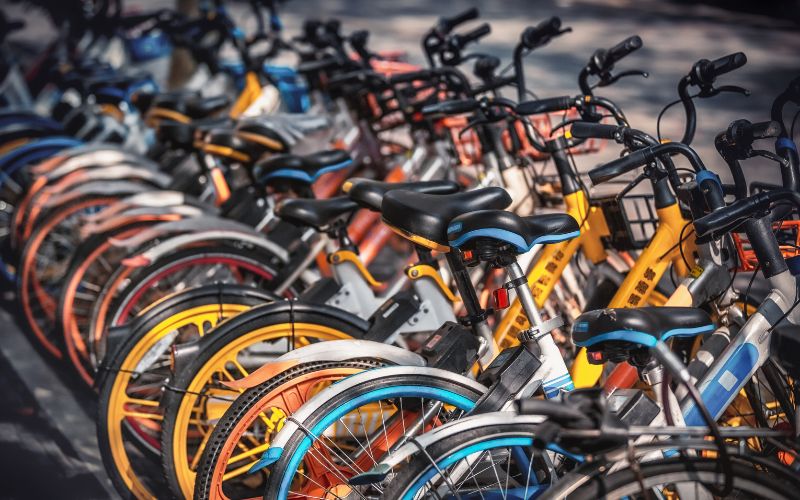
Electric bikes, also known as e-bikes, have transformed how we think about commuting and recreation. These innovative modes of transportation blend the benefits of traditional cycling with the convenience of electric assistance. Washington e-bike laws are classified into three distinct categories, each with its own regulations. Let’s explore these classifications in detail:
Class 1 Electric Bikes
Class 1 e-bikes are designed to provide pedal assistance up to a maximum speed of 20 miles per hour. As you pedal, the electric motor lends an extra boost to your efforts, making uphill climbs and longer rides more manageable. Once you reach the speed of 20 mph or stop pedaling, the motor disengages. Class 1 e-bikes are allowed on various cycling infrastructure such as bike lanes, paths, and roads where traditional bicycles are permitted.
These e-bikes are ideal for riders who want a more leisurely experience, assistance with inclines, and the ability to travel longer distances without overexertion. Class 1 e-bikes are often favored by commuters and recreational riders seeking a balanced blend of exercise and convenience.
Class 2 Electric Bikes
Class 2 e-bikes offer a unique feature: throttle-assistance. This means you can engage the electric motor without pedaling, propelling the bike forward to the same maximum speed of 20 miles per hour. The bottle provides extra convenience, part constantly when you need a burst of speed or want to maintain a consistent pace without continuous pedaling.
Just like Class 1 e-bikes, Class 2 e-bikes are permitted on bike lanes, paths, and roads where regular bicycles are allowed. However, it’s important to use caution and respect the rights of pedestrians and other cyclists, especially when using the throttle function in areas with heavy foot traffic.
Class 2 Electric Bikes.
Class 2 e-bikes offer a unique feature: throttle-based assistance. This means you can engage the electric motor without pedaling, propelling the bike forward to the same maximum speed of 20 miles per hour. The throttle control provides extra convenience, particularly when you need a quick burst of speed or want to maintain a consistent pace without continuous pedaling.
Just like Class 1 e-bikes, Class 2 e-bikes are permitted on bike lanes, paths, and roads where regular bicycles are allowed. However, it’s important to use caution and respect the rights of pedestrians and other cyclists, especially when using the throttle function in areas with heavy foot traffic.
Age and Licensing Requirements

Electric bikes have ushered in a new era of accessible and sustainable transportation, allowing people of all ages to enjoy cycling with an extra power boost. Suppose you’re considering hopping on an electric bike in Washington e-bike laws state. In that case, it’s important to understand the age and licensing requirements to ensure a safe and legal riding experience.
Age Requirements
One of the remarkable aspects of electric bikes in Washington’s e-bike laws is that they are designed to be inclusive, catering to riders of varying ages. Unlike some motorized vehicles, e-bikes offer a versatile and eco-friendly option for transportation that isn’t restricted-bikes’. Benefits old riders can take advantage of the benefits that e-bikes provide.
Whether you’re a teenager looking for a convenient way to get to school or an adult seeking an efficient mode of commuting, e-bikes offer a solution that doesn’t discriminate based on age. This inclusivity encourages intergenerational bonding and promotes healthier lifestyles by making cycling accessible to everyone.
H3: Licensing Requirements
In Washington e-bike laws, electric bike operating requires no specialized driver’s license, endorsement, or permit. This leniency applies to all three classes of e-bikes, further promoting their accessibility and encouraging a broader adoption of eco-friendly transportation.
The absence of licensing requirements simplifies the process for individuals who may not have a driver’s license or those who wish to avoid the administrative hassle. It also aligns with the eco-conscious nature of electric bikes, designed to reduce carbon emissions and road congestion.
However, while you don’t need a driver’s license, it’s important to recognize that the rules of the road still apply. E-bike riders must adhere to traffic laws, signals, and speed limits, ensuring a safe coexistence with other road users.
Promoting Safety and Responsibility

The lack of strict licensing requirements for e-bikes doesn’t diminish the importance of safety and responsible riding. It emphasizes the role of riders in ensuring their safety and the safety of others. Here are a few essential safety tips for electric bike riders in Washington:
- Wear a Helmet: While not mandated by law for riders aged 16 and older, wearing a helmet significantly reduces the risk of head injuries. It’s a simple yet effective step to ensure your safety.
- Respect Traffic Rules: E-bike riders are considered vehicle operators and must follow traffic rules, including stopping at stop signs and red lights, yielding to pedestrians, and signaling turns.
- Be Visible: Ensure your e-bike has proper lighting, reflectors, and a horn or bell to make yourself visible to other road users, especially in low-light conditions.
- Stay Alert: Pay attention to your surroundings, anticipate the actions of other road users, and avoid distractions like using your phone while riding.
E-bike Use on Trails and Paths

Washington e-bike laws state is renowned for its breathtaking landscapes, and many residents and visitors are eager to explore its natural beauty on electric bikes. However, understanding where e-bikes are allowed on trails and paths is essential to ensure responsible and compliant riding. Let’s delve into the regulations and guidelines for e-bike use on tracks and routes in Washington.
State Parks
Washington e-bike laws boast diverse state parks that offer opportunities for outdoor enthusiasts to connect with nature. Regarding e-bike use in state parks, the regulations can vary from park to park. Most Washington e-bike laws State Parks allow Class 1 and 2 e-bikes on their trails and paths.
It’s important to note that while these classes of e-bikes are generally permitted, it’s advisable to check the specific regulations of the state park you plan to visit. Some parks might have designated e-bike routes, while others might limit e-bike access in certain areas to preserve the park’s natural habitat and minimize any potential impact on other visitors.
National Parks
National Parks in Washington, like Mount Rainier and Olympic National Parks, are beloved destinations for nature enthusiasts. However, e-bike regulations in these parks are determined by individual park policies and the National Park Service’s guidelines.
In 2019, the U.S. Department of the Interior announced a policy allowing Class 1 e-bikes to be treated similarly to traditional bicycles in national parks. This means that Class 1 e-bikes are generally permitted on trails and paths where regular bicycles are allowed. However, it’s important to remember that each national park can establish its e-bike regulations based on visitor safety and environmental impact.
Local Regulations
While state and national park regulations provide overarching guidelines for e-bike use, local municipalities and jurisdictions can also implement their own rules. Some cities or counties might have specific ordinances that dictate where e-bikes are allowed, particularly in urban areas or multi-use paths.
Before embarking on a trail or path ride with your e-bike, it’s wise to do some research and check the official websites of the park or trail system. Look for any updates or announcements regarding e-bike regulations, and contact park authorities if you have any questions or concerns.
Responsible Trail Riding

Responsible riding is paramount whether you’re exploring a state park, a national park, or a local trail. Here are a few tips to ensure a positive e-bike experience while respecting the environment and fellow trail users:
- Follow Designated Routes: Stick to trails and paths where e-bike use is permitted. Avoid venturing into areas designated for pedestrians only.
- Yield to Others: Always yield the right-of-way to pedestrians and other trail users. Slow down or stop when approaching others from behind, and use a bell or friendly voice to announce your presence.
- Stay Informed: Stay updated on e-bike regulations in your chosen destination. Rules can change, so having the most current information is crucial before you ride.
- Leave No Trace: Adhere to Leave No Trace principles by carrying out all trash and minimizing environmental impact.
Bike Lane Courtesy
E-bike riders share bike lanes, paths, and roads with traditional cyclists, pedestrians, and sometimes vehicles. Practicing courteous behavior ensures a harmonious coexistence among all road users. Here are some etiquette tips to keep in mind:
- Reduce Speed in Crowded Areas: When riding in areas with pedestrians or heavy bike traffic, slow down to a safe speed. Yield the right-of-way to pedestrians and give them plenty of space.
- Announce Your Presence: Use a bell or your voice to signal your approach when passing other cyclists or pedestrians. This helps prevent surprises and promotes a safer environment.
- Stay to the Right: Keep to the right side of the road or path, allowing faster cyclists to pass on your left. This minimizes congestion and enhances overall safety.
Visibility and Lighting
Being visible to other road users is essential, especially during low-light conditions or adverse weather. Outfit your e-bike with proper lighting, including front and rear lights, reflectors, and reflective gear. This enhances your visibility to drivers, pedestrians, and cyclists, reducing the risk of accidents.
Using lights at night and wearing reflective clothing during the day makes you easily recognizable from a distance, allowing others to react appropriately when sharing the road with you.
Conclusion
Navigating the realm of Washington’s e-bike laws requires a blend of awareness, responsibility, and respect. As you venture into the world of electric bikes, remember the unique classifications that categorize e-bikes into Classes 1, 2, and 3, each with its own rules to ensure a safe and harmonious road experience. Remember that age is no barrier to enjoying e-bikes; they offer an inclusive mode of transportation for riders of all generations.
Related Articles
FAQs
What are the different classes of e-bikes in Washington?
Washington state classifies e-bikes into three classes. Class 1 e-bikes provide pedal assistance up to 20 mph, while Class 2 e-bikes have a throttle that can propel the bike up to the same speed. Class 3 e-bikes offer pedal assist up to 28 mph.
Can I ride my e-bike in Washington State Parks?
In most cases, Class 1 and Class 2 e-bikes are allowed on trails and paths in Washington State Parks. However, regulations can vary from park to park, so you should check with the park you plan to visit.
Are e-bikes allowed in Washington’s National Parks?
The policy on e-bike use varies by National Park. Class 1 e-bikes are generally treated similarly to traditional bicycles in National Parks, but it’s important to check with each park’s guidelines.
Can I ride my Class 3 e-bike on a bike path?
Class 3 e-bikes are typically prohibited on bike paths or lanes in Washington unless specific local regulations permit it. Riders should check local ordinances to ensure compliance.
Are helmets mandatory for riding e-bikes in Washington?
Helmets are not required by law for riders aged 16 and older. However, it’s strongly recommended that all e-bike riders, regardless of age, wear helmets to reduce the risk of head injuries.
