
Demystifying Indiana Electric Bike Laws: A Guide to Safe Riding
Electric bikes, also known as e-bikes, have gained immense popularity in recent years as a convenient and eco-friendly mode of transportation. These bikes come equipped with electric motors that assist riders in pedaling, making it easier to cover longer distances and conquer challenging terrains. However, when it comes to riding e-bikes, it’s important to know the specific regulations and laws governing their use in different states. In this article, we will delve into the electric bike laws in Indiana, providing a comprehensive guide to understanding the classifications, operational rules, equipment requirements, and more. Whether you’re a seasoned e-bike enthusiast or new to electric cycling, clearly understanding Indiana’s e-bike laws will ensure a safe, enjoyable, and legally compliant riding experience.
Types of Electric Bikes
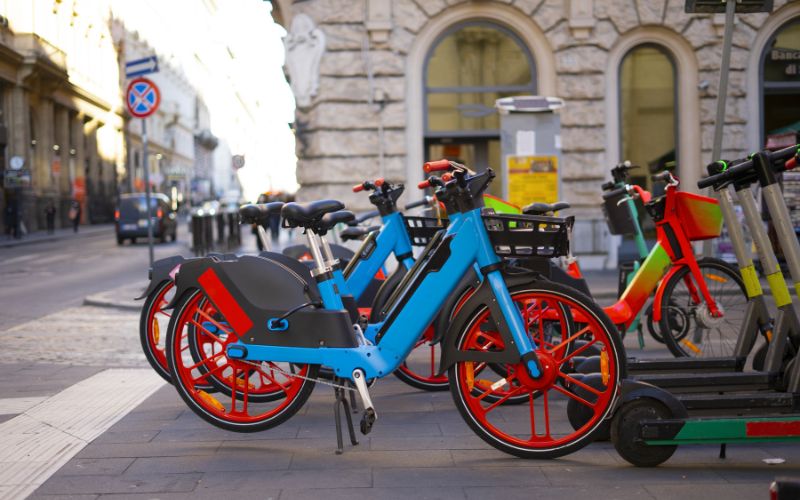
Electric bikes, often called e-bikes, have revolutionized how we approach cycling. With the integration of electric motors, these bikes offer various levels of assistance, making cycling more accessible and enjoyable for a wider range of individuals. There are three main classes of e-bikes, each with distinct features and purposes:
Class 1 E-bikes
Class 1 e-bikes are designed to assist riders as they pedal. These bikes come equipped with electric motors that activate when the rider pedals, boosting their efforts. The motor assistance automatically stops when the cycle reaches a speed of 20 miles per hour (mph), ensuring the rider maintains control over the speed.
Class 1 e-bikes are a popular choice for urban commuting and leisurely rides. They offer a smooth and natural riding experience, making it easier to conquer hills and cover longer distances without overexertion.
Class 2 E-bikes
Class 2 e-bikes offer a unique feature not found in Class 1 models – the ability to be propelled solely by the electric motor without pedaling. Similar to Class 1 e-bikes, the motor assistance on Class 2 e-bikes also cuts off when the bike reaches a speed of 20 mph.
These e-bikes are often preferred by riders who might have mobility challenges or want the convenience of cruising without pedaling. They are well-suited for short neighborhood trips or running errands in areas with moderate terrain.
Class 3 E-bikes
Class 3 e-bikes are designed for those who seek a faster and more exhilarating ride. Like Class 1 e-bikes, they provide motor assistance only when the rider pedals, but the key distinction is that the aid can propel the bike up to 28 mph. This higher speed potential allows riders to cover longer distances in less time.
Class 3 e-bikes are commonly chosen by commuters who want to reach their destinations quickly or by fitness enthusiasts looking for an extra boost during their workouts. Due to their higher speed capabilities, many Class 3 e-bikes have additional safety features to ensure rider security.
Understanding the differences between these three classes of e-bikes allows riders to choose the model that aligns with their preferences and intended use. Whether you’re seeking a leisurely ride, a convenient mode of transportation, or an adrenaline-fueled journey, an electric bike class is suited for you. Remember to adhere to local regulations and safety guidelines while enjoying your e-bike adventures.
E-bike Equipment Requirements
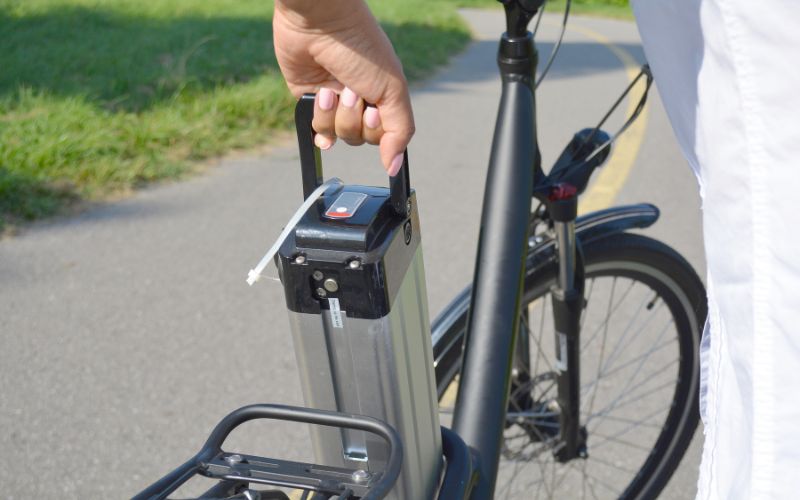
With their innovative design and motor-assisted capabilities, electric bikes offer a unique blend of traditional cycling and modern technology. To ensure the safety of riders and those around them, e-bikes are subject to specific equipment requirements that contribute to their overall functionality and visibility. Whether you’re a seasoned e-bike enthusiast or new to electric cycling, understanding these equipment requirements is essential before hitting the road.
Lights and Reflectors
One of the fundamental equipment requirements for e-bikes is the presence of lights and reflectors. These components enhance the bike’s visibility, especially during low-light or nighttime conditions. According to Indiana law, e-bikes must be equipped with:
- Front White Light: A front white light visible from at least 500 feet away. This light ensures that the e-bike is easily spotted by pedestrians, motorists, and other cyclists, reducing the risk of collisions.
- Rear Red Reflector: A rear red reflector visible from 100 to 600 feet. The glass alerts vehicles approaching from behind, providing ample time to adjust their speed and maintain a safe distance.
Audible Signal
Another important requirement for e-bikes is the inclusion of an audible signal. This can take the form of a bell or horn, which serves to communicate with pedestrians and other cyclists. The audible signal should be loud enough to be heard from a distance of at least 100 feet. When approaching a pedestrian or another cyclist, the rider can use the bell or horn to alert them of their presence and avoid surprises.
Brakes
Effective braking is vital for maintaining control and ensuring safety while riding an e-bike. Indiana law stipulates that electric bikes must be equipped with brakes that allow the rider to come to a complete stop within a distance of 25 feet when traveling at a speed of 10 mph on dry, level, clean pavement. Adequate braking performance ensures that riders respond promptly to unexpected obstacles or hazards on the road.
Indiana riders contribute to their safety and those around them by adhering to these equipment requirements and electric bike laws. Properly functioning lights, reflectors, an audible signal, and reliable brakes enhance the e-bike’s visibility, communication capabilities, and control, resulting in a more secure and enjoyable riding experience. Before setting out on your e-bike adventure, take a moment to ensure that your bike meets these requirements, and remember that safety should always be a top priority.
Electric bikes, also known as e-bikes, have become a popular mode of transportation in Indiana, offering an eco-friendly and efficient way to get around. However, e-bike riders must know the rules and regulations governing their use to ensure a safe and legal riding experience. Here are the key rules and regulations for e-bikes in Indiana:
Operational Rules

As electric bikes (e-bikes) become a popular mode of transportation and recreation in Indiana, riders need to understand the operational rules and guidelines that ensure their safe and lawful use. E-bikes offer a convenient and eco-friendly way to travel, but abiding by these rules helps create a harmonious environment for all road users. Here are the key operational regulations to keep in mind when riding electric bikes in Indiana:
Age Restrictions
There are no specific age restrictions for Class 1 and Class 2 E-bikes. These models are treated similarly to traditional bicycles, and riders of all ages can operate them. However, for Class 3 E-bikes, riders must be at least 15 years old. It’s important to match the type of e-bike with the rider’s age and comfort level.
Helmets
While Indiana law does not mandate helmet use for Class 1 and Class 2 electric bikes laws, Indiana riders do require riders of Class 3 E-bikes to wear helmets. Regardless of the e-bike class, wearing a helmet is strongly recommended for all riders, as it significantly reduces the risk of head injuries in case of accidents.
Traffic Laws
E-bike riders in Indiana are subject to the same traffic laws as traditional bicycle riders. This means stopping at stop signs, obeying traffic signals, yielding the right of way, and following all road signs. E-bikes should be ridden in the same direction as traffic flow and not on sidewalks in business districts.
Bike Paths and Trails
In Indiana, e-bikes are generally allowed on bike paths and multi-use trails, allowing riders to explore scenic routes. However, knowing any local regulations that might restrict e-bike usage is crucial. Some courses might have speed limits or restrictions on motorized vehicles, so always check signage and adhere to any posted rules.
Bike Lanes and Roadways
E-bike riders should use designated bike lanes when available. If there is no bike lane, e-bikes should be ridden as close to the right-hand curb or edge of the roadway as practicable. When traveling slower than the traffic flow, riders should stay in the right-most lane that is safe to use.
Speed Limits
Different classes of e-bikes have specific speed limits defined by Indiana law. Class 1 and Class 2 e-bikes should not exceed 20 mph when using the motor assistance. Class 3 e-bikes can assist up to 28 mph. It’s important to keep your e-bike within these speed limits to ensure your safety and the safety of others.
Right of Way
E-bike riders must always yield the right of way to pedestrians, particularly when using shared pathways. According to electric bike laws, Indiana riders should yield to oncoming traffic when entering a roadway from a driveway, alley, or sidewalk.
Riding Responsibly

Above all, practicing responsible riding behavior is essential for the safety of both e-bike riders and other road users. This includes maintaining a safe distance from vehicles, signaling turns, using lights and reflectors in low-light conditions, and being courteous to pedestrians and other cyclists.
Following these operational rules and electric bike laws, Indiana riders can ensure a safe and enjoyable experience while navigating Indiana’s roads, trails, and bike paths. Adhering to these guidelines promotes a culture of safety and respect among all road users, enhancing the overall riding experience for everyone.
Licensing and Registration
One of the advantages of e-bikes is that they do not require a driver’s license or vehicle registration. E-bikes are treated as bicycles, and riders do not need special licenses.
By adhering to these rules and regulations, e-bike riders can enjoy a safe and legal riding experience in Indiana. It’s important to stay informed about updates to the state’s e-bike laws and prioritize safety while on the road.
Conclusion
Understanding the laws that regulate their use becomes crucial as electric bike laws in Indiana continue to gain popularity as a convenient and sustainable mode of transportation. In Indiana, e-bikes are subject to specific classifications, equipment requirements, and operational guidelines. Whether planning a leisurely ride on a bike path or using an e-bike for your daily commute, adhering to these regulations will help ensure a safe and enjoyable experience. Stay informed about any updates to Indiana’s electric bike laws, and ride responsibly.
Related Article
Mastering Washington’s E-Bike Regulations for Confident Cruising
FAQs
Are e-bikes considered bicycles in Indiana?
Yes, e-bikes are considered bicycles in Indiana. They are subject to similar rules and regulations as traditional bicycles rather than being classified as motor vehicles.
Do I need a driver’s license to ride an e-bike in Indiana?
No, you do not need a driver’s license to operate an e-bike in Indiana. E-bikes are treated as bicycles, and a driver’s license is not required to ride them.
What is the maximum speed allowed for e-bikes in Indiana?
The maximum motor-assisted speed for Class 1 and Class 2 e-bikes is 20 mph. Class 3 e-bikes can assist up to 28 mph.
4. Can I ride my e-bike on bike paths and trails?
Yes, e-bikes are generally allowed on bike paths and multi-use trails in Indiana. However, checking with local authorities or trail managers is recommended, as some ways may have specific rules or restrictions.
5. Are helmets mandatory for e-bike riders?
Helmets are not required for riders of Class 1 and Class 2 e-bikes. However, riders of Class 3 e-bikes are required to wear helmets.
