
A Comprehensive Guide to Ohio Electric Bike Laws and Exploration
Electric bikes, also known as e-bikes, have gained immense popularity as an eco-friendly and convenient mode of transportation. As the interest in e-bikes grows, it’s crucial to be well-informed about the legal regulations that govern their use. In Ohio, specific laws are in place to ensure the safe operation of electric bikes. This article aims to provide a comprehensive guide to Ohio’s electric bike laws, covering various aspects and frequently asked questions.
Introduction to Electric Bikes Laws
As the popularity of electric bikes continues to rise, Ohio has established specific regulations to ensure the safety of riders and pedestrians. These regulations define the classifications of electric bikes, their equipment requirements, and where they can be operated. Understanding these laws is essential for both e-bike enthusiasts and potential buyers.
Classification of Electric Bikes
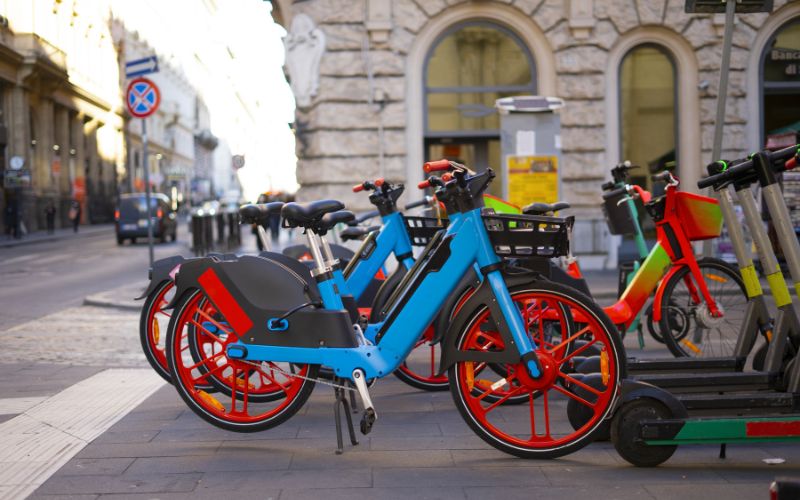
Ohio law classifies electric bikes into three main categories based on their maximum motor power and the assistance they provide:
Class 1 E-bikes
Class 1 e-bikes have a motor that provides assistance only when the rider is pedaling. The engine stops assisting when the bike reaches a speed of 20 miles per hour (mph).
Class 2 E-bikes
Class 2 e-bikes feature a motor that can propel the bike without pedaling. However, the motor assistance ceases once the e-bike reaches a speed of 20 mph.
Class 3 E-bikes
Class 3 e-bikes have a motor that assists the rider while pedaling and stops helping at 28 mph.
E-bike Equipment and Requirements

To comply with Ohio’s electric bike laws, certain equipment, and requirements must be met:
- Brakes: E-bikes must have functioning brakes that can bring the bike to a complete stop within 25 feet from a speed of 10 mph on dry, level, clean pavement.
- Lights and Reflectors: When operating an e-bike between sunset and sunrise or when visibility is less than 1,000 feet, a white light is visible from a distance of at least 500 feet to the front, and a red reflector is visible from 100 to 600 feet to the rear is required.
- Helmets: While Ohio law doesn’t mandate helmet use for riders 18 years and older, it’s strongly recommended, especially for safety.
Where Can E-bikes Be Operated?

E-bike riders in Ohio have the advantage of being able to use various types of roadways and pathways, but it’s important to know where you can and cannot ride to ensure both your safety and the safety of others.
Riding on Roads
E-bikes are generally allowed on roads in Ohio but must follow the same traffic laws as traditional bicycles. This means stopping at stop signs, obeying traffic signals, and yielding the right-of-way when required. By riding responsibly, you contribute to a safer road environment for all users.
Bike Lanes and Paths
Bike lanes and paths are designed to provide a dedicated space for cyclists and e-bike riders. When using these lanes, keep a consistent pace and be mindful of other riders. Signal your turns, stay to the right, and overtake slower riders cautiously.
Multi-Use Trails
Ohio offers a network of multi-use trails that are perfect for e-bike exploration. These trails often accommodate pedestrians, cyclists, and sometimes even equestrians. Respect the trail rules, yield to pedestrians, and maintain a safe speed, especially in crowded areas.
Sidewalks and Pedestrian Areas
As local regulations can vary, E-bikes might not be allowed on sidewalks in all areas. It’s important to check your local ordinances to determine whether riding on sidewalks is permitted. In some cases, certain areas of downtown districts might prohibit e-bikes on sidewalks to prioritize pedestrian safety.
E-bike Speed Limits

Understanding the speed limits for different classes of e-bikes is essential to ensure that you’re riding within legal parameters and maintaining the safety of yourself and others.
Class 1 and Class 2 E-bikes
Class 1 and Class 2 e-bikes are limited to a maximum motor-assisted speed of 20 mph. When the bike reaches this speed, the motor assistance will cease, and the rider will rely solely on pedaling. Staying within this speed limit keeps you compliant with the law and enhances safety by preventing excessive speeds in crowded areas.
Class 3 E-bikes
Class 3 e-bikes are designed for slightly higher speeds. The motor assistance on these bikes stops once the cycle reaches a rate of 28 mph. These e-bikes are often used by riders who need to cover longer distances quickly, but it’s crucial to remain mindful of your surroundings and other road users even when traveling at higher speeds.
Registration and Licensing

One of the significant advantages of e-bikes is their accessibility – they do not require registration or a driver’s license to operate. This user-friendly feature makes e-bikes an attractive option for many individuals, regardless of age or prior driving experience.
Riding Safely with E-bikes
While Ohio’s electric bike laws provide a framework for safe e-bike operation, adopting good riding practices enhances your safety and the safety of others.
Be Aware of Surroundings
Always be vigilant about your surroundings. Keep an eye out for pedestrians, vehicles, and other cyclists. Use mirrors if your e-bike is equipped with them, and regularly glance over your shoulder to stay aware of approaching traffic.
Use Hand Signals
Signaling your intentions is crucial for safe riding. When turning or changing lanes, use clear hand signals to communicate your actions to others on the road. This helps prevent confusion and reduces the risk of accidents.
Plan Your Route
Before setting out on a ride, plan your route using bike-friendly pathways and roads. Familiarize yourself with local bike lanes and multi-use trails, and choose ways that minimize high-traffic areas whenever possible.
Maintain Your E-bike
Regular maintenance ensures your e-bike operates smoothly and reliably. Check the brakes, tires, lights, and other safety features before each ride. Address any issues promptly to prevent accidents caused by mechanical failures.
Exploring Ohio’s Scenic Routes on Your E-bike

Ohio offers a diverse landscape that’s perfect for e-bike enthusiasts to explore. From urban trails to picturesque countryside roads, there’s something for everyone. Here are a few recommended routes to consider:
Columbus City Trail
Columbus, Ohio’s capital, boasts a network of bike-friendly trails that wind through parks, along rivers, and into the city’s heart. The Olentangy Trail is popular, taking riders along the Olentangy River and passing through vibrant neighborhoods. Enjoy the blend of urban and natural surroundings as you cruise through this dynamic city.
Lake Erie Coastal Trail
If you’re seeking a scenic route with stunning lake views, the Lake Erie Coastal Trail is a must-ride. Stretching along the shoreline, this trail offers glimpses of Lake Erie’s beauty while passing through charming towns and recreational areas. Explore beaches, lighthouses, and picturesque parks as you ride along this tranquil route.
Holmes County Trail
For a unique cultural experience, consider exploring the Holmes County Trail in Ohio’s Amish Country. This scenic route takes you through rolling hills, farmlands, and quaint villages. Experience the charm of Amish culture while taking in the serene countryside.
Little Miami Scenic Trail
Following the path of the Little Miami River, this trail offers a relaxing and picturesque journey. Enjoy the lush greenery, river views, and historic landmarks. With plenty of opportunities for stops and picnics, this trail is perfect for riders of all skill levels.
Tuscarawas Valley
For those who appreciate a touch of indulgence, the Tuscarawas Valley offers a unique blend of e-biking and wine tasting. Pedal through vineyards, rolling hills, and charming towns while enjoying stops at local wineries along the way.
FAQs
1: Can I ride my e-bike in bike lanes designated for traditional bicycles?
Yes, e-bikes are generally permitted in bike lanes designated for traditional bicycles. However, matching your speed with other cyclists is essential to promote a safe and harmonious cycling environment.
2: Are there specific age restrictions for different classes of e-bikes?
Ohio’s electric bike laws do not impose specific age restrictions for different classes of e-bikes. However, following manufacturer recommendations and properly supervising young riders is advisable.
3: Can I ride my e-bike in Ohio’s state parks?
State park regulations can vary, so it’s important to check each park’s rules. Some state parks may allow e-bike use on designated trails, while others might have restrictions.
4: Are e-bike riders required to have insurance?
E-bike riders in Ohio are not required to have insurance, as e-bikes are not classified as motor vehicles. However, if you have homeowner’s or renter’s insurance, it’s a good idea to check whether your policy covers e-bike accidents.
Conclusion
Ohio’s electric bike laws are designed to balance the convenience and benefits of e-bikes with the safety of all road users. Understanding the classifications, equipment requirements, speed limits, and where you can ride empowers you to make informed decisions while enjoying your e-bike. With a wide range of scenic routes to explore and a growing e-bike community, Ohio offers an exciting and dynamic environment for e-bike enthusiasts. Remember, responsible riding keeps you compliant with the law and ensures an enjoyable experience for everyone sharing the road.
