
Exploring Michigan Electric Bike Laws for Unforgettable Rides
With the rise of sustainable transportation options, electric bikes have gained significant popularity among commuters and leisure cyclists alike. However, before you hit the road on your electric bike in Michigan, it’s crucial to understand the state’s laws and regulations surrounding these innovative vehicles. This article aims to provide a comprehensive overview of Michigan’s electric bike laws to ensure safe and legal riding experiences.
Defining Electric Bikes
Electric bikes, often called e-bikes, are equipped with electric motors that assist the rider’s pedaling efforts. They offer varying levels of motor assistance, allowing riders to travel greater distances with less physical exertion. E-bikes come in various designs, including traditional-looking bikes and more modern, streamlined models.
Classifying Electric Bikes

In Michigan, electric bikes are classified into three distinct categories, each with its own set of regulations:
- Class 1: These e-bikes are equipped with motors that provide assistance only when the rider is pedaling, and the aid cuts off at 20 mph.
- Class 2: E-bikes in this category are equipped with motors that can propel the bike without pedaling, but the motor assistance also ceases at 20 mph.
- Class 3: These e-bikes, similar to Class 1, assist while pedaling, but the service continues until the bike reaches a speed of 28 mph.
Electric Bike Laws in Michigan
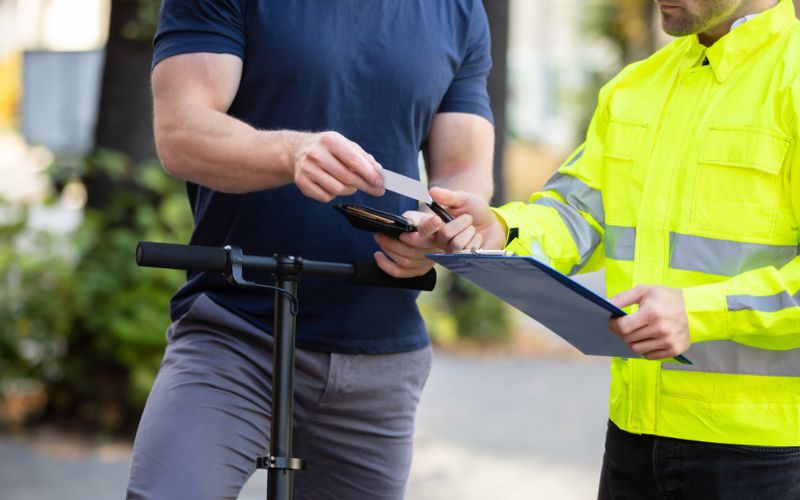
Michigan’s electric bike laws are designed to ensure the safety of both riders and pedestrians while accommodating the growing popularity of electric bikes. These laws are categorized based on the type of electric bike and cover aspects such as riding age, motor power, speed limits, and local regulations. Understanding these laws is essential for a hassle-free and legal riding experience throughout the state.
Riding Age and Licensing
Riders must be at least 14 to operate an electric bike in Michigan. Unlike motor vehicles, electric bikes do not require a driver’s license or vehicle registration.
Speed Limits and Motor Power
For Class 1 and Class 2 e-bikes, the motor’s power is limited to 750 watts. These bikes must not exceed 20 mph on level ground. Class 3 e-bikes are allowed a higher motor-assisted speed, up to 28 mph.
Local Regulations
Local ordinances may vary, so you must check with your city or county for additional regulations specific to your area. Some regions may restrict where e-bikes can be ridden, particularly in parks and nature reserves.
Safety Equipment Requirements

Ensuring rider safety is a top priority for Michigan’s electric bike laws, which mandate specific safety equipment to protect riders and enhance their visibility while on the road. These requirements encompass essential gear such as helmets, lights, reflectors, and audible devices, contributing to a safer riding experience for both e-bike riders and other road users.
Helmets: A Must-Have
Regardless of the e-bike class, wearing a helmet is mandatory for all riders under 19. It’s strongly recommended for all riders, regardless of age, to prioritize safety by wearing a properly fitting helmet.
Lights and Reflectors
Riding at night or during low visibility conditions requires proper lighting. Class 1 and Class 2 e-bikes must have a front lamp emitting a white light visible from at least 500 feet and a rear reflector and side reflectors. Class 3 e-bikes have the same requirements but must also feature a rear lamp emitting a red light.
Audible Devices
E-bikes must be equipped with a bell or horn that can be heard from a distance of at least 100 feet, helping riders alert pedestrians and other cyclists of their presence.
Where to Ride

Michigan’s electric bike laws guide where e-bike riders can travel, aiming to strike a balance between integrating e-bikes into existing transportation networks and ensuring the safety of all road users. These regulations cover various riding environments, from dedicated bike lanes to roadways and pedestrian areas, offering e-bike riders flexibility while upholding safety standards.
Bike Lanes and Paths
In Michigan, electric bike riders can use bike lanes and paths, enjoying a safe and separate space from motor vehicle traffic. Class 1 and 2 e-bikes are typically permitted on these lanes and paths.
Roadways and Traffic
E-bikes are allowed on roadways with speed limits up to 25 mph and must follow the same traffic rules as traditional bicycles. Class 3 e-bikes can also be ridden on roads, but riders should be mindful of the increased speed potential.
Sidewalks and Pedestrian Areas
E-bikes are generally prohibited on sidewalks unless the local jurisdiction explicitly permits them. When riding on a sidewalk, riders must yield to pedestrians and travel at a safe and reasonable speed.
E-Bike Routes and Restrictions
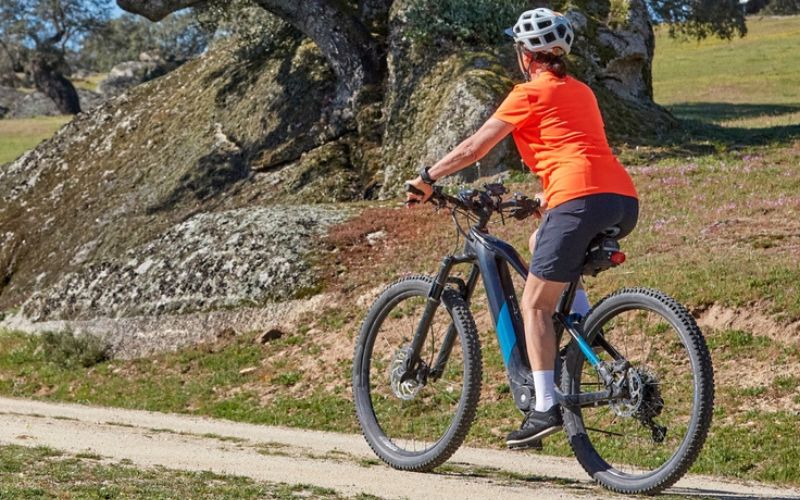
As electric bikes gain popularity in Michigan’s diverse landscape, understanding where e-bike enthusiasts can ride becomes paramount. E-bike riders can explore a variety of settings, each offering a distinct experience while adhering to Michigan’s electric bike laws.
Cityscapes and Urban Routes
In bustling urban areas, e-bike riders find their niche in bike lanes and shared pathways. These designated routes provide a haven for riders, separated from the hustle of motorized traffic. Class 1 and Class 2 e-bikes seamlessly integrate into these lanes, offering an eco-friendly and efficient mode of transportation. As cyclists pedal through city streets, they contribute to reducing congestion while enjoying a smoother journey.
Suburban Adventures
Suburban landscapes often offer a mix of bike lanes and roadways with lower speed limits. E-bike riders on Class 1 and 2 models can confidently traverse these environments using bike-friendly infrastructure. As they pedal past residential areas and community centers, e-bike riders forge connections with their surroundings, experiencing their neighborhoods in a new way.
Touring the Countryside
In the picturesque countryside, e-bike riders can venture along rural roads and byways. These roads, with their tranquil surroundings, offer riders a chance to escape the urban bustle and experience the beauty of Michigan’s landscapes. By adhering to the state’s electric bike laws, riders can make the most of these routes, enjoying the serenity of the countryside while maintaining road safety.
Pedestrian Zones and Shared Spaces
In spaces shared with pedestrians, such as boardwalks or promenades, e-bike riders must exercise heightened caution. While Class 1 e-bikes, with assistance only during pedaling, might be allowed in some pedestrian zones, it’s vital to prioritize the safety of walkers. Reducing speed, yielding the right of way, and maintaining a safe distance help create a harmonious atmosphere for all users of these shared spaces.
Conclusion
In conclusion, navigating Michigan’s electric bike laws requires a solid understanding of the classifications, age restrictions, safety equipment, and permitted riding areas. By adhering to these regulations, riders can enjoy the benefits of electric bikes while promoting safety and responsible riding practices. As the transportation landscape evolves, staying informed about potential incentives and changes to regulations will help riders make the most of their electric bike experiences while contributing to the broader goals of sustainability and road safety.
FAQs
Can I ride my electric bike on hiking trails?
In Michigan, the rules for riding electric bikes on hiking trails vary depending on the specific course and local regulations. Some systems may allow Class 1 e-bikes, which assist only when pedaling, while others may have stricter restrictions. Always check with the trail management before venturing out.
Are there any incentives for electric bike riders in Michigan?
As of my last knowledge update in September 2021, Michigan does not offer specific incentives for electric bike riders. However, the state’s commitment to clean transportation could lead to future incentives or programs. Stay updated with local authorities or advocacy groups for potential changes.
Do these laws apply to electric scooters as well?
No, the electric bike laws in Michigan are distinct from those governing electric scooters. Electric scooters are generally considered motor vehicles and may have their own set of regulations. If you’re using an electric scooter, it’s important to familiarize yourself with the laws that pertain to that specific vehicle.
