
Electric Bike Laws in Florida: What You Need to Know
With the smart city revolution powering a fast-paced shift towards cleaner and greener modes of transportation, e-bikes are becoming the preferred choice for many Floridians. However, their popularity has been accompanied by new regulations that every electric bike owner needs to be aware of. Are you up to date with the latest laws?
This blog post will save you from any potential headaches or fines by breaking down everything you need to know about Electric Bikes Laws in Florida. So whether you’re a long-time enthusiast or a newbie just starting your e-biking journey, stick around to ensure you don’t end up on the wrong side of the law. Prepare for a deep dive into the fascinating world of e-bike legislation in the Sunshine State. Expect many tips and tricks from our expert team at EnergieCycle, designed to keep your ride smooth, legal, and, most importantly – fun. Buckle up for an enlightening journey that will have you riding your e-bike more confidently.
In Florida, electric bikes can be ridden anywhere traditional bicycles can be hung, including roads, bike lanes, and multi-use paths. Class 1, 2, and 3 e-bikes with a maximum speed of 28mph and an electric motor power wattage under 750 are all legal in Florida without registration or a driver’s license. Although helmets are not required by law, it is highly recommended to wear one while riding. Nonetheless, local ordinances may vary from statewide rules, so it is crucial to review specific area laws before using your e-bike.
Florida’s Electric Bike Laws

Florida has embraced the growing popularity of electric bikes (e-bikes) and has established specific laws and regulations to govern their use. Understanding these laws is crucial, as they define where e-bikes can be ridden and outline the bike classifications permitted on different roadways.
In Florida, e-bikes are classified into three categories: Class 1, Class 2, and Class 3. Each class corresponds to the level of assistance the electric motor provides and the maximum speed at which the bike can operate. Class 1 e-bikes have pedal-assist functionality, meaning the motor only engages when pedaling, and they have a top speed of 20 mph. Class 2 e-bikes have a throttle and pedal assist, allowing them to reach a maximum speed of 20 mph. Class 3 e-bikes also have pedal assist and reach speeds up to 28 mph.
The good news is that all three classes of e-bikes are legal in Florida as long as they meet certain criteria. To comply with state regulations, e-bikes must not exceed the designated speed limits, so choosing a model that aligns with these restrictions is essential. The electric motor must also have a power output of less than 750 watts.
It’s important to note that riders must be at least 16 years old to operate an e-bike in Florida legally. While helmets are not required by law for e-bike riders in the state, it is strongly recommended to wear one to minimize the risk of injury.
Florida law allows e-bikes to be ridden anywhere standard bicycles are permitted. This includes roads, bike lanes, and multi-use paths. However, it’s crucial to stay informed about local ordinances or regulations that may impose additional restrictions or prohibitions on e-bike usage in certain areas. Researching local rules will ensure compliance and make for a smooth riding experience.
When venturing out on an e-bike in the Sunshine State, it’s imperative to adhere to safe cycling practices, respect the surrounding wildlife, and dress appropriately for the weather conditions. With its diverse terrain and beautiful trails, Florida offers great opportunities for e-bike enthusiasts to explore stunning landscapes while enjoying the freedom of electric-powered cycling.
Rider Requirements

To legally operate an e-bike in Florida, riders must meet certain requirements. The most important criterion is being at least 16 years old. This age restriction ensures that riders have a basic level of maturity and responsibility to navigate safely on public roadways.
While wearing a helmet is not legally mandated for e-bike riders in Florida, it is strongly recommended. Helmets provide essential protection and prevent serious head injuries in a fall or accident. So even if you’re not required by law to wear one, it’s always best to prioritize your safety by wearing a properly fitted helmet.
As with any form of cycling, it’s crucial to follow traffic laws and regulations when riding an e-bike in Florida. This includes obeying traffic signals and signs, yielding the right of way when necessary, signaling your turns, and staying within designated bike lanes whenever possible.
It’s worth noting that no driver’s license or vehicle registration is required to ride an e-bike in Florida. This accessibility factor makes e-bikes a convenient mode of transportation for individuals who may not possess a driver’s license or prefer eco-friendly alternatives for their daily commute or recreational activities.
Understanding the rider requirements ensures that you can enjoy your e-biking experience while abiding by the law and prioritizing safety. By adhering to these guidelines, you can have peace of mind knowing that you’re operating your e-bike responsibly and legally on Florida’s roadways.
In Florida, e-bike riders must be at least 16 years old and are encouraged to wear helmets even though it’s not mandated by law. Following traffic laws and regulations while riding an e-bike in Florida is important, including obeying traffic signals and signs, yielding the right of way when necessary, signaling turns, and staying within designated bike lanes whenever possible. No driver’s license or vehicle registration is required to ride an e-bike in Florida. This makes them accessible to individuals who may not possess a driver’s license or prefer eco-friendly alternatives for their daily commute or recreational activities.
Local Authority Regulations

Regarding electric bike laws, it’s important to recognize that while Florida has statewide regulations, local authorities can implement additional rules and restrictions. So, before you hit the road with your e-bike, you must familiarize yourself with any specific rules that may apply in your local area.
Local ordinances may have specific regulations that differ from statewide laws, so checking your local area’s e-bike laws before riding is important.
These local regulations can vary widely and may include restrictions on where you can ride your e-bike or specific speed limits or helmet usage requirements. For example, some cities may allow e-bikes on certain bike lanes but not others, or they may designate certain paths or trails specifically for electric bike use.
To ensure compliance and avoid any potential legal issues, take the time to research and understand the rules and regulations set by your local authorities. This will help you ride safely and responsibly while enjoying the benefits of your e-bike.
Understanding E-Bike Classes and Labels

When it comes to electric bikes, understanding the different classes and labels is essential for legal compliance and selecting the right e-bike for your needs. In Florida, there are three main classes of e-bikes: Class 1, Class 2, and Class 3. These classes define the capabilities and top speeds of electric bikes.
Class 1: Class 1 e-bikes are pedal-assist only, which assists when you pedal but do not have a throttle. They have a maximum assisted speed of 20 mph. These e-bikes require active pedaling for the motor to engage.
Class 2: Class 2 e-bikes have both pedal-assist and throttle options. They also have a maximum speed of 20 mph. Unlike Class 1 e-bikes, Class 2 e-bikes can be propelled without pedaling, solely relying on the throttle.
Class 3: Class 3 e-bikes are similar to Class 1 in that they are pedal-assists only. However, they have a higher maximum assisted speed of 28 mph. Like Class 1 e-bikes, active pedaling is required for the motor to engage.
Understanding these classes will help you choose an electric bike that aligns with your desired riding experience and ensures compliance with Florida’s regulations. It’s important to note that these classifications not only dictate the capabilities of the e-bike but also impact where you can ride legally. Certain areas may have specific restrictions or allowances based on e-bike class.
By understanding the different classes and labels, you can decide which type of electric bike best suits your needs and ensure your usage aligns with Florida’s regulations.
Classifications and Speed Limitations
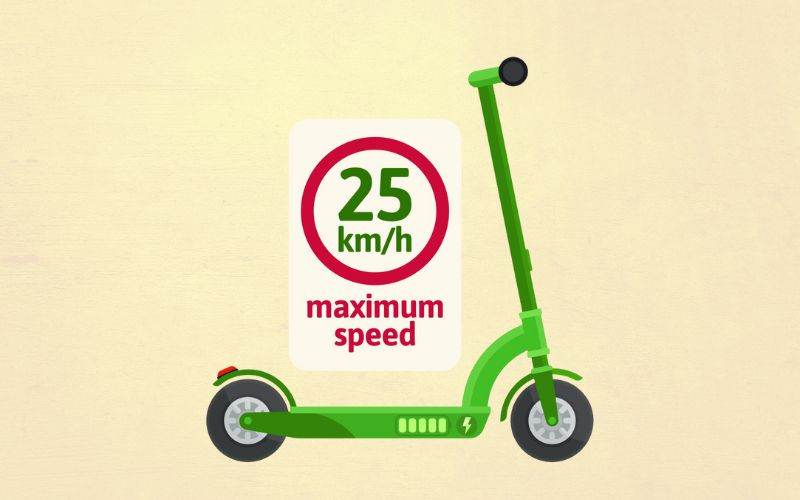
When it comes to electric bike laws in Florida, understanding the classifications and speed limitations is crucial. In 2023, Florida adopted a new law classifying e-bikes into three categories: Class 1, Class 2, and Class 3. Each classification has specific motor assistance and speed limits.
Class 1 e-bikes have an electric motor that assists the rider while pedaling, assisting up to 20 mph. The engine automatically stops helping once the bike reaches this speed limit. These e-bikes are allowed on roads, bike lanes, and multi-use paths.
Class 2 e-bikes also have an electric motor that assists the rider but can also propel the bike without pedaling. Like Class 1 e-bikes, they have a maximum speed of 20 mph. However, riders must be aware of their surroundings and exercise caution when using the throttle feature. Class 2 e-bikes are permitted on roads, bike lanes, and multi-use paths.
Class 3 e-bikes are known as “speed pedal-assisted electric bicycles.” They provide motor assistance only when the rider is pedaling and have a top speed of 28 mph. To ensure safety on shared pathways, these bikes must be equipped with a speedometer and only operate in full compliance with traffic rules. They are allowed on roads, bike lanes, and multi-use paths.
It’s important to note that exceeding these speed limits can result in legal consequences or violations. Thus, riders should familiarize themselves with their e-bike’s classification to adhere to Florida’s regulations. Understanding these classifications and speed limitations allows cyclists to ride confidently while complying with state laws.
Safe Riding Practices & Equipment

To enjoy electric biking in Florida safely, it’s essential to prioritize safe riding practices and invest in suitable equipment. Here are some crucial tips to consider:
- Wear a helmet: While not required by law for e-bike riders in Florida, wearing a helmet is highly recommended for personal safety. It can protect against head injuries in an accident or fall.
- Observe traffic rules: Treat your e-bike like a regular bicycle and follow all traffic signals and signs. Adhere to speed limits and yield the right of way when necessary.
- Share the road: Cyclists should ride in designated bike lanes when available. If there is no designated lane, ride as close to the right side of the road as practicable, taking care not to impede traffic.
- Be visible: Ensure your e-bike has appropriate lights and reflectors, especially if riding at night or in low-light conditions.
- Stay alert: Maintain awareness of your surroundings, including other vehicles and pedestrians. Avoid distractions such as using headphones or mobile devices while riding.
- Maintenance and inspections: Regularly maintain your e-bike to ensure it works properly. Check brakes, tires, lights, and other components before each ride.
- Respect wildlife and nature: When exploring Florida’s scenic trails and parks on your e-bike, be mindful of the environment and wildlife around you. Adhere to any specific rules or restrictions in protected areas.
By following these safe riding practices and investing in essential equipment, electric bike riders can enjoy their journeys with peace of mind while minimizing risks to themselves and others on the road or path.
- According to the National Conference of State Legislatures, as of 2023, Florida is one of over 20 states that have introduced specific legislation for e-bikes.
- Following the introduction of these laws, e-bike sales made up approximately 10% of all US bicycle sales from May 2017 to May 2018.
- Cycling industry analysts project that up to 130 million e-bikes will be sold globally between 2020 and 2023 due to progressive legislation and increased user interest.
Exploring Florida’s Terrain: E-Bike Travel Tips

Florida offers a diverse and beautiful landscape for e-bike enthusiasts to explore. From picturesque coastal routes to scenic trails through lush forests, the Sunshine State has a lot to offer. However, before embarking on your e-bike adventure, being prepared and informed about the terrain and the necessary travel tips is crucial.
One important aspect to consider is the weather. Florida is known for its hot and humid climate, especially during summer. When planning your e-bike trip, it’s essential to dress appropriately in lightweight, breathable clothing and to stay hydrated throughout your journey. Wearing sunscreen is also highly recommended to protect your skin from the intense Florida sun.
Picture yourself riding along the Gulf Coast, with the warm breeze blowing through your hair as you glide down the bike path. The sun glistens on the crystal-clear water, creating a magical atmosphere. But be mindful that temperatures can soar during midday hours, so planning your rides earlier or later in the afternoon can provide more comfortable conditions.
Furthermore, respecting wildlife and natural areas is paramount when exploring Florida’s terrain on an e-bike. As you venture into parks and protected areas, be aware of any guidelines or restrictions park authorities impose. Some trails may not be suitable for e-bikes due to ecological preservation efforts or safety concerns.
Navigating Florida’s terrain also requires familiarity with e-bike-friendly trails and paths. While many areas allow e-bikes on regular bike lanes and roads, specific courses are designated for non-motorized bicycles only. Researching and identifying these e-bike-friendly routes in advance can enhance your overall experience while ensuring compliance with local regulations.
Safety is another factor to consider when exploring Florida’s terrain on an e-bike. Let’s discuss some essential safety practices to help you maximize your e-bike adventure.
Safety should always be a top priority when riding an e-bike. Not only do you want to protect yourself from potential accidents or injuries, but it’s also important to ensure the safety of others around you.
Follow all traffic rules and signals when riding on roads or bike lanes. Observe proper signaling for turns, use hand signals, and stay in designated bike lanes whenever possible. Being predictable and visible helps drivers anticipate your movements and reduces the risk of collisions.
Investing in quality safety gear is highly recommended. While helmets may not be legally required for e-bike riders in Florida, wearing one can significantly reduce the severity of head injuries in case of an accident. Additionally, consider wearing reflective clothing or accessories and using front and rear lights on your e-bike to enhance visibility.
Imagine yourself cruising along a scenic bike path during twilight hours, with the mesmerizing colors of the sunset painting the sky above you. As darkness sets in, proper lighting ensures your safety and adds an enchanting touch to your nighttime rides.
Think of these safety practices as guardrails that guide your e-biking journey in Florida – essential for a smooth and secure ride.
Remember, even with the best planning and precautions; unexpected situations can arise while exploring Florida’s terrain on an e-bike. Therefore, it’s crucial to stay vigilant, remains aware of your surroundings, and adapt to changing conditions throughout your adventure.
FAQs
Is there an age limit for riding an electric bike in Florida?
There is an age limit for riding an electric bike in Florida. According to current legislation, individuals must be at least 16 years old to operate an electric bike on public roads. This age restriction is in place to ensure the safety of both the rider and other road users. Electric bikes can reach higher speeds than traditional bicycles, and having a minimum age requirement helps prevent potential accidents.
What are the penalties for violating electric bike laws in Florida?
The penalties for violating electric bike laws in Florida may vary depending on the specific violation. Generally, riding an electric bike above the maximum allowable speed limit of 20 mph or on restricted highways can result in fines ranging from $30 to $500. However, it is important to note that these penalties are subject to change, so it is always recommended to check the most up-to-date information from the Department of Highway Safety and Motor Vehicles.
Do electric bikes need to be registered with the DMV in Florida?
Electric bikes do not need to be registered with the DMV in Florida. According to Florida law (Statute 316.003), electric bikes are classified as bicycles as long as they have an electric motor with a maximum power of 750 watts and cannot exceed a speed of 20 miles per hour. Bicycles, including electric bikes meeting these criteria, are exempt from registration and licensing requirements. This means that electric bike riders can enjoy the benefits of convenience and eco-friendly transportation without the hassle of registration.
Can electric bikes be ridden on sidewalks in Florida?
No, electric bikes cannot be ridden on sidewalks in Florida. According to Florida Statute 316.0085, bicycles are considered vehicles. They are subject to the same rights and duties as other vehicles on the roadways, including the prohibition of riding on sidewalks in business districts. While electric bikes offer pedal assist or fully electric propulsion, they are still categorized as bicycles under state law. Riding on sidewalks could pose safety risks to pedestrians and impede foot traffic flow. Electric bike riders need to follow the road rules and use designated bicycle lanes for a safer riding experience. According to the Florida Department of Highway Safety and Motor Vehicles, there were 783 bicycle-related crashes resulting in injuries in 2019, highlighting the need for safe riding practices.
Are there specific speed limits for electric bikes in Florida?
Yes, in Florida, electric bikes are subject to specific speed limits. According to current regulations, electric bikes can reach a maximum speed of 20 miles per hour on flat surfaces. However, it’s important to note that some local jurisdictions may implement speed restrictions for electric bikes. It is advisable to check with local authorities and follow any posted speed limits for your safety and compliance with the law.
