
Electric Bike Laws in California: What You Need to Know
On an electric bike, cruising the Pacific Coast with the wind in your hair sounds exhilarating. Still, before you hop on that saddle, it’s crucial to understand California’s electric bike laws. This vital information will ensure a smooth ride that keeps you firmly within the legal boundaries. In our guide, delve deep into directives affecting electric bikes in The Golden State — from classification and safety equipment to speed restrictions and trail regulations. This is your essential toolkit for pedaling your electric steed through California’s breathtaking landscapes safely and legally while relishing the thrill of the electric experience.
In California, electric bikes are classified as conventional bicycles with restrictions on motor power not exceeding 750W and speed not exceeding 28 mph on level ground. There are three classes of electric bikes with different assist modes and speed limits, while operators do not need a license or registration but must be 16 years or older and wear helmets if under the age of 17. It’s important to consult local agencies to ensure compliance with applicable laws and regulations.
Understanding Electric Bike Laws in California
Navigating the complex landscape of electric bike laws can be overwhelming, especially if you’re unfamiliar with the regulations specific to your state. In California, it’s crucial to have a solid understanding of these laws to ensure you ride safely and within legal boundaries. Luckily, California has embraced the increasing popularity of electric bicycles and has established clear guidelines to govern their use.
First and foremost, it’s important to note that California defines electric bikes as bicycles equipped with an electric motor that assists the rider while pedaling. These bikes are considered an eco-friendly alternative to traditional bicycles and contribute to reducing carbon emissions.
California distinguishes between three primary classes of electric bikes: Class 1, Class 2, and Class 3. Each type comes with its own set of specifications and restrictions regarding speed and motor assistance capabilities.
Let’s take a closer look at each class:
- Class 1: These e-bikes are equipped with motors that assist only when the rider pedals, offering a maximum speed of 20 miles per hour. This ensures a smooth ride while still requiring active participation from the rider.
- Class 2: These e-bikes feature motors that propel the bicycle without pedaling. However, they still have a maximum speed limit of 20 miles per hour, ensuring safety by not allowing excessive speeds without rider input.
- Class 3: Class 3 e-bikes are called “speed pedal-assisted” bicycles. They can reach speeds up to 28 miles per hour but require the rider to pedal for the motor assistance to engage. Class 3 e-bikes typically have additional safety features like speedometers and rearview mirrors.
Now that we’ve covered the different classes of electric bikes recognized in California let’s delve into the age and license restrictions associated with riding these innovative modes of transportation.
Classification of Electric Bikes
California’s electric bike laws also come with certain age and lice
se restrictions that riders must adhere to. Generally, electric bike riding in California doesn’t require a driver’s license or license plate. However, age limitations are in place to ensure safety on the roads.
Riders under the age of 16 are not permitted to operate any class of electric bike unless accompanied by an adult. This restriction protects younger riders who may not have the necessary skills and experience to handle higher speeds or navigate traffic effectively.
For instance, imagine a teenager excitedly hopping onto a Class 3 e-bike without fully understanding its speed capabilities. This age restriction ensures young riders gain experience and maturity before riding more powerful e-bikes.
Additionally, riders of any age must prioritize safety by wearing a properly fitted bicycle helmet while operating an electric bike. Wearing a helmet protects against head injuries and sets a good example for others, encouraging safe riding practices within the community.
With these age and license restrictions in mind, all riders need to be aware of their responsibilities and ride responsibly within the parameters set by California’s electric bike laws.
- According to a survey conducted by PeopleForBikes in 2023, approximately 68% of Californians knew that the state categorizes e-bikes into three classes.
- According to a 2022 National Institute for Transportation and Communities study, e-bike usage grew by almost 65% in California over the past five years.
- A survey conducted in 2023 by the California Office of Traffic Safety found that only around half of electric bike users in California are fully aware of their local e-bike laws and restrictions.
Age and License Restrictions
When it comes to electric bike laws in California, there are certain age and license restrictions that riders must adhere to. California’s minimum age requirement for electric bicycle operation is 16 years old. This ensures riders have maturity and responsibility when navigating traffic or public spaces. It’s important to note that this age restriction applies to all classes of electric bikes, including Class 1, Class 2, and Class 3.
Additionally, riders are not required to obtain a driver’s license or license plate to operate an electric bike in California. This makes it more accessible for individuals who may not have a driver’s license but still want to enjoy the benefits of electric biking. However, just because a charge isn’t mandatory doesn’t mean safety should be neglected. Riders of all ages must prioritize their safety by wearing a properly-fitted helmet and following all traffic rules and regulations.

For instance, consider Sarah, a 17-year-old student who recently got her first electric bike. She wanted a convenient and eco-friendly way to commute to school without relying on her parents or public transportation. Being mindful of the age restriction, she knew she met the requirements and could legally ride her electric bike on designated paths and roadways.
While there are no specific licensing requirements, understanding the rules of the road is vital. Electric bike operators should know their surroundings, yield to pedestrians, use hand signals when turning or stopping, and exercise caution when riding on shared pathways with other cyclists.
By adhering to these age restrictions and prioritizing safety, riders can confidently enjoy their electric bikes while ensuring their well-being and the safety of others on the road.
Now that we’ve covered age and license restrictions related to electric biking in California let’s explore the laws and regulations for riding electric bikes in public spaces.
Riding Electric Bikes on Public Spaces: Laws and Restrictions
California’s expanding legislation has made it more accessible for electric bike riders to travel on public spaces such as bicycle paths, trails, bikeways, and lanes. This is a significant development as it allows riders to fully experience the benefits of electric bikes while exploring recreational areas or commuting through urban environments.
However, it’s important to note that local authorities still have the discretion to limit or restrict access to certain equestrian trails, hiking paths, and recreation trails. So, before venturing out on your electric bike, it’s crucial to check with local park and recreation departments or visit their websites for any specific regulations about your desired riding areas.
Additionally, riders should familiarize themselves with California Department of Motor Vehicles (DMV) classifications for electric bikes. There are three classes:
- Class 1: These electric bikes have a motor that assists when pedaling and stops assisting once the speed reaches 20 mph.
- Class 2: These bikes have a motor that solely propels the bicycle and does not provide assistance beyond 20 mph.
- Class 3: Similar to Class 1, these bikes also have a motor that assists when pedaling but stops assisting once the speed reaches 28 mph. They are equipped with a speedometer.
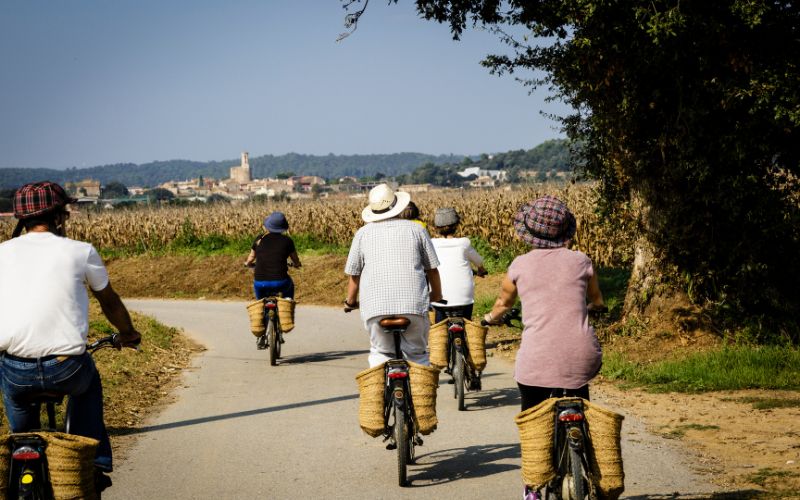
Consider Jake, an avid cyclist who recently upgraded to a Class 3 electric bike to tackle steep hills more easily during his weekend rides. He was thrilled to learn about the new law allowing him to ride his Class 3 e-bike on various designated bike paths and lanes throughout California.
To ensure compliance with the law, riders must understand which class their electric bike falls into and operate it accordingly within the specified speed limits. Additionally, riders should be prepared to present a valid identification card or driver’s license if requested by law enforcement.
It’s worth noting that even though there are laws in place, it’s always a good idea to exercise caution when riding an electric bike in public spaces. Respecting pedestrians, giving ample warning when passing, and yielding to other users on shared pathways can help ensure a safer and more enjoyable experience.
Now that we’ve discussed the laws and restrictions surrounding riding electric bikes in public spaces in California, let’s delve into the limitations of depending on public trails.
Limitations of Riding on Public Trails
California offers a picturesque landscape that entices electric bike enthusiasts to explore its natural beauty. However, knowing the limitations and regulations regarding riding electric bikes on public trails is important. While electric bikes are generally allowed on most routes, there may be specific restrictions depending on the type of trail and its governing authority.
For example, in California, Class 1 and Class 2 electric bikes are usually permitted on paved bike paths or multi-use trails unless a local ordinance prohibits their use. These courses often have established speed limits, ensuring the safety of all users. However, it’s crucial to recognize that Class 3 electric bikes, which can reach higher speeds, might not be permitted on these pathways due to safety concerns.
Further limitations may arise when accessing wilderness areas or national parks. These protected lands have their own set of rules to preserve the wilderness experience and safeguard fragile ecosystems. In some cases, electric bikes may not be allowed on certain trails within these areas to minimize environmental impact or protect wildlife habitats.
It’s always best practice to check with the governing authority or visit their official website for detailed information before venturing onto any specific trails. This way, you can avoid potential conflicts or disappointments while planning your electric bike adventures.
Safety and Equipment Requirements for Electric Bikes
While exploring the California roads and trails on your electric bike, it’s crucial to prioritize safety for yourself and others sharing the path. Understanding safety measures and equipment requirements is key to enjoying a secure and responsible ride.
One fundamental aspect is wearing a properly fitted bicycle helmet whenever operating an electric bike. This applies regardless of age or class of electric bike being ridden. A reliable helmet can significantly reduce the risk of head injuries in accidents or falls.
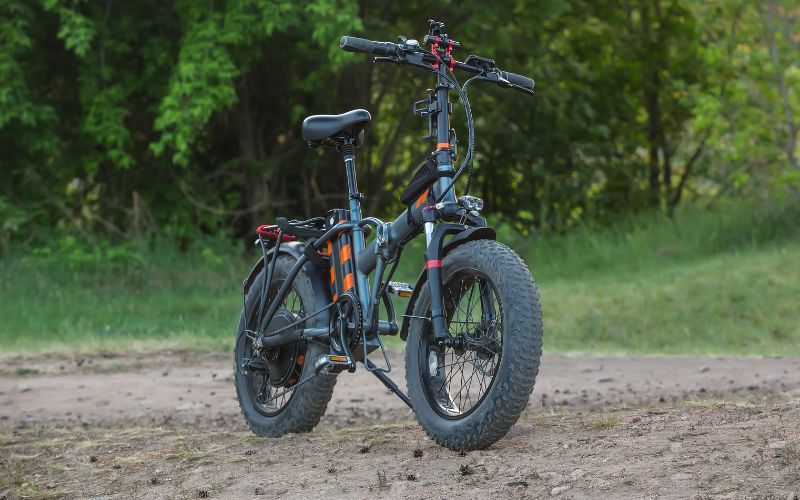
California law also requires electric bikes to be equipped with essential features, such as functioning headlights and taillights for nighttime riding. These lights ensure visibility and promote safer interaction with other road users. Additionally, electric bikes must have a white reflector in the front and red glass on the rear to enhance visibility during low-light conditions.
Another vital safety consideration is obeying traffic laws and regulations while riding your electric bike. You should ride in the same direction as other traffic, yield at intersections when necessary, and signal your intentions using hand signals. Adhering to these rules helps create a predictable environment for all road users, reducing the risk of accidents and conflicts.
It’s worth highlighting that every electric bike model may have specific safety requirements the manufacturer prescribes. Familiarize yourself with these recommendations, such as maximum rider weight limits or guidelines for assembly and maintenance, to ensure optimal performance and safety throughout your rides.
Awareness of the limitations of riding on public trails and following safety requirements significantly contribute to a positive electric biking experience. However, it’s also important to understand your rights as an electric bike rider and stay informed about local governing policies regarding their use.
Electric Bike Riders’ Rights and Local Governing Policies
As an electric bike rider in California, knowing your rights and understanding the local governing policies that may affect where you can ride are important. With the recent changes in e-bike laws, riders enjoy expanded access to various paths and trails, making exploring the state’s beautiful landscapes easier.
California law now allows e-bikes on bicycle paths, trails, bikeways, and lanes, significantly expanding the areas where Class 3 e-bikes can travel. This means that riders can experience the convenience and pleasure of using their e-bikes in places previously restricted to traditional bicycles. It’s a testament to the growing recognition of electric bikes as a sustainable mode of transportation.
However, it’s important to note that while the new law is a significant step forward, local authorities still can prohibit e-bikes on certain trails designated for specific uses, such as equestrian or recreational purposes. Therefore, riders must consult local city or county regulations to ensure they ride their e-bikes in permitted areas.
Electric bike riders must also understand their rights when sharing the road with other vehicles. E-bikes are legally classified as bicycles rather than motor vehicles in California. This means riders have the same rights and responsibilities as traditional bicyclists when using public roads. However, exercising caution and staying vigilant while riding on roads with heavier traffic is always recommended.
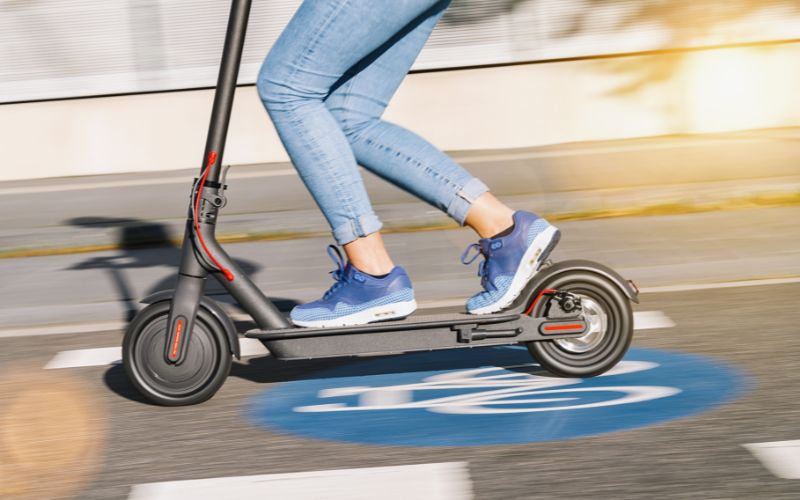
Regarding safety regulations, riders must adhere to a few key requirements. First and foremost, all riders must be at least 16 years old. Wearing a safety helmet is also mandatory for all electric bike riders in California – this protects the rider and sets a good example for others. Furthermore, it is important to remember that carrying passengers on an e-bike is not permitted.
Imagine you’re a commuter who relies on an electric bike to navigate the busy streets of Los Angeles. Knowing your rights as a rider can make a significant difference in ensuring a safe and enjoyable ride. Understanding where you can ride and following all safety regulations allows you to confidently explore the city while avoiding unnecessary conflicts or legal issues.
So, how can you stay informed about the latest policies and regulations? Keeping up with local governing bodies, such as city councils or transportation departments, can provide valuable information regarding any changes or updates related to electric bike laws. They might also offer resources on recommended routes or designated e-bike paths within your area.
It’s worth noting that while California has made strides in expanding access for e-bike riders, regulations and policies may vary across different states or even within other cities. So, if you plan on riding your electric bike outside of California, it’s important to familiarize yourself with the specific laws applicable in those areas.
Electric bike riders’ rights and local governing policies combine to create a safe and harmonious environment for riders and other road users. We can continue promoting sustainable transportation options and enjoy electric bikes’ freedom by staying informed, respecting local regulations, and advocating for responsible e-bike use. Remember, with great power comes great responsibility – so let’s ride smart and be good ambassadors for this exciting mode of transportation.
FAQs
What age restrictions apply to the use of electric bikes in California?
In California, the age restrictions for electric bike riders are fairly lenient. Anyone aged 16 and above can operate an electric bike without a driver’s license or permit. However, riders under 18 must wear a properly fitted helmet while riding an electric bike. These regulations promote accessibility to sustainable transportation options while ensuring safety for young riders.
Can electric bikes legally be ridden on sidewalks in California?
No, electric bikes cannot legally be ridden on sidewalks in California. According to the California Vehicle Code (CVC) 21207.5, electric bicycle riders are treated as regular and must follow the same road rules. This means they are not allowed on sidewalks unless local ordinances permit them. Riding on the sidewalk poses risks to pedestrians. It can lead to accidents, so electric bike riders must use designated bike lanes or shared-use paths when available.
Are there any special rules for operating electric bikes on bike paths or trails in California?
California has special rules for operating electric bikes on bike paths or trails. As of 2023, electric bikes are allowed on bike paths and trails unless specifically prohibited by local ordinances. However, it is important to note that the speed limit for electric bikes on such courses is 15 mph. This regulation ensures the safety of pedestrians and other cyclists sharing these spaces. According to a California Department of Transportation study, the 15 mph speed limit helps reduce accidents. It promotes a harmonious coexistence between electric bikes and other users of the bike paths and trails.
What is the maximum speed limit for electric bikes on public roads in California?
The maximum speed limit for electric bikes on public roads in California is 28 mph. According to California Vehicle Code Section 312.5, electric bikes are considered bicycles if they have a motor with a maximum power output of 750 watts and do not exceed the speed limit. This speed limit ensures riders’ safety and integration with other traffic on the road.
Are riders required to wear helmets while operating an electric bike in California?
Yes, riders must wear helmets while operating an electric bike in California. According to the current laws, anyone under 18 must wear a helmet while riding an electric bike. Additionally, it is highly recommended for all riders, regardless of age, to wear helmets for safety. Studies have shown that wearing a helmet significantly reduces the risk of head injuries in bicycle accidents.
