
Exploring Hawaii E-Bike Laws for a Safe and Scenic Adventure
Hawaii, renowned for its breathtaking landscapes and serene beauty, offers an idyllic setting for electric bike enthusiasts. However, before you embark on your electric biking adventure, it’s crucial to comprehend the regulations that govern electric bikes in the Aloha State. In this article, we’ll delve into the ins and outs of Hawaii’s electric bike laws to ensure you have a safe and enjoyable experience while riding through paradise.
Electric Bikes in Hawaii – Types and Classifications

Electric bikes, often called e-bikes, are gaining popularity worldwide due to their eco-friendliness and convenience. In Hawaii, e-bikes are classified into three main categories based on their power and assistance levels.
Class 1 Electric Bikes – Pedal Assist
Class 1 e-bikes are equipped with a pedal-assist mechanism that provides assistance only when the rider is pedaling. The motor’s contribution stops once the bike reaches a speed of 20 miles per hour (mph). These bikes offer a seamless integration of human effort and motor assistance, making them ideal for exploring Hawaii’s scenic trails.
Class 2 Electric Bikes – Throttle Assist
Class 2 e-bikes come with a throttle that allows the rider to control the motor’s assistance without pedaling. The engine can propel the bike up to 20 mph. Riders seeking a more laid-back experience can opt for Class 2 e-bikes, which offer effortless cruising along Hawaii’s coastal routes.
Class 3 Electric Bikes – Speed Pedelecs
Class 3 e-bikes are designed for those who crave a swifter ride. With a maximum motor-assisted speed of 28 mph, these bikes are perfect for covering longer distances in less time. However, they are restricted to roadways and paths where motorized vehicles are permitted.
Rules and Regulations for Electric Bikes in Hawaii
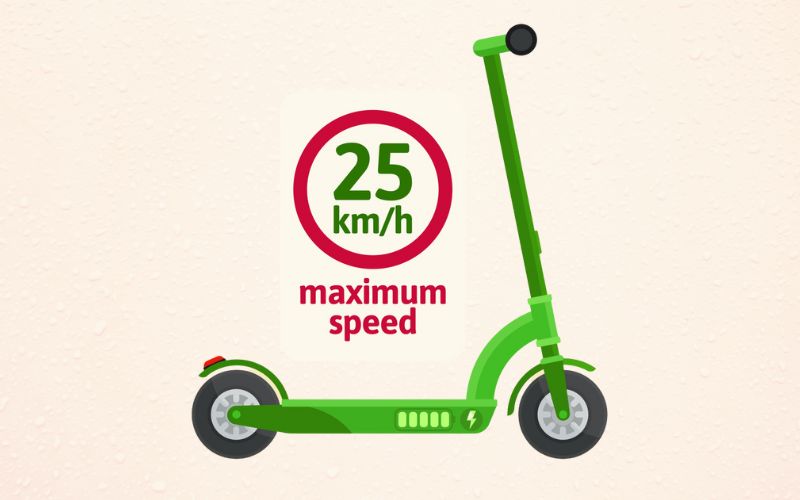
To ensure the safety of riders and pedestrians alike, Hawaii has established specific rules and regulations for electric bike usage across the islands.
Age Restrictions for E-Bike Riders
Class 1 and Class 2 e-bike riders in Hawaii must be at least 16 years old. This age restriction aims to ensure that e-bikes are operated responsibly and by individuals with sufficient experience.
Helmet Requirement
All e-bike riders must wear a helmet regardless of their age or the class of e-bike they are using. This safety measure helps prevent head injuries in an accident and promotes responsible riding.
E-Bike Speed Limits
E-bike riders must adhere to the designated speed limits for the respective e-bike classes. Class 1 and Class 2 e-bikes are restricted to a maximum speed of 20 mph, while Class 3 e-bikes can reach speeds up to 28 mph.
Where Can You Ride Your E-Bike in Hawaii?

Understanding where to ride your e-bike is essential to avoid legal complications during island adventures.
Shared Paths and Bike Lanes
Class 1 and 2 e-bikes are typically permitted on shared-use paths and bike lanes. These paths are designed to accommodate pedestrians and cyclists, offering everyone a safe and enjoyable experience.
Roadways and Bike Routes
Class 3 e-bikes, being faster, are generally allowed on roadways and bike routes. However, riders must follow traffic rules and regulations to ensure the safety of themselves and others sharing the road.
Public Land Restrictions
While e-bikes are a great way to explore nature, riders must be aware of any restrictions on public lands, such as national parks or wildlife reserves. It’s advisable to check with local authorities to ensure you abide by the rules of the area you plan to explore.
Safety Measures for E-Bike Riders in Hawaii

While exploring Hawaii’s picturesque landscapes on an e-bike can be thrilling, prioritizing safety is paramount. Familiarize yourself with these safety tips to make the most of your journey.
Stay Aware of Your Surroundings
Maintain situational awareness at all times. Watch for pedestrians, other cyclists, and vehicles sharing the road or path with you. This not only ensures your safety but also promotes courteous interactions with others.
Obey Traffic Laws
Like any other road user, e-bike riders must follow traffic laws and signals. Stop at red lights, yield the right of way, and use proper hand signals to indicate turns. By adhering to these laws, you contribute to a safer riding environment.
Ride Defensively
Anticipate potential hazards and be prepared to react to unexpected situations. Defensive riding involves maintaining a safe following distance, avoiding sudden maneuvers, and staying vigilant for road obstacles.
E-Bike Maintenance and Care

Ensuring your e-bike is in optimal condition is essential for safety and performance. Regular maintenance helps extend the life of your e-bike and enhances your overall riding experience.
Battery Management
Pay attention to your e-bike’s battery level during rides. To conserve battery power, use lower assistance levels when you’re confident in your pedaling capacity. Charging the battery as recommended by the manufacturer will help maintain its longevity.
Tire and Brake Checks
Regularly inspect your e-bike’s tires for signs of wear and tear. Proper tire pressure contributes to a smoother ride and better control. Additionally, ensure your brakes function correctly and are well-adjusted for optimal stopping power.
Professional Servicing
Consider scheduling regular servicing with a professional bike mechanic. They can identify and address issues before they become major problems, ensuring your e-bike remains safe and reliable.
FAQs
1. Can I rent an e-bike in Hawaii?
- Many rental shops across Hawaii offer e-bikes for tourists and locals alike.
- Renting an e-bike allows you to easily explore the islands, especially if you’re not traveling with your bike.
- Inquire about the specific e-bike class and any necessary safety equipment before renting.
2. Are there any specific regulations for e-bike rentals?
- Rental shops are required to provide helmets to riders, regardless of their age or the e-bike class.
- They should also inform renters about the local e-bike laws and the designated areas for riding.
- Renters must be of legal age to operate the chosen e-bike class.
3. Can I modify my e-bike to go faster than the prescribed limit?
- Modifying an e-bike to exceed the speed limit is generally not recommended and may be illegal.
- Doing so can result in safety hazards, legal consequences, and potential damage to the e-bike’s components.
- It’s best to enjoy the natural pace of your e-bike and adhere to the established regulations.
Conclusion
By arming yourself with a solid understanding of Hawaii’s electric bike laws, prioritizing safety measures, and maintaining your e-bike diligently, you can embark on a memorable journey through the enchanting landscapes of the Aloha State. Whether cruising along the coastlines or conquering mountain trails, responsible e-bike riding ensures your safety and preserves Hawaii’s natural beauty for generations to come. With a blend of legal knowledge, safety precautions, and proper maintenance, you’re well-equipped to embrace the paradise of Hawaii on two wheels powered by electricity and a sense of adventure.
