
Riding the Current: Your Guide to Class 3 Electric Bike Laws in NJ
In modern transportation, electric bikes have emerged as a dynamic and eco-friendly option, revolutionizing how we navigate urban landscapes. Class 3 electric bikes stand out for their enhanced speed and efficiency. If you’re a resident of New Jersey looking to harness the power of these electric steeds, it’s crucial to understand the legal landscape that governs their use. “Riding the Current: Your Guide to Class 3 Electric Bike Laws in NJ” serves as your compass, shedding light on the regulations, rights, and responsibilities of Class 3 electric biking in the Garden State. Whether you’re a seasoned cyclist or a newcomer to the world of electric bikes, this guide will empower you with the knowledge needed to cruise confidently and lawfully through New Jersey’s bustling streets and serene pathways. Join us as we delve into the intricacies of Class 3 electric bike laws, ensuring you’re well-prepared to navigate the state’s current e-bike regulations.
Understanding Class 3 Electric Bikes
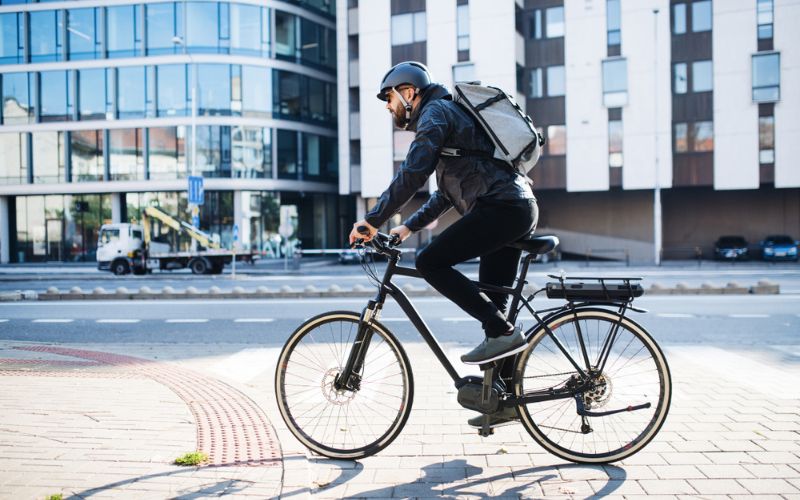
Class 3 Electric Bikes, commonly known as speed pedal-assisted electric bicycles, hold a special place in the world of e-bikes. They are designed to assist riders while pedaling, reaching up to 28 miles per hour. As you explore the Class 3 electric bike laws in NJ, here are some key aspects to consider:
Definition and Classification
Class 3 electric bikes are classified based on their speed capabilities. According to New Jersey law, a Class 3 e-bike is equipped with a motor that provides assistance only when the rider is pedaling and ceases to assist when the bike reaches a speed of 28 mph. These bikes are designed to offer riders a faster and more efficient means of transportation while still requiring active pedaling.
Age and Licensing Requirements
Regarding age restrictions and licensing, Class 3 electric bikes are treated similarly to traditional bicycles in New Jersey. Riders of all ages can operate these bikes without needing a driver’s license or specific registration. This inclusivity promotes the accessibility and use of electric bikes among various age groups.
Rules and Regulations
While Class 3 e-bikes offer convenience and speed, it’s crucial to know the rules and regulations governing their use in New Jersey. Familiarizing yourself with these guidelines ensures a safe and legal riding experience:
Bicycle Lane Usage
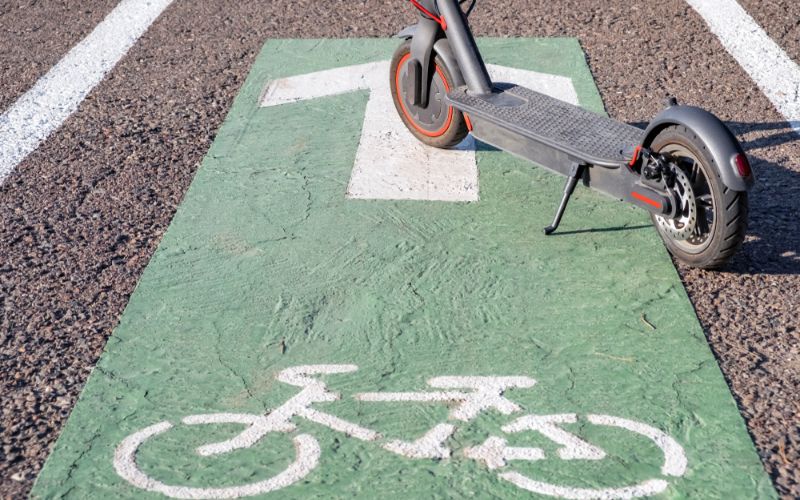
Class 3 electric bike riders in NJ can use bicycle lanes and paths. However, it’s essential to prioritize safety and respect other cyclists and pedestrians using these facilities. Riding at a reasonable speed and yielding when necessary contributes to a harmonious sharing of these spaces.
Helmet Requirement
Wearing a helmet is mandatory for riders under 17 in New Jersey. While riders over 17 are not legally obligated to wear helmets, it’s strongly recommended to ensure personal safety, especially when riding at higher speeds on Class 3 e-bikes.
Benefits of Class 3 Electric Bikes
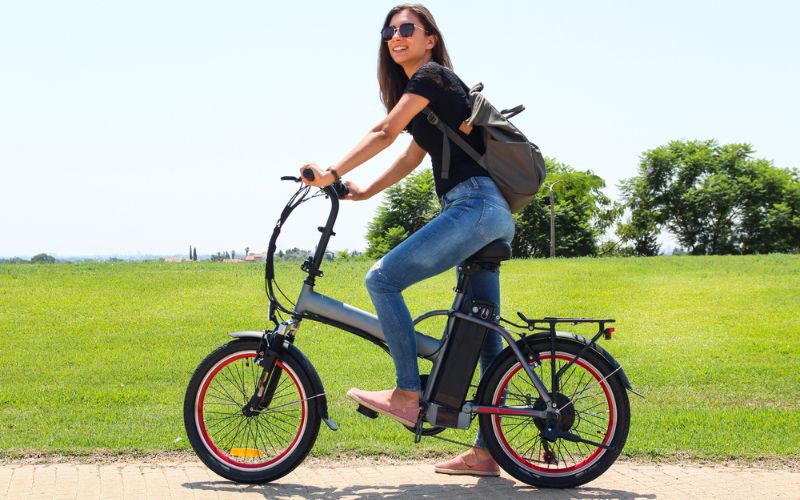
Class 3 electric bikes offer several advantages that make them an attractive option for commuters, recreational riders, and eco-conscious individuals alike:
Faster Commutes
With their ability to reach speeds up to 28 mph, Class 3 e-bikes significantly reduce commuter travel times. This feature is particularly advantageous for those traveling short to medium distances within urban and suburban areas.
Reduced Effort
The pedal-assist feature of Class 3 e-bikes minimizes the effort required to tackle inclines and challenging terrain. Riders can enjoy a smoother and more comfortable riding experience, arriving at their destinations with less exhaustion.
Eco-Friendly Transportation
Just like traditional bicycles, Class 3 electric bikes produce zero emissions. By choosing an e-bike over conventional vehicles, riders contribute to reducing air pollution and carbon emissions, promoting a cleaner environment.
Health Benefits
While Class 3 e-bikes offer motorized assistance, riders must still pedal actively. This engagement provides moderate exercise, benefiting cardiovascular health and overall fitness.
Access to Bike Lanes: Class 3 e-bikes are generally permitted in bike lanes and cycling paths, allowing riders to use dedicated cycling infrastructure for a safer and more convenient journey.
Cost Savings
Compared to traditional automobiles, Class 3 e-bike laws in NJ are more cost-effective regarding purchase price, maintenance, and fuel. This affordability makes them an appealing option for budget-conscious individuals.
Factors of Class 3 E-Bikes Laws in NJ
When considering the purchase of a Class 3 electric bike, several important factors must be considered to ensure you make an informed and suitable choice. Each element contributes to your overall riding experience, from performance to battery life. Below are key factors to consider when exploring Class 3 electric bikes:
Performance and Motor
- Motor Power: The electric motor’s power significantly impacts the bike’s performance. Class 3 e-bikes typically have motors with higher wattage to achieve speeds up to 28 mph. A powerful engine ensures smoother acceleration and efficient assistance while pedaling.
- Pedal-Assist Modes: Class 3 e-bikes often come with multiple pedal-assist modes that allow you to control the level of motor assistance. Different methods cater to varying terrain and your preferred level of exertion.
Battery Life and Range
- Battery Capacity: The battery’s capacity determines how far you can ride on a single charge. A higher-capacity battery provides a longer range, making it suitable for longer commutes or rides.
- Charging Time: Consider the time it takes to charge the battery fully. Faster charging is convenient, especially if you have limited time between rides.
- Removability: Some e-bikes offer removable batteries, which can conveniently charge indoors or replace the battery for extended rides.
Design and Comfort
- Frame Type: Class 3 e-bikes come in various frame styles, including step-through, mountain, and hybrid designs. Choose a frame that suits your riding style and preferences.
- Suspension: If you plan to ride on rough terrain, consider a front or full-suspension bike to enhance comfort and control.
- Ergonomics: Pay attention to handlebar design, saddle comfort, and overall ergonomic features to ensure a comfortable riding posture.
Components and Braking
- Brake Type: Class 3 e-bikes law in NJ require effective braking systems due to their higher speeds. Disc brakes are commonly used for reliable stopping power.
- Tire Size and Tread: Consider the tire size and tread pattern based on the type of terrain you’ll be riding on. Wider tires with suitable treads offer better stability and grip.
- Gearing: Evaluate the bike’s gearing system to ensure it accommodates the range of speeds you’ll encounter during your rides.
Legal Considerations and Regulations
- Local Laws: Familiarize yourself with the specific regulations regarding Class 3 e-bikes in your region. Rules can vary, affecting where you can ride and how the bike should be operated.
- Age Restrictions: Check for any age restrictions for riding Class 3 e-bikes. Some areas may have age limits for operating these faster electric bikes.
Price and Budget
- Initial Cost: Class 3 e-bikes are pricier due to their enhanced performance and features. Determine your budget and explore options that offer the best value for your investment.
- Long-Term Costs: Consider factors like maintenance, replacement parts, and potential battery replacement costs when calculating the long-term expenses of owning a Class 3 e-bike.
Conclusion
Class 3 electric bike laws in New Jersey reflect the state’s commitment to promoting sustainable, eco-friendly transportation options. As you embark on your e-bike journeys, adhere to the established rules and regulations to ensure a safe and enjoyable experience. By understanding the definitions, age requirements, usage guidelines, and FAQs associated with Class 3 electric bikes, you can confidently navigate the roads and bike lanes of New Jersey while contributing to a greener future.
Related Articles
FQAs
As you delve into the world of Class 3 electric bikes, certain questions may arise. To provide you with a clearer understanding, here are some frequently asked questions along with concise answers:
What sets Class 3 electric bikes apart from other e-bikes?
Class 3 electric bikes are distinguished by their ability to reach speeds up to 28 mph with motorized assistance while pedaling. This speed limit and the requirement for active pedaling define their classification, offering a balance between speed and safety.
Class 3 e-bikes stand out due to their pedal-assisted speed capabilities, making them ideal for commuters seeking efficient transportation solutions.
Are Class 3 e-bikes legal to ride on roads and bike lanes in New Jersey?
Yes, Class 3 e-bikes are typically allowed on roads and designated bike lanes in New Jersey. However, adhering to traffic rules, yielding to pedestrians, and sharing these spaces responsibly with other cyclists is crucial.
Riding Class 3 e-bikes on roads and bike lanes is permissible in New Jersey, but respecting traffic laws and considering others’ safety is paramount.
Can I still pedal a Class 3 electric bike if the battery runs out?
You can pedal a Class 3 e-bike even if the battery is depleted. These bikes are designed to function as traditional bicycles when the electric assistance is turned off, or the battery is empty. Remember that pedaling might require more effort than when the motor is active.
You can continue pedaling a Class 3 e-bike laws in NJ like a regular bicycle when the battery no longer assists.
Do I need a driver’s license to ride a Class 3 e-bike in New Jersey?
No, you do not need a driver’s license to operate a Class 3 e-bike law in NJ. These bikes are legally classified as bicycles and do not require any motor vehicle license.
No driver’s license is necessary to ride a Class 3 e-bike, making it accessible to riders of all ages.
Are there any age restrictions for riding a Class 3 electric bike in New Jersey?
New Jersey generally has no specific age restrictions for riding Class 3 e-bikes. However, checking local regulations is advisable, especially if purchasing the e-bike for a younger rider.
While age restrictions are typically not imposed, it’s wise to confirm with local authorities to ensure compliance with any potential age-related guidelines.
