
Electric Bike Laws in New York State: Rules and Regulations
Electric bikes, commonly known as e-bikes, have gained popularity as an eco-friendly and convenient mode of transportation. New York State has specific laws and regulations to govern the use of electric bikes on its roads and paths. This article will delve into these laws, exploring the types of e-bikes allowed, where you can ride them, and the rules you must follow. Additionally, we will address some frequently asked questions to provide a comprehensive guide to electric bike laws in New York State.
Types of Electric Bikes

Electric bikes, often referred to as e-bikes, come in various types, each designed to cater to different preferences and needs of riders. Understanding the distinctions between these types is crucial when choosing the right e-bike for your specific requirements. This section will explore the various types of electric bikes, including their unique features and intended use cases.
Class 1 E-Bikes
Class 1 electric bikes are characterized by their pedal-assist system, which provides electric assistance only when the rider is pedaling. These e-bikes do not have a throttle. Class 1 e-bikes are often considered the most bicycle-like among electric bikes and are allowed in most areas where traditional bicycles are permitted.
- Pedal-assist system.
- No throttle.
- Similar to regular bicycles.
- It is generally allowed in bike lanes and on public roads.
Class 1 e-bikes are ideal for individuals who want a boost in their cycling experience without needing a throttle. They are well-suited for commuting, leisure rides, and fitness purposes.
Class 2 E-Bikes
Class 2 electric bikes have a throttle that allows riders to engage the electric motor without pedaling. This throttle control provides on-demand power and can be useful when the rider needs a break from pedaling or desires an extra speed boost.
- Throttle for motor engagement.
- Pedaling is optional.
- Suitable for various riding styles.
- They are generally allowed in areas where regular bicycles are permitted.
Class 2 e-bikes are versatile and cater to riders who may want the convenience of motorized assistance without the constant need for pedaling. They are suitable for commuting, recreational riding, and exploring various terrains.
Class 3 E-Bikes
Class 3 electric bikes combine pedal-assist and throttle features. They are typically faster than Class 1 and Class 2 e-bikes and are known for their higher top speeds. However, Class 3 e-bikes have certain restrictions, particularly regarding where they can be ridden.
- Pedal assist and throttle.
- Higher top speeds.
- Speed limit compliance is required.
- Limited access to bike paths and multi-use paths.
Class 3 e-bikes suit riders who want a faster commute or need more assistance when tackling hilly terrain. However, riders must know the speed limits and restrictions on bike paths and trails.
Folding E-Bikes
Folding electric bikes are designed for portability and convenience. They can be folded or collapsed to a compact size, making them easy to transport and store. These e-bikes are popular among commuters and travelers who require a compact and versatile transportation solution.
- Compact and foldable design.
- Varying levels of assistance.
- It is ideal for urban commuting and compact storage.
- Available in different classes.
Folding e-bikes are ideal for individuals with limited storage space or who need a portable electric bike for commuting via public transportation. They are versatile and can be used in various settings.
Fat Tire E-Bikes
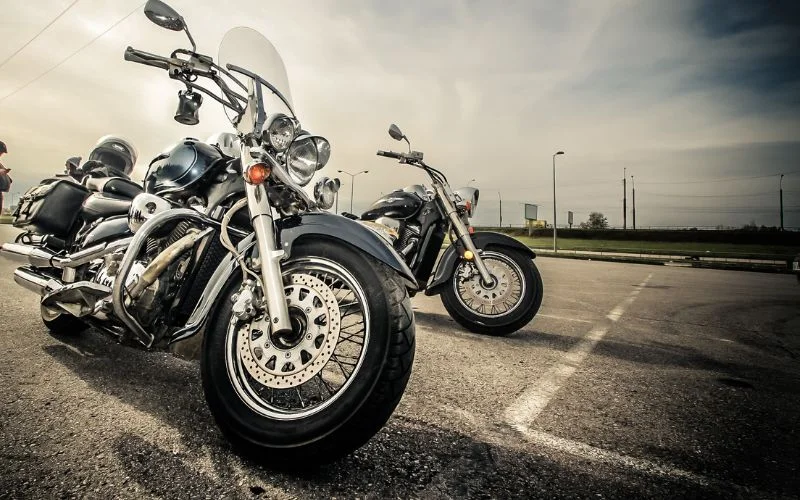
Fat tire electric bikes feature wide, oversized tires that provide enhanced stability and traction, particularly on uneven or challenging terrain. These e-bikes are designed for off-road adventures and are equipped to handle rugged environments.
- Wide, fat tires for stability.
- Suitable for off-road riding.
- Excellent traction on various terrains.
- Available in different classes.
Fat tire e-bikes are perfect for riders who enjoy off-road adventures, trail riding, and exploring rough terrains. They provide the stability and control needed for an enjoyable off-road experience.
Cargo E-Bikes
They come with cargo racks or boxes attached to the front or rear of the bicycle, providing ample storage space for groceries, luggage, or other goods.
- Cargo racks or boxes for storage.
- It enhanced load-carrying capacity.
- Suitable for transporting goods.
- Available in different classes.
Cargo e-bikes are an excellent choice for individuals transporting cargo, groceries, or children.
Recumbent E-Bikes
Recumbent electric bikes feature a reclined seating position that offers ergonomic comfort and reduces the rider’s back and neck strain.
- Recumbent, reclined seating.
- Ergonomic design for comfort.
- Various levels of assistance.
- Available in different classes.
E-bikes are suitable for riders who prioritize comfort and reduce physical strain during their rides. They are an excellent choice for leisurely cycling and extended journeys.
Rules and Regulations
To ensure you are compliant with electric bike laws in New York State, it’s crucial to adhere to the following rules and regulations:
- Speed Limit: Electric bikes in New York are subject to a maximum speed limit of 20 miles per hour when operated on public roads, bike lanes, or multi-use paths. Keeping your e-bike’s speed within this limit is important to avoid legal issues.
- Age Restrictions: There are no specific age restrictions for riding electric bikes in New York State. However, parents or guardians should use their discretion when allowing minors to operate e-bikes, considering factors like their ability to handle the bike safely.
- Helmets: While wearing a helmet is not explicitly required for e-bike riders, it is highly recommended for safety. Wearing a helmet can protect you in case of accidents and reduce the risk of head injuries.
- Registration and Insurance: Unlike motor vehicles, electric bikes in New York State do not require registration or insurance.
- Operating Under the Influence: Operating an electric bike under the influence of drugs or alcohol is prohibited and can result in legal consequences, just like with any other vehicle.
Electric Cruiser Bikes
Electric cruiser bikes combine the classic design of cruiser bicycles with electric assistance. They often feature a laid-back, comfortable riding position and are suitable for leisurely rides along the beach, boardwalk, or city streets.
- Classic cruiser bike design.
- Comfortable riding position.
- Suitable for leisurely rides.
- Available in different classes.
Electric cruiser bikes are perfect for riders looking for a relaxed and enjoyable cycling experience. They are great for scenic rides and casual exploration.
Electric Road Bikes
Electric road bikes are designed for riders who want to enjoy the speed and efficiency of road cycling with the added assistance of an electric motor. These e-bikes maintain traditional road bikes’ sleek and lightweight design while providing a boost when needed.
- Lightweight and streamlined design.
- Suitable for road cycling.
- Enhances speed and efficiency.
- Available in different classes.
Electric road bikes are ideal for road cycling enthusiasts who want to cover longer distances or maintain higher speeds with less effort. They are perfect for fitness-focused riders and long-distance commuters.
Where You Can Ride E-Bikes

The permissibility of electric bikes in New York State depends on the type of e-bike and the location you intend to ride in. Here’s a breakdown of where you can ride e-bikes:
- Public Roads: Class 1 and Class 2 electric bikes are generally permitted on public roads where traditional bicycles are allowed. You can ride them in bike lanes, on streets, and obey the same traffic laws as regular cyclists.
- Bike Paths: Class 1 electric bikes are typically allowed on bike paths and multi-use paths, such as those found in parks. However, Class 2 and Class 3 e-bikes are generally prohibited from using these paths unless specific local regulations permit them.
- Trails: When it comes to off-road trails, the rules for e-bikes can vary. Some trails may allow Class 1 e-bikes while prohibiting Class 2 and Class 3 models. It’s essential to check with local authorities or trail managers for specific regulations in the area you plan to ride.
- Private Property: On personal property, such as private roads or driveways, you can ride any electric bike with the property owner’s permission.
Conclusion
Understanding the electric bike laws in New York State is essential for safe and legal riding. Always abide by the speed limits, wear a helmet for safety, and avoid operating your e-bike under the influence. By following these rules and regulations, you can enjoy the benefits of electric biking while staying within the bounds of the law.
FAQs
1. Can I use a Class 3 electric bike on a bike path?
Generally, Class 3 electric bikes are not allowed on bike paths or multi-use paths unless specific local regulations permit their use. It’s essential to check local rules before riding a Class 3 e-bike on a bike path.
2. Do I need a license to ride an electric bike in New York State?
You do not need a license to ride an electric bike in New York State. However, you should follow all the rules and regulations applicable to e-bikes.
3. Are there any restrictions on where I can purchase an electric bike in New York State?
There are no specific restrictions on where you can purchase an electric bike in New York State. You can buy one from a reputable dealer or retailer in-store and online.
