
Electric Bike Safety: A Comprehensive Guide for Riders
Electric bikes, also known as e-bikes, have gained immense popularity recently. These eco-friendly two-wheelers offer an efficient and enjoyable way to commute, exercise, or explore the outdoors. However, like any mode of transportation, electric bikes come with their own set of safety considerations. This comprehensive guide will delve into electric bike safety, covering everything from riding tips to maintenance and legal regulations.
The Importance of Electric Bike Safety
Electric bike safety should always be a top priority for riders. With their electric motors, e-bikes can reach higher speeds than traditional bicycles, making safety precautions even more critical. Whether you’re a seasoned e-bike enthusiast or a newbie looking to get started, these guidelines will help ensure your safety.
Understanding Electric Bike Types
Before we dive into safety tips, it’s essential to understand the different types of electric bikes. E-bikes come in various styles, including:
Pedal-Assist E-Bikes
Pedal-assist e-bikes provide electric assistance when you pedal. They are the most common type of e-bike and require the rider to pedal continuously for the electric motor to engage.
Throttle-Controlled E-Bikes
Throttle-controlled e-bikes, also known as “twist-and-go” bikes, can be propelled solely using a throttle, similar to a motorcycle. Riders don’t need to pedal to activate the motor.
Speed Pedelecs
Speed pedelecs are high-speed e-bikes capable of reaching up to 28 mph (45 km/h). They are subject to different regulations and safety considerations compared to regular e-bikes.
Now that you have an overview of e-bike types, let’s explore some crucial safety tips.
Wear Proper Safety Gear
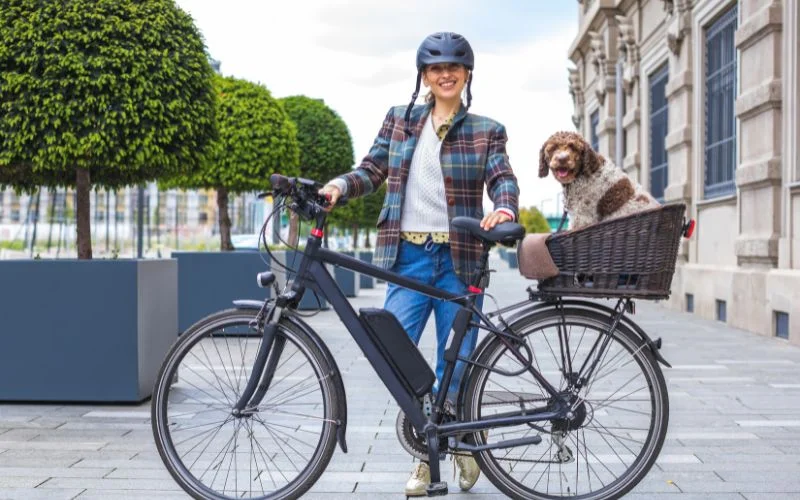
When it comes to electric bike safety, one of the foundational principles is wearing appropriate safety gear. This is your first line of defense against potential accidents and injuries. Electric bikes, with their ability to reach higher speeds than traditional bicycles, require riders to take safety seriously. Here, we’ll delve deeper into the importance of safety gear and the items you should consider for your e-bike adventures.
Head and Body Protection
One of the first and most crucial safety tips for electric bike riders is to wear appropriate safety gear. This includes:
- Helmet: Always wear a certified bicycle helmet to protect your head in case of a fall or collision.
- Protective Clothing: Consider wearing elbow and knee pads, gloves, and reflective clothing to enhance visibility.
Know Your Local Regulations
Understanding and adhering to local regulations is fundamental to electric bike safety. E-bike laws can vary significantly from one region to another, and staying informed about these rules is crucial to ensure a safe and legal riding experience. In this section, we’ll explore the importance of knowing and following local regulations about electric bikes.
Understanding the Rules of the Road
E-bike regulations can vary from place to place, so you must familiarize yourself with local e-bike laws. Some common rules may include:
- Speed Limits: Observe posted speed limits and be aware of any specific speed restrictions for e-bikes in your area.
- Licensing and Age Restrictions: Check if your local jurisdiction requires e-bike riders to have a specific license or adhere to age restrictions.
Master Your E-Bike
Before embarking on your electric bike adventures, it’s essential to master the ins and outs of your e-bike. Understanding how your electric bike operates and gaining confidence in handling it will contribute significantly to your safety on the road. In this section, we’ll explore essential aspects of mastering your e-bike.
Getting to Know Your Bike

Before hitting the road, spend some time getting acquainted with your electric bike:
- Practice Riding: If you’re new to e-bikes, practice riding in a safe, open area to become comfortable with the bike’s handling and electric assist.
- Learn the Controls: Understand how to operate the e-bike’s controls, including the throttle, brakes, and pedal-assist settings.
Stay Aware and Alert
Maintaining a high level of awareness and staying alert while riding your electric bike is paramount to your safety. Unlike traditional bicycles, electric bikes can reach higher speeds, and their acceleration may catch you by surprise if you’re not vigilant. This section will explore strategies to help you stay alert during your e-bike journeys.
Riding Safely on the Road
When riding your electric bike, it’s crucial to stay aware and alert to potential hazards:
- Defensive Riding: Assume that other road users may not see you. Always ride defensively and be prepared for sudden actions by vehicles or pedestrians.
- Use Mirrors: Consider adding mirrors to your e-bike to improve your visibility of traffic behind you.
Ensuring Your Bike’s Safety
Regular maintenance is key to keeping your e-bike in safe working condition:
- Check Tires and Brakes: Inspect your tires for proper inflation and ensure your brakes are functioning correctly.
- Battery Care: Follow the manufacturer’s instructions for safely charging and storing your e-bike’s battery.
Selecting the Perfect E-Bike
Choosing the right e-bike for your needs and riding style is essential when considering electric bike safety. Here are some factors to keep in mind:
Bike Size and Fit
Ensure that your e-bike is the correct size and fit for you. An ill-fitting bike can affect your control and balance, potentially leading to accidents.
Suspension
Consider e-bikes with front or full suspension, especially if you plan to ride on uneven terrain. Proper rest can enhance stability and comfort.
Range
Assess the e-bike’s battery range, ensuring it suits your intended riding distances. Running out of battery mid-ride can be unsafe, especially in remote areas.
Navigating Traffic Safely
When you share the road with other vehicles, practicing safe riding techniques becomes even more critical:
- Use Bike Lanes: Ride in designated bike lanes or bicycle paths to minimize interactions with motor vehicles.
- Signal Clearly: Use hand signals to indicate turns or stops. Ensure that drivers and other riders understand your intentions.
- Be Predictable: Maintain a consistent speed and follow traffic rules. Avoid sudden maneuvers or weaving in and out of traffic.
E-Bike Safety After Dark

Riding your e-bike at night or in low-light conditions requires extra precautions to stay safe:
Lights and Reflectors
Equip your e-bike with front and rear lights and reflective materials. This increases your visibility to others on the road.
Bright Clothing
Wear brightly colored or reflective clothing to make yourself more noticeable to drivers.
Slow Down
Reduce your speed at night, especially on unfamiliar routes, to give yourself more reaction time.
Maintaining Your E-Bike for Longevity and Safety
A well-maintained e-bike not only lasts longer but is also safer to ride:
Regular Checkups
Schedule regular maintenance checks with a qualified technician to ensure your e-bike is in optimal condition.
Tire Pressure
Check tire pressure before each ride. Properly inflated tires improve control and reduce the risk of flats.
Clean and Lubricate
Keep your e-bike clean and lubricate the chain and moving parts as the manufacturer recommends.
Conclusion
Electric bike safety is paramount for riders of all experience levels. By understanding your e-bike type, following safety tips, and staying informed about local regulations, you can enjoy the benefits of e-biking while minimizing risks. Always prioritize safety, wear protective gear, and remain vigilant on the road. Happy e-biking!
FAQs
Are e-bikes safe for children to ride?
E-bikes are generally safe for children as long as they are of an appropriate age and size to handle the bike. Always follow local regulations and ensure your child wears the necessary safety gear.
Can I ride my e-bike in the rain?
You can ride your e-bike in the rain, but be cautious. Wet roads can reduce traction, so ride at lower speeds and brake gently. Ensure your e-bike’s electrical components are properly sealed against water ingress.
Are there special considerations for e-bike storage?
Keep your e-bike in a dry, cool place away from extreme temperatures. If storing for an extended period, partially charge the battery and consult your manufacturer’s guidelines for optimal storage conditions.
