
City Bike vs. Road Bike: A Comprehensive Comparison
Cycling enthusiasts often find themselves at a crossroads when choosing between a city bike and a road bike. Each of these two-wheeled wonders serves a distinct purpose, and understanding their differences is crucial for making an informed choice. In this article, we will delve into the world of city and road bikes, highlighting their key features, advantages, and drawbacks to help you select the perfect companion for your cycling adventures.
Purpose and Usage
Before we compare city bikes and road bikes, it’s essential to understand their primary purposes and typical use cases.
- City Bikes (Commuter Bikes): City bikes, commuter bikes, are meticulously designed for urban environments. They cater to the daily needs of city dwellers and are ideal for short to medium-distance rides. These bikes prioritize comfort, practicality, and versatility, making them the go-to choice for those navigating city streets.
- Road Bikes: Road bikes, in contrast, are engineered for speed and efficiency on smooth, paved roads. They are the preferred choice of cyclists who seek to cover long distances quickly and efficiently. Road bikes are often associated with recreational group rides, rigorous fitness training, and competitive road racing.
Key Differences
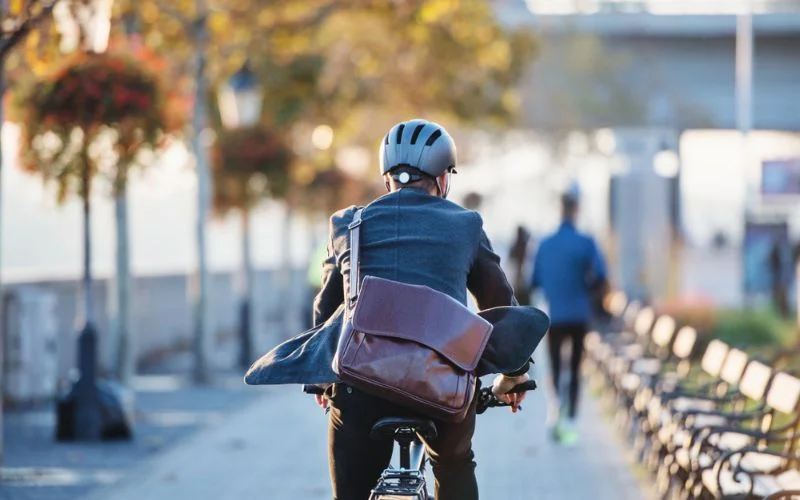
Now, let’s delve deeper into the core differences between city bikes and road bikes:
Frame Geometry and Design
- City Bikes: City bikes boast an upright riding position with a relaxed frame geometry. This design prioritizes comfort and gives riders an excellent view of their surroundings, making them ideal for navigating busy city streets.
- Road Bikes: Road bikes are designed with an aggressive, aerodynamic frame geometry. The dropped handlebars and elongated frames enable riders to maintain a low and streamlined position, reducing wind resistance and enhancing speed.
Tires
- City Bikes: City bikes come equipped with wider tires that offer stability and a smooth ride, even on uneven urban roads. These tires are designed to be puncture-resistant, reducing the likelihood of flats during city commutes.
- Road Bikes: Road bikes feature narrow, high-pressure tires that minimize rolling resistance, allowing higher speeds on well-paved roads. However, they are more vulnerable to punctures and are less suitable for rough terrains.
Gearing
- City Bikes: City bikes typically have a simpler gear system with fewer speeds. This straightforward setup suits city commuting, where riders encounter relatively flat terrain and shorter distances.
- Road Bikes: Road bikes are equipped with a wide range of gears, enabling cyclists to tackle varying terrains and gradients. This versatility is especially valuable for long-distance rides and routes with challenging inclines.
Brakes
- City Bikes: City bikes often feature coaster or rim brakes, which are effective for casual city riding and require minimal maintenance.
- Road Bikes: Road bikes are equipped with high-performance caliper or disc brakes that provide superior stopping power, essential for swift descents and sudden stops during road racing.
Which Bike Is Right for You?
Choosing between a city bike and a road bike hinges on your preferences and intended use. Here’s a breakdown to help you make the right decision:
- Comfort and Convenience: Opt for a city bike if your primary concern is comfortable commuting, running errands, and leisurely rides around the city. The upright riding position and wider tires ensure a smooth and enjoyable experience, even during short trips.
- Speed and Efficiency: Choose a road bike if you’re an enthusiast aiming to cover long distances quickly or participating in road racing. The aerodynamic design and narrow tires facilitate higher speeds on well-maintained roads.
- Versatility: If you want a bike that can adapt to various conditions, consider a hybrid bike. These bikes combine elements of both city and road bikes, offering a versatile option for different riding scenarios.
Maintenance and Cost Considerations
In addition to the fundamental differences between city and road bikes, it’s essential to consider maintenance and cost factors when deciding which is right for you.
Maintenance
- City Bikes: City bikes typically have simpler components designed for durability and reliability. They often require less maintenance than road bikes, making them a cost-effective choice in the long run. Routine maintenance for city bikes involves basic tasks like inflating tires and ensuring brakes function correctly.
- Road Bikes: Road bikes, with their more complex gear systems and high-performance components, may require more frequent maintenance. Regular cleaning, lubrication, and tuning are essential to keep them in optimal condition. Riders often check tire pressure, adjust gears, and regularly inspect brake pads on road bikes.
Cost
- City Bikes: City bikes are generally more budget-friendly compared to road bikes. They are an excellent choice if you’re looking for an affordable and practical means of transportation for daily commutes and leisurely rides. The initial purchase price and ongoing maintenance costs are typically lower.
- Road Bikes: Road bikes can have a wide price range, with high-end models commanding a significant investment. If you’re serious about road cycling and want the latest technology and materials, be prepared to spend more upfront. Road bikes also tend to have higher ongoing maintenance costs due to their intricate components.
Accessories and Customization

Both city bikes and road bikes offer opportunities for customization and the addition of accessories to enhance your riding experience. Here are some common accessories to consider:
- City Bikes: Accessories like fenders, racks, and baskets can be easily added to city bikes to make them more practical for commuting and running errands. Lights, bells, and comfortable saddles are also popular additions. You can personalize your city bike to suit your daily needs and style.
- Road Bikes: To improve performance, road bikes can benefit from accessories like aerodynamic handlebars, aero helmets, and clipless pedals. A good set of lights and a saddlebag for essentials are also essential for long rides. Customization on road bikes often focuses on optimizing aerodynamics and weight.
Conclusion
There is no one-size-fits-all answer in the city bike vs. road bike debate. The choice ultimately depends on your specific needs, preferences, and the riding you plan to undertake. To recap:
- Choose a city bike if your priorities are comfort, convenience, and versatility for city commuting, short trips, and leisurely rides.
- Opt for a road bike if you’re looking for speed, efficiency, and the ability to cover long distances quickly on well-maintained roads. Road bikes are favored for recreational group rides, fitness training, and competitive racing.
FAQs
1. Can I use a road bike for city commuting?
Yes, you can use a road bike for city commuting; however, there are some considerations. Road bikes excel on smooth roads, so if your commute includes rough terrain or potholes, you may want to invest in wider tires or consider a city bike for added comfort and durability.
2. Are city bikes suitable for long-distance rides?
While city bikes are designed primarily for shorter commutes and urban riding, they can handle longer rides. However, the more upright riding position may lead to discomfort on extended journeys. If you plan to embark on lengthy trips, a road bike with its aerodynamic design might be a more suitable choice.
3. Which bike is better for a beginner cyclist?
A city bike is an excellent starting point for beginners due to its stability, comfort, and ease of use. It’s a great option for building confidence and developing cycling skills before considering a road bike, which demands a more aggressive riding position and offers higher speeds.
