
Trail Bike vs. Mountain Bike: Choosing the Right Ride
When it comes to hitting the trails and exploring the great outdoors, one of the most important decisions you’ll make is choosing the right bike. While many people use the terms “trail bike” and “mountain bike” interchangeably, they are distinct categories of bicycles designed for different riding experiences. This comprehensive guide will delve into the key differences between trail and mountain bikes, helping you make an informed decision that aligns with your biking goals.
Understanding the Basics

Before we dive into the specifics, let’s clarify what each type of bike entails.
Trail Bike
A trail bike is a versatile and all-purpose mountain bike designed to handle a wide range of terrain. These bikes are often chosen by riders who enjoy uphill climbs and downhill descents. Trail bikes typically feature moderate suspension travel (120mm to 150mm) and are known for their agility and efficiency. They strike a balance between climbing prowess and downhill stability, making them ideal for a variety of trails.
Mountain Bike
Mountain bikes, on the other hand, are a broader category encompassing various subtypes, including cross-country (XC), trail, enduro, and downhill bikes. This article will focus on trail bikes, a specific subset of mountain bikes. Mountain bikes generally have diverse suspension setups, ranging from hardtail (front suspension only) to full suspension (front and rear suspension). They are designed to tackle rugged and challenging terrains.
Now that we understand these two bike types, let’s explore their differences more thoroughly.
Suspension

Suspension is critical to any mountain bike, impacting comfort, traction, and control. Trail bikes typically feature moderate suspension travel to handle various terrains. In contrast, mountain bikes encompass a wide spectrum, from hardtails with front suspension to full-suspension setups designed for extreme descents.
Trail Bike
Trail bikes typically come with full suspension systems. These systems feature front and rear shocks that absorb impacts and provide a smoother ride. The suspension travel in trail bikes is usually moderate, which strikes a balance between comfort and efficiency. This allows riders to navigate rocky or uneven terrain without feeling every bump.
Mountain Bike
As a broader category, mountain bikes can have varying suspension setups depending on the specific subtype. Cross-country bikes may have minimal suspension travel to maximize efficiency, while enduro and downhill bikes often travel longer to handle extreme descents. Some mountain bikes, like hardtails, only have front suspension, while others have both front and rear suspension.
Geometry
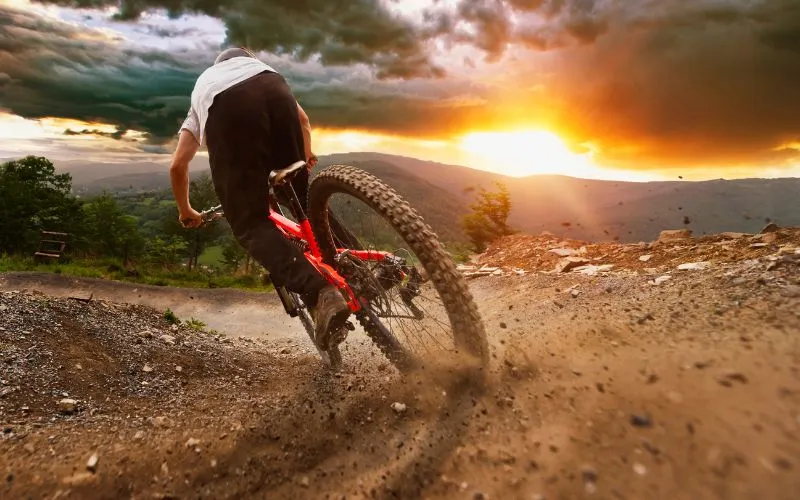
The geometry of a bike determines its handling characteristics. Trail bikes strike a balance between stability on descents and efficient climbing with relaxed head tube angles and relatively steep seat tube angles. Mountain bikes offer diverse geometries tailored to specific riding styles and terrains.
Trail Bike
Trail bikes are known for their versatile geometry. They typically have a relaxed head tube angle, which provides stability on descents, and a relatively steep seat tube angle, aiding in efficient climbing. The wheelbase of a trail bike is usually longer than that of a pure cross-country bike but shorter than an enduro or downhill bike. This geometry allows riders to tackle a variety of trails confidently.
Mountain Bike
Mountain bikes come in various geometries to suit specific riding styles. Cross-country bikes have steeper angles to enhance climbing performance, while downhill bikes have slack angles for stability during descents. Trail bikes, being part of the mountain bike category, have geometries that balance climbing and descending capabilities. They are more adaptable to a wide range of trail conditions.
Tires

Tire selection plays a crucial role in a bike’s performance. Trail bikes come equipped with medium-width tires that compromise grip and rolling resistance, suitable for various terrains. Mountain bikes offer a range of tire options, with cross-country tires favoring speed and enduro tires emphasizing grip.
Trail Bike
Trail bikes are equipped with tires that balance grip and rolling resistance. They typically have medium-width tires with tread patterns optimized for all-around performance. This allows riders to confidently tackle both smooth and rough terrain without feeling sluggish on the climbs.
Mountain Bike
Mountain bike tires can vary widely depending on the subtype. Cross-country tires are designed for speed and often feature lower-profile treads, while enduro and downhill tires have aggressive treads for maximum grip. The choice of tires on a mountain bike can significantly impact its performance in different terrains.
Weight
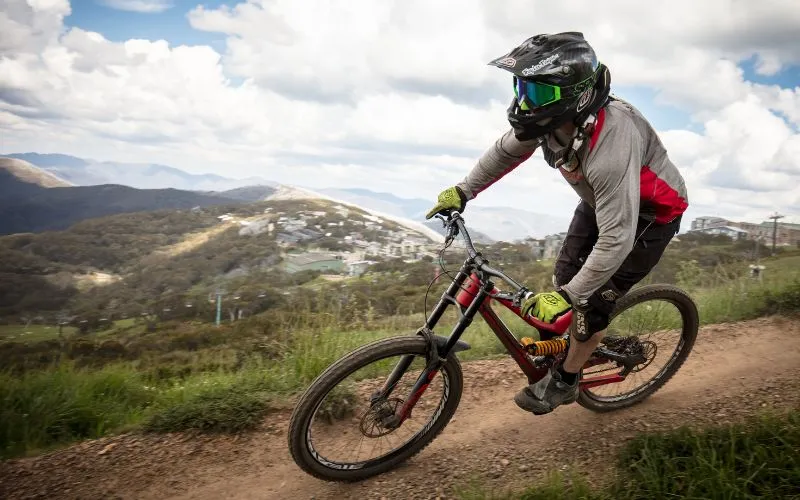
The weight of a bike affects its maneuverability and efficiency. Trail bikes are designed to be lightweight and durable, making them agile on technical trails. Mountain bikes vary in weight, with cross-country models prioritizing minimal weight and others, like downhill bikes, being sturdier but heavier.
Trail Bike
Trail bikes are designed to be lightweight and agile. Their frames are often constructed from materials like aluminum or carbon fiber to reduce weight while maintaining strength. This makes them easier to maneuver on technical trails and more efficient for climbing.
Mountain Bike
Mountain bikes can vary in weight depending on their intended use. Cross-country bikes prioritize weight savings, while enduro and downhill bikes may have heavier frames and components to withstand the rigors of extreme descents.
Maintenance and Durability

Maintenance requirements and durability differ between bike types. Trail bikes, being versatile, often require less maintenance than specialized mountain bikes designed for specific disciplines. Durability depends on the materials and construction used in the frame and components.
Trail Bike
Trail bikes are designed with a balance of durability and weight in mind. They are built to withstand the rigors of off-road riding, including rough trails and occasional drops. However, they may require less maintenance than specialized mountain bikes because they are intended for various riding conditions.
Mountain Bike
The maintenance requirements of mountain bikes can vary depending on the type. Cross-country bikes, being lightweight, may require less maintenance, while enduro and downhill bikes, which endure more abuse, may need more frequent attention. It’s essential to regularly inspect and maintain your mountain bike to ensure it performs at its best.
Price Range

Price range is a crucial consideration when choosing a bike. Trail bikes are generally more affordable, making them an attractive option for riders on a budget. Mountain bikes encompass a wide spectrum of prices, from budget-friendly to premium models, depending on their intended use and features.
Trail Bike
Trail bikes often come in a more affordable price range compared to specialized mountain bikes. This makes them an attractive option for riders who want a capable bike without breaking the bank. Entry-level trail bikes can be relatively budget-friendly while still providing excellent performance.
Mountain Bike
Mountain bikes have many price points, from budget-friendly options to premium models. Specialized mountain bikes designed for disciplines like downhill or enduro can be expensive. Your budget will play a significant role in determining which mountain bike suits your needs.
Conclusion
In conclusion, choosing between a trail bike and a mountain bike depends on your riding preferences and goals. Both bike types offer unique advantages, and selecting the right one will ensure an enjoyable and satisfying trail experience. Remember to test-ride different bikes and consult with experts at your local bike shop to find the perfect fit for your adventures in the great outdoors. Happy riding!
FAQs
1. Which bike is better for beginners, a trail bike or a mountain bike?
For beginners, a trail bike is often a more suitable choice. Its versatile nature makes it forgiving for riders still developing their skills. Trail bikes balance climbing efficiency and downhill stability, making them a great all-around option for newcomers to the sport.
2. Can I use a trail bike for downhill riding?
While trail bikes are versatile and can handle a variety of terrains, they may not provide the same level of performance and durability as dedicated downhill bikes on extremely steep and technical downhill courses. If downhill riding is your primary focus, a purpose-built bike would be better.
3. What factors should I consider when choosing between a trail bike and a mountain bike?
Consider your riding style and the types of trails you plan to tackle. A trail bike is a versatile choice if you prefer a mix of climbs and descents on various terrains. If you have specific riding goals, such as cross-country racing or extreme downhill descents, you may want to explore other mountain bike subtypes tailored to those disciplines.
