
Electric Mountain Bike Guide: Benefits and Top Models Reviewed
Whether you are an experienced cyclist with an adrenaline addiction or a nature lover keen on exploring off-the-beaten-path, electric mountain bikes have revolutionized outdoor adventures, leaving no hill too steep and no path too remote. In the rapidly evolving e-bike powerhouse, staying updated and knowledgeable about the latest features and benefits these high-tech beasts offer is vital. Gear up as we take you through the innovative world of E-MTBs, unlock their potential, and delve into reviews of this year’s top models. Unleash your cycling prowess like never before!
When choosing an electric mountain bike, consider the motor system, battery life and power, suspension system, frame material, wheel size, and overall weight—selecting a bike that is right for your skill level and intended use, whether casual or serious trail riding, is important. We recommend researching and test-riding multiple models before making a decision.
Understanding Electric Mountain Bikes
Electric mountain bikes (e-MTBs) have gained significant popularity in recent years, revolutionizing how people experience off-road adventures. These bikes provide an electric assist system that boosts your power, making it easier to conquer steep climbs and venture on longer rides.
So, what sets electric mountain bikes apart from their traditional counterparts? The key difference lies in integrating a pedal-assist motor, which provides power when you pedal and switches off support when you stop pedaling. This feature ensures a natural-feeling ride, miming the sensation of riding a regular mountain bike while providing an added boost.
| Feature | Description |
| Motor Location | Mid-drive motors near the front chainring ensure a stable center of gravity for improved balance and handling. |
| Battery Certification | Trek e-bike batteries are third-party certified for safety and durability. Used batteries can be safely recycled through a partnership with Call2Recycle. |
| Drive System Partners | Top e-bike drive system manufacturers partnered with Trek include Bosch and TQ. Bosch offers trusted technology, durability, Removable Integrated Battery (RIB) systems, and smart assist. TQ provides a lightweight motor with high torque, power, speed, and quiet operation. |
When choosing an electric mountain bike, understanding the components related to motors, batteries, and range is crucial.
Components: Motors, Batteries, and Range
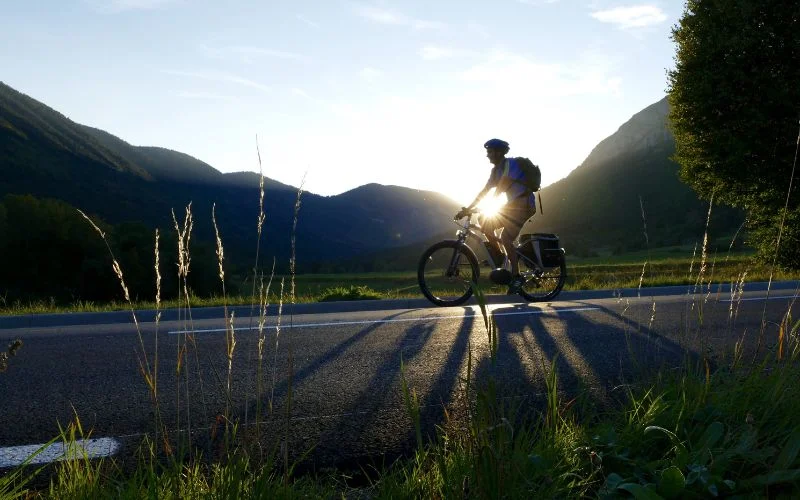
The heart of any electric mountain bike lies in its electric motor system. Mid-drive motors are strategically placed at the cycle’s center near the front chainring to offer a stable center of gravity that enhances balance and handling on various trails. These mid-drive motors also provide reliable power transfer and enable efficient energy usage.
| Model | Assist Speed | Range | Battery Size | Torque |
| Fuel EXe | Up to 20 mph | 2-5 hours | 360Wh | 50Nm |
| Rail | Up to 20 mph | Up to 6 hours | 750Wh or 500Wh* | 85Nm |
| Powerfly | Up to 20 mph | 3-5 hours | 500Wh or 625Wh* | – |
| Lightest Full Suspension e-MTB | Up to 20 mph | 3-5 hours | 250Wh | – |
For instance, the Fuel EXe model offers ultra-quiet assist up to a speed of 20 mph, providing a range of approximately 2 to 5 hours with its 360Wh battery and delivering a torque of 50Nm. On the other hand, the Rail model excels in longer rides with its impressive range of up to 6 hours, offering both a high-capacity battery (750Wh or optional lower-capacity at 500Wh) and higher torque at around 85Nm.
The battery size is an essential factor to consider as it determines the bike’s overall range and duration of support. Depending on the model, electric mountain bikes may feature different battery sizes, such as those found on the Rail (750Wh or optional lower-capacity at 500Wh), Powerfly (500Wh or optional higher-capacity at 625Wh), and the Lightest Full Suspension e-MTB (250Wh).
It’s worth noting that the exact range of an electric mountain bike can vary depending on factors like terrain, rider weight, assistance level chosen, and cycle usage. These specifications provide a general guideline for understanding what e-MTB models can offer.
While electric mountain bikes offer tremendous benefits, some argue that they take away the physical challenge and sense of accomplishment of traditional mountain biking. However, e-MTB enthusiasts counter this argument by highlighting how electric assistance expands accessibility to people of varying fitness levels and allows for longer rides and exploration of previously inaccessible trails. Choosing between traditional or electric mountain biking is a personal preference and goal.
With an understanding of electric mountain bike components, let’s explore today’s different varieties.
Varieties: Pedal Assist vs. Fully Motorized
Electric mountain bikes (e-MTBs) come in different varieties, each with unique features and functions. Two popular types are pedal assist and fully motorized e-MTBs. Let’s explore the differences between these two varieties.
Pedal assist e-MTBs, also known as pedelecs, are designed to provide an electric boost to amplify the rider’s pedaling power. These bikes incorporate a mid-drive motor located near the front chainring. The motor activates when the rider pedals, providing smooth assistance matching their effort. The support automatically adjusts according to how hard the rider pedals, delivering a natural feeling ride. This technology allows riders to conquer steep climbs and enjoy longer rides without fatigue easily. Trek e-MTBs, for instance, use pedal assist motors from top manufacturers like Bosch and TQ.
On the other hand, fully motorized e-MTBs operate with a throttle-based system where the rider doesn’t need to pedal at all. These bikes are equipped with powerful motors that propel them forward with minimal effort on the part of the rider. While fully motorized e-MTBs can be exhilarating and convenient in certain scenarios, they are not as common in mountain biking. Riders seeking a more immersive and physically engaging experience typically lean towards pedal-assist e-MTBs due to their ability to enhance pedaling power rather than relying solely on a motor.
When choosing between pedal assist and fully motorized e-MTBs, it is essential to consider your desired level of physical exertion and engagement with the ride. Pedal-assist e-MTBs allow riders to control how much assistance they receive while actively propelling themselves forward. Fully motorized e-MTBs, on the other hand, may be suitable for riders who prefer a more effortless and leisurely experience.
Now that we have explored the different varieties of e-MTBs let’s dive into the benefits of these electric bikes for mountain biking enthusiasts.
Benefits of Electric Mountain Bikes
Electric mountain bikes offer a range of benefits that enhance the overall riding experience, making them an appealing choice for outdoor enthusiasts.
One notable benefit is that e-MTBs enable riders to conquer steep climbs and embark on longer rides e-bike easily. The pedal assist feature boosts the rider’s pedaling power, allowing them to tackle challenging terrains that typically require significant physical exertion. This increased assistance opens new possibilities for exploration and enables riders to elevate their fitness levels and stamina through longer and more intensive rides.
Imagine climbing a steep mountain trail that has always pushed your limits. With an electric mountain bike, you can enjoy the ride without feeling completely drained when you reach the top. You’ll have more energy to soak in the breathtaking views and continue exploring, expanding your horizons as a rider.
Another advantage of e-MTBs is their ability to handle a variety of terrains. With their rugged frames and suspension systems designed for rocky trails, these bikes excel in off-road conditions. The electric assist system allows riders to smoothly transition from flat sections to uphill climbs and maneuver through rough terrain more efficiently, enhancing control and stability throughout their journey.
Critics argue that electric mountain bikes make riding too easy and remove the raw challenge traditionally associated with mountain biking. However, proponents contend that e-MTBs extend access to trails, enabling more people to enjoy outdoor adventures regardless of fitness levels or physical limitations. It is crucial to balance preserving the essence of traditional mountain biking and embracing the inclusivity and versatility of e-MTBs.
As we have discussed the benefits of electric mountain bikes, it’s clear that these innovative machines have the potential to revolutionize the outdoor adventure experience. Whether you’re seeking to push your physical limits, explore new terrain, or enhance your overall enjoyment of mountain biking, e-MTBs can be a valuable addition to your gear collection.
Conquer Steep Climbs and Longer Rides
Electric mountain bikes (e-MTBs) offer an exhilarating experience combining fitness and adventure when exploring the great outdoors on two wheels. These bikes provide an electric assist system, boosting your power and making it easier to conquer steep climbs and embark on longer rides. As you pedal, the pedal assist motors provide power, seamlessly switching off support when you stop pedaling for a natural-feeling ride.
Electric mountain bikes are specifically built to handle rough trails, with rock-gobbling suspension systems and rugged frames that can withstand the demands of off-road terrain. Trek, a reputable brand in e-MTBs, ensures a superior riding experience by incorporating mid-drive motors at the bike’s center near the front chainring. This placement provides a stable center of gravity, enhancing balance and control as you navigate various terrains.
For safety and durability, Trek e-bike batteries are third-party certified. Additionally, Trek’s commitment to sustainability extends to battery disposal – used batteries can be safely recycled through their partnership with Call2Recycle.
Now, let’s take a moment to dive into some of the top models offered by Trek that can elevate your fitness journey and adventurous spirit on the trail.
- Electric mountain bikes offer an exciting way to explore the outdoors while providing an electric assist system to conquer steep climbs and longer rides. Trek’s mid-drive motors, stable center of gravity, and rugged frames make for a superior riding experience on rough trails. Safety and sustainability are prioritized with third-party certified batteries and a recycling partnership with Call2Recycle. Cycling enthusiasts can elevate their fitness journey and adventurous spirit on the trail with Trek’s top e-MTB models.
Essential Factors in Choosing an Electric Mountain Bike
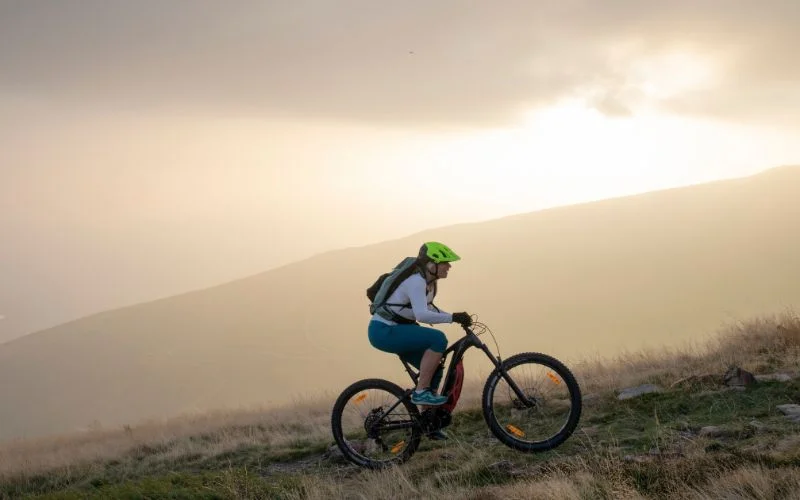
Several essential factors need consideration when selecting the perfect electric mountain bike.
Firstly, determining your riding style is crucial. Are you more inclined towards cross-country rides or tackling more aggressive downhill trails? Understanding your preferred style will help narrow down choices that cater specifically to your needs.
Another vital factor is battery range. Consider how far you want to venture on your e-MTB without worrying about running out of juice. Different models offer varying degrees depending on terrain, rider weight, assist level, and battery capacity. Weighing these factors against your typical riding habits will help you choose an e-MTB that aligns with your intended usage.
Besides range, battery size should also be taken into account. Trek’s top models boast different battery capacities, such as the Fuel EXe with a 360Wh battery size, the Rail with options for 750Wh or 500Wh, the Powerfly with options for 500Wh or 625Wh, and the lightest full suspension e-MTB with a 250Wh battery. The battery size will affect both the range and weight of the bike.
Next, consider motor specifications. Trek partners with top e-bike drive system manufacturers like Bosch and TQ, ensuring trusted technology and durability. Bosch boasts features such as a Removable Integrated Battery (RIB) system and smart assist, while TQ provides lightweight motors with high torque, power, speed, and quiet operation. Understanding these distinctions can help you decide based on your desired riding experience.
Choosing an electric mountain bike is akin to selecting a trusty steed to accompany you on thrilling adventures. It requires careful consideration of various factors to ensure optimal performance and enjoyment.
With a better understanding of essential factors to consider when choosing a mountain e-bike, let’s review some of the top models Trek offers.
- As per a study by Technavio in 2019, it was projected that the global market size for Electric Mountain Bikes (e-MTBs) will grow by over 400 thousand units from 2020 to 2024.
- Research conducted by Market Reports World estimates that the electric bike industry, including e-MTBs, is slated to grow annually by 7.49% till 2026, indicating a burgeoning interest in this field.
- Bosch and Shimano reportedly have a major market share in mid-drive motors with approximately 80% control, as stated in an industry report, highlighting their dominance in powering top-class e-MTBs.
Reviewing Top Electric Mountain Bike Models
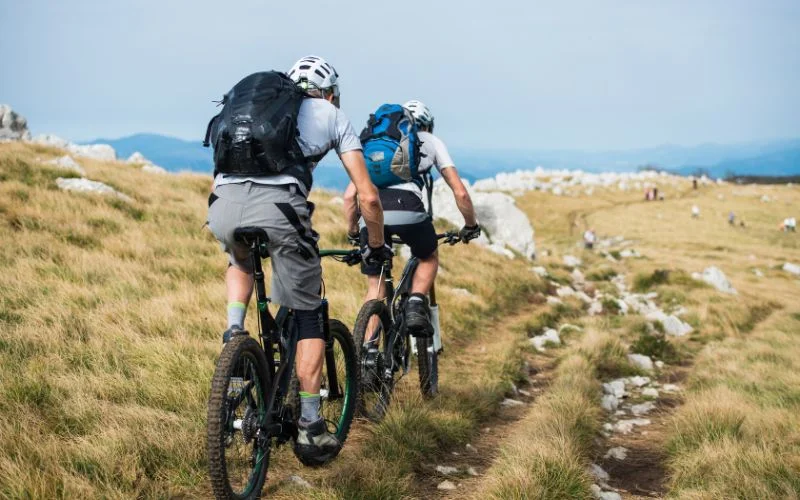
When it comes to choosing the perfect electric mountain bike, there are several top models on the market that stand out for their impressive features and performance. Let’s closely examine some of these models and what sets them apart.
One highly recommended option is the Trek Fuel EXe. This model appeals to riders who crave a traditional mountain bike feel combined with the benefits of an electric motor. The Trek Fuel EXe boasts a smooth, silent engine, excellent suspension, and category-leading integration. Riders can expect a comfortable and controlled ride on various terrains. However, it’s important to note that this model may have less torque and a shorter range than its competition. Additionally, it comes with a steep price tag, which may deter some potential buyers.
For those seeking beastly agility on tough trails, the Ibis Oso comes highly recommended. This model provides good traction and pep, thanks to its Bosch Performance CX motor and 750-watt-hour battery (625 on the small frame). The Ibis Oso offers an incredible riding experience for those looking to conquer challenging terrain. However, one potential concern with this model is its handlebar-mounted display, which may be prone to damage in the event of a crash.
If high-speed bombing is your preferred style, then the Evil Apocalypse should be on your radar. Equipped with Shimano’s EP8 motor and a 630-watt-hour battery, this model ensures powerful performance while maintaining stability during steep climbs. Furthermore, its top-notch suspension system enhances control and comfort on rough trails. Remember that the Evil Apocalypse only comes in one build kit option and has a higher price point than other models in its segment.
For riders seeking stability at speed without sacrificing agility, the Scor 4060 Z LT is an excellent choice. This model features an agile design, allowing nimble maneuvering while providing stability during high-speed descents. Additionally, it comes at a relatively cheaper price than other bikes on the list. However, some riders may find that the shorter chainstay of the Scor 4060 Z LT affects its handling through large compressions.
Last, let’s not forget the Specialized Turbo Levo SL. What sets this model apart is its mixed wheels/dual 29″ compatibility, offering versatility to riders. The Specialized SL 1.2 motor with 50 Nm torque and 320 W output ensures powerful assistance during rides. However, it’s important to note that the price range for the Specialized Turbo Levo SL varies from $8,000 to $15,000, making it a more premium option in the market.
Choosing the right electric mountain bike depends on your preferences and riding style. When deciding, consider factors such as motor performance, battery range, suspension quality, and pricing. It’s also always a good idea to test-ride different models before committing to ensure the bike feels comfortable and suits your needs perfectly.
