
Navigating the Electric Bike Laws UK: A Comprehensive Guide
In recent years, electric bikes (e-bikes) have surged in popularity as a sustainable and convenient mode of transportation. However, like any form of transport, e-bikes in the United Kingdom are subject to specific regulations and laws. In this comprehensive guide, we’ll explore the electric bike laws in the UK, covering everything from classifications to age restrictions and safety standards.
Electric Bike
Electric bikes (e-bikes) transform people’s commute and exploration in the United Kingdom. However, with this innovative mode of transportation come specific rules and safety standards that riders must know. This comprehensive guide provides a thorough overview of electric bikes in the UK, covering legal requirements, classifications, safety standards, and everything you need to know to enjoy your e-bike responsibly.
Types of Electric Bikes
Before diving into the legal aspects, let’s familiarize ourselves with the different types of electric bikes:
E-bikes: E-bikes are the most common type and provide pedal assist to enhance the rider’s efforts. They typically have a maximum power output of 250 watts and a top speed of 15.5 mph (25 km/h).
Pedelecs: Similar to e-bikes, pedelecs also offer pedal assist, but they are equipped with sensors that activate the motor when the rider pedals. They adhere to the same power and speed restrictions as e-bikes.
Speed Pedelecs: Speed pedelecs, also known as S-pedelecs, offer higher power and speed capabilities, with motors up to 500 watts and top speeds of 28 mph (45 km/h). They are subject to different regulations.
Legal Requirements for Riding Electric Bikes
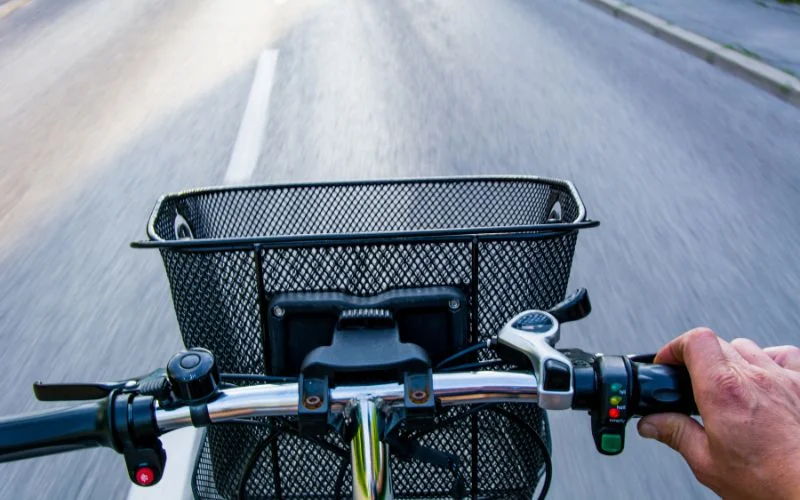
Electric bikes (e-bikes) transform people’s commute and exploration in the United Kingdom. To fully enjoy the benefits of e-biking while staying within the bounds of the law, it’s essential to understand the legal requirements. This comprehensive guide dives deep into the legal aspects of riding electric bikes in the UK, including age restrictions, licensing, insurance, and helmet laws.
Age Restrictions for Electric Bike Riders
One of the most common questions regarding e-bike use in the UK is, “What are the age restrictions?” Here’s the answer:
- Riders must be 14 years old to operate low-powered electric bikes (EAPCs) in the UK.
- The minimum age requirement for high-powered electric bikes (Non-EPCs) is 16.
Licensing and Insurance Requirements
Another crucial aspect of electric bike laws is understanding whether you need a license or insurance:
- In most cases, riders of electric bikes do not require a specific request.
- While insurance is not mandatory for most e-bike riders, protecting against potential accidents or liability issues is advisable, especially for high-powered electric bikes.
Helmet Laws
Helmet laws are often a point of concern for riders. Here’s the scoop:
- In the UK, wearing a helmet is not legally required for electric bike riders. However, it is strongly recommended for safety reasons.
Road Rules and Electric Bikes
As electric bikes (e-bikes) gain popularity in the UK, it’s crucial to grasp the road rules and regulations governing their use. This comprehensive guide delves into the specifics of riding electric bikes on UK roads, covering where you can ride, speed limits, cycle lanes, and essential safety considerations.
Where Electric Bikes Can Be Ridden
Understanding where you can ride your e-bike is crucial:
- Electric bikes can typically be ridden on public roads, cycle paths, and cycle lanes.
- However, they are not allowed on motorways.
Speed Limits for Electric Bikes
You might wonder if there are specific speed limits for electric bikes:
- Electric bikes are subject to the same speed limits as regular bicycles. They should not exceed 15.5 mph (25 km/h) on public roads.
Riding on Cycle Lanes and Bike Paths
To ensure safety and adherence to the law, riders should:
- Use designated cycle lanes and paths to avoid congested roads and provide a smoother riding experience whenever possible.
Electric Bike Safety Standards

As electric bikes (e-bikes) become more prevalent on UK roads, ensuring their safety is paramount. This comprehensive guide delves into the safety standards that e-bikes must meet to comply with UK regulations. From lighting to reflectors and maintenance, understanding these standards is crucial for safe and legal e-bike riding.
Importance of Complying with Safety Standards
Compliance with safety standards is essential to ensure your e-bike is safe for use:
- Adhering to safety standards ensures your safety and helps maintain a positive image of e-bike riders as responsible road users.
Electric Bike Meets Safety Requirements
Here are some practical tips for keeping your e-bike in compliance with safety standards:
- Regularly inspect your electric bike for signs of wear and tear.
- Ensure that your bike’s lighting and reflectors meet legal requirements for visibility.
Pedal Assistance and Throttle Control
Electric bikes (e-bikes) offer various modes of operation, including pedal assistance and throttle control. This in-depth guide explores the differences between these modes and how they affect the legal aspects of riding e-bikes in the UK. Understanding these modes is essential for safe and lawful riding, whether you’re a novice e-bike rider or a seasoned enthusiast.
Difference Pedal-Assist and Throttle-Controlled Electric Bikes
Understanding the mode of your e-bike is crucial:
- Pedal-assist bikes provide electric assistance only when the rider is pedaling, promoting a more active riding experience.
- Throttle-controlled bikes can be propelled without pedaling, offering a more relaxed riding style.
Modes Affect Electric Bike Laws
Knowing the mode of your e-bike is essential because it can influence where and how you can ride it:
- Throttle-controlled e-bikes may have different regulations than pedal-assist models, so it’s crucial to be aware of the distinctions.
Legality of Modifying Electric Bikes
Modifying your e-bike can have legal consequences:
- Changing your electric bike in ways that exceed legal power and speed limits may result in penalties and voided warranties.
Risks and Consequences of Illegal Modifications
It’s essential to be aware of the potential risks and consequences of modifying your e-bike beyond legal limits:
- Illegal modifications can lead to legal issues and compromise safety and performance.
Importing and Selling Electric Bikes
Businesses involved in importing and selling electric bikes must adhere to specific rules:
- Ensuring that the electric bikes they sell meet UK safety and legal requirements is crucial.
Compliance with Consumer Protection Laws
In addition to safety regulations, businesses should also comply with consumer protection laws:
- These laws protect the rights and interests of customers and provide recourse in case of disputes.
Fines and Penalties
Understanding the potential penalties for non-compliance is vital:
- Riders who violate electric bike laws may face fines, points on their driving license, or even prosecution in severe cases.
The Impact of Non-Compliance
Non-compliance can have long-term consequences:
- Violations of electric bike laws may impact your driving record, potentially affecting your ability to obtain other licenses.
Riding Electric Bikes in Public Spaces

Understanding the rules for riding in various public spaces is essential:
- Riders should respect laws and restrictions in public areas to ensure the safety of pedestrians and other users.
Respecting the Rights of Pedestrians
Prioritizing pedestrian safety is a key responsibility for e-bike riders:
- Giving pedestrians the right of way and exercising caution in shared spaces is essential to maintain harmony on the road.
Electric Bike Maintenance and Inspection
Routine maintenance tasks are crucial for safe and smooth riding:
- Regularly checking brakes, tires, and electrical components can help ensure your e-bike remains roadworthy.
Inspections by Law Enforcement
Law enforcement may conduct inspections to ensure compliance with legal standards:
- Preparing for inspections and ensuring your e-bike meets legal requirements can help avoid legal issues.
Recent Changes in Electric Bike Legislation
Legislation can change, so staying informed is essential:
- Keeping up-to-date with the latest regulations ensures you ride your e-bike by the law.
Conclusion
In conclusion, understanding and adhering to electric bike laws in the UK are essential for safe and lawful e-bike riding. By following these rules and regulations, you can enjoy the benefits of electric bikes while contributing to a safer and more sustainable transportation landscape.
FAQs
1. What are the age restrictions for riding electric bikes in the UK?
- Riders must be 14 years old to operate low-powered electric bikes (EAPCs) in the UK.
- The minimum age requirement for high-powered electric bikes (Non-EPCs) is 16.
2. Do I need insurance to ride an electric bike in the UK?
Insurance is not mandatory for most electric bike riders in the UK. However, it is advisable to protect against potential accidents or liability issues, especially for high-powered electric bikes.
