
Electric Bike Laws in France: A Comprehensive Guide
With the rapid growth of electric bikes (e-bikes) across the globe, understanding the regulations surrounding their use is essential. France, known for its beautiful landscapes and biking culture, is no exception. This article sheds light on electric bike laws in France and provides practical insights for riders.
E-Bikes in France

France, renowned for its rich history, cultural significance, and undying love for cycling, has warmly embraced the e-bike evolution. As cities like Paris, Nice, and Lyon become bustling hubs, the desire for sustainable and efficient transportation grows. Electric bikes, or “vélos électriques” as they’re locally termed, offer the perfect blend of traditional cycling with a touch of modern technology. These bikes fit seamlessly into the picturesque streets and sprawling countryside and are a testament to France’s commitment to eco-friendly transport options. As “electric bike laws in France” continue to evolve, they reflect a country rooted in tradition and eager to innovate.
The Rise of E-Bike Tourism
With numerous scenic routes and bike-friendly cities, France’s e-bike market has grown significantly, partly due to the rising trend in e-bike tourism. Visitors can explore renowned vineyards, historic landmarks, and picturesque villages effortlessly.
Basic Electric Bike Laws in France
In the picturesque terrains of France, electric bike laws, commonly referred to as “vélos électriques,” have risen in popularity, offering both locals and tourists an efficient mode of transport. Understanding France’s fundamental electric bike laws is paramount for safety and legal reasons.
To start, e-bikes in France are primarily classified based on the power output of their motor. Pedelecs, the most common type of e-bikes, are equipped with pedal assistance that cuts off at 25 km/h and has an engine not exceeding 250W. Such bikes are treated similarly to regular bicycles regarding laws and regulations. Consequently, there’s no requirement for licensing, insurance, or helmet use (though helmet use is strongly recommended for safety).
However, if an e-bike exceeds these specifications, particularly the speed and power limits, it falls into the category of a motor vehicle. This means the rider would need appropriate insurance, licensing, and adherence to stricter road rules. For instance, helmets become mandatory, and the bike should have visible registration plates.
Age also plays a role in e-bike usage in France. While individuals aged 14 and above can freely ride an e-bike, those below this age are prohibited. Children under 12 must also wear a helmet, whether cycling a traditional bike or an e-bike.
Classification and Power Restrictions
In France, e-bikes are categorized based on their electric motor output. Pedelecs (pedal assistance up to 25 km/h with a maximum of 250W) are treated similarly to regular bicycles. Any e-bike surpassing these specifications is considered a motor vehicle and requires proper licensing and insurance.
Age Restrictions and Helmet Use
Navigating the scenic routes of France on an e-bike is an experience like no other, but understanding the legal age requirements and safety regulations is essential for all riders. In France, children under 14 cannot ride e-bikes exceeding 250 watts. As for helmet use, it’s mandatory for all cyclists under 12, regardless of whether they are passengers or riders on an e-bike. For those aged 12 and up, while it’s not a legal obligation, wearing a helmet is highly recommended due to safety concerns. Complying with “electric bike laws France” ensures a lawful ride and a safe journey through the nation’s picturesque landscapes.
Where Can You Ride E-Bikes in France?

France, with its scenic countryside, quaint towns, and vibrant cities, is a cyclist’s dream. Introducing electric bikes (or “vélos électriques”) has made exploring the French terrains more appealing. But where exactly can you ride these e-bikes in France?
Generally, e-bikes, especially the pedelecs (those with pedal assistance cutting off at 25 km/h and an electric motor power not exceeding 250W), are allowed wherever regular bicycles are permitted. This includes bike lanes, shared pathways, designated bike routes, and most urban and rural roads. Many cities like Paris, Lyon, and Bordeaux have designated bike lanes, making it easier and safer for cyclists to traverse busy streets.
However, there are certain restrictions. Like their traditional counterparts, E-bikes are typically prohibited on highways and expressways for safety reasons. Moreover, certain natural areas, historical sites, and pedestrian-only zones may restrict or regulate bike access to preserve the environment or the experience for pedestrians.
Bike Paths and Urban Areas
Most cities in France, like Paris and Lyon, have extensive bike paths, making them ideal for e-bikes. However, always ensure your e-bike meets local criteria for bike lanes, especially in urban zones.
Nature Trails and Countryside
Electric mountain biking, or “VTT électrique,” is trendy in France. While many trails are accessible, checking local regulations and respecting restricted zones is vital, especially in protected areas.
The Environmental Footprint: E-Bikes vs. Traditional Bikes
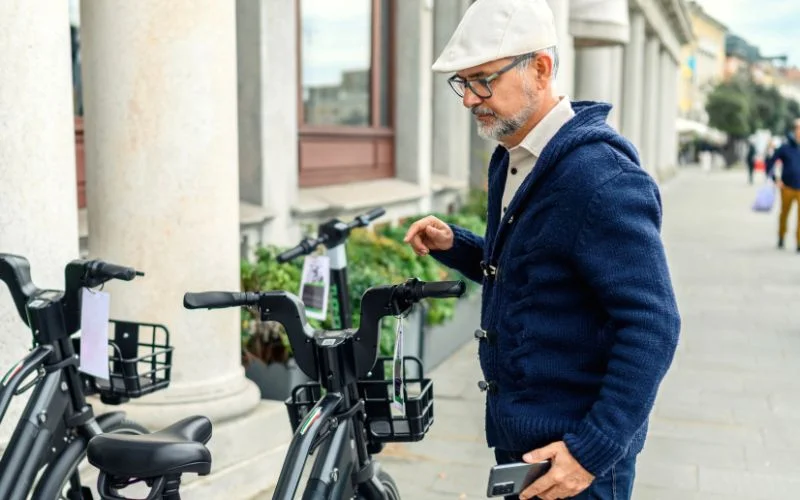
France’s commitment to sustainability is evident in its embrace of e-bikes. While e-bikes have a carbon footprint due to electricity consumption, their overall environmental impact is significantly less than cars and public transport.
Battery Disposal and Recycling
Ensuring proper battery disposal is crucial. France has specific recycling measures for e-bike batteries, minimizing their environmental repercussions.
Conclusion
In the picturesque landscapes of France, electric bikes have found a comfortable niche, offering both locals and tourists an eco-friendly alternative to conventional transport. As the popularity of e-bikes surges, the French authorities have established clear and forward-thinking regulations. Adhering to the “electric bike laws in France” ensures safe and harmonious road coexistence and promotes a greener future. With continued advancements in e-bike technology and a progressive stance on sustainable transport, France is poised to remain at the forefront of the e-bike revolution, underpinned by well-defined and user-friendly laws.
FAQs
1. Do I need insurance for my e-bike in France?
For standard pedelecs, no insurance is required. However, appropriate insurance is mandatory for more powerful e-bikes classified as motor vehicles.
2. Can I modify my e-bike to surpass 25 km/h?
Modifying your e-bike to exceed legal limits can lead to hefty fines and potential legal issues. It’s best to adhere to the stipulated regulations.
3. Are there incentives for buying e-bikes in France?
The French government occasionally offers subsidies or incentives for purchasing electric bikes to promote sustainable transportation.
