
Transform Your Physique: The Impact of Cycling on Body Shape
Cycling is not only a fantastic way to explore the outdoors and stay active, but it also significantly impacts your body shape. Whether you’re a dedicated cyclist or just starting, understanding how cycling affects your body can help you achieve your fitness and body shape goals. In this article, we’ll delve into the various aspects of cycling and its effects on your body shape.
How Does Cycling Influence Body Composition?
Cycling is a fantastic way to influence and improve body composition. Regular cycling engages various muscle groups throughout your body, promoting muscle development and toning. This physical activity is particularly effective at burning calories and reducing body fat, which can lead to a healthier body composition. Additionally, cycling is a low-impact exercise, making it accessible to people of various fitness levels and ages. Whether cycling for leisure, commuting or more intense rides, this activity can help you shed excess fat and build lean muscle, ultimately leading to a more favorable body composition.
Muscle Development
One of the primary effects of cycling on your body shape is the development of leg muscles. The repetitive pedaling motion engages major muscle groups in your lower body, including the quadriceps, hamstrings, calves, and glutes. As you continue cycling regularly, these muscles become stronger and more defined. This enhanced muscle development can lead to toned and shapely legs.
- Fat Loss: Cycling is an excellent cardiovascular exercise that burns calories effectively. When you engage in prolonged cycling sessions, your body taps into stored fat as an energy source. Over time, this reduces body fat percentage, which can help you achieve a leaner and more sculpted physique.
- Core Strength: While cycling primarily targets the lower body, it also engages your core muscles to stabilize your body as you ride. This continual engagement of the core muscles can improve core strength and stability. As your core becomes stronger, your posture improves, giving the appearance of a more toned and defined midsection.
Cycling and Body Shape
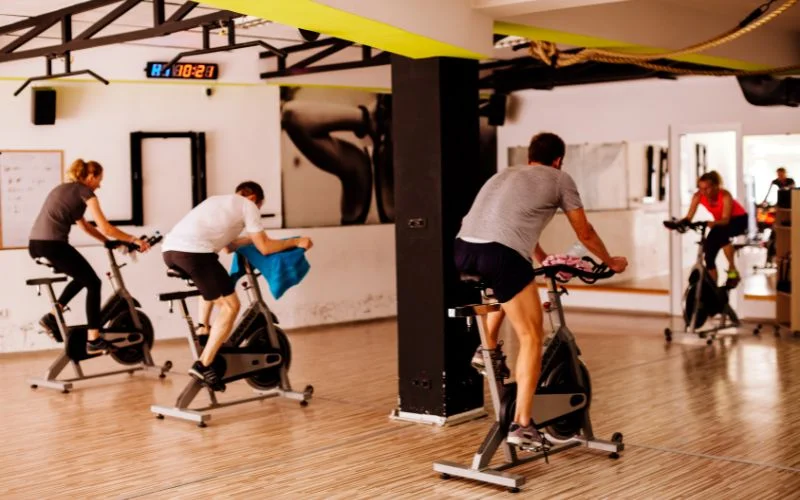
There are several myths surrounding the effects of cycling on body shape that need to be debunked:
Cycling Will Make Your Legs Bulky
Cycling may lead to muscular legs, which is unlikely to make them overly bulky. Achieving significant muscle mass requires specific resistance training, which is not a primary focus of cycling.
Cycling Doesn’t Burn Enough Calories for Weight Loss
Cycling is an effective calorie-burning activity, and when combined with a balanced diet, it can contribute to weight loss and improved body shape.
Cycling Only Targets the Lower Body
While cycling predominantly engages the lower body, it also provides a cardiovascular workout that can benefit your entire body. Regular cycling can help improve overall fitness and body composition.
Optimizing Your Cycling Routine for Body Shape Goals
To maximize the effects of cycling on your body shape, consider the following tips:
- Mix Up Your Riding Intensity: Incorporate steady-state rides and high-intensity interval training (HIIT) sessions into your routine. HIIT can help accelerate fat loss and muscle development.
- Pay Attention to Nutrition: A balanced diet that supports your fitness goals is crucial. Ensure you’re consuming enough protein to aid muscle repair and growth.
- Include Strength Training: Supplement your cycling routine with strength training exercises for a well-rounded physique.
- Stay Hydrated and Rested: Proper hydration and adequate rest are essential for recovery and overall well-being.
The Mental Benefits of Cycling
While we’ve primarily focused on the physical effects of cycling on body shape, it’s important to note that cycling also provides several mental health benefits. A positive mindset and mental well-being can complement your journey towards achieving your desired body shape.
Stress Reduction
Cycling can be a great stress reliever. The combination of fresh air, physical activity, and the rhythmic motion of pedaling can help reduce stress and anxiety. Lower stress levels can indirectly contribute to better body shape by reducing the release of stress hormones that can lead to weight gain.
Improved Mood
Regular cycling releases endorphins, often referred to as “feel-good” hormones. These endorphins can improve your mood and overall mental state, making staying motivated and committed to your fitness goals easier.
Enhanced Self-esteem
As you progress in your cycling abilities and observe positive changes in your body shape, your self-esteem and self-confidence will likely receive a significant boost. This newfound self-assurance can positively impact various aspects of your life.
Incorporating Cycling into Your Lifestyle

To make cycling a sustainable and enjoyable part of your life, consider these practical tips:
- Choose the Right Bike: Select a bicycle that suits your needs and preferences. Whether a road bike, mountain bike, or hybrid, the right motorcycle can enhance your cycling experience.
- Explore Different Routes: Vary your cycling routes to keep things interesting. Exploring new places on your bike can add excitement to your rides.
- Join a Cycling Group: Cycling with others can be motivating and enjoyable. Look for local cycling groups or clubs to connect with like-minded individuals.
- Monitor Your Progress: Use fitness-tracking apps or devices to monitor your progress. Tracking metrics such as distance, speed, and calories burned can help you set and achieve specific goals.
Conclusion
Cycling is an excellent way to improve your body shape, leading to stronger muscles, reduced body fat, and enhanced core strength. It offers a well-rounded fitness experience that benefits your physical health and provides an enjoyable outdoor activity. To achieve your desired body shape through cycling, maintain a consistent routine, pay attention to your nutrition, and incorporate a variety of riding intensities. Doing so allows you to pedal to a healthier and more sculpted physique.
FAQs
1. Can cycling help reduce belly fat?
Yes, cycling can reduce overall body fat, including belly fat, when combined with a healthy diet and consistent exercise routine.
2. How often should I cycle to see noticeable changes in my body shape?
Aim for at least 150 minutes of moderate-intensity weekly cycling to see significant changes. Consistency is key to achieving your body shape goals.
3. Will cycling make my thighs bigger?
Cycling can lead to stronger and more defined thighs but is unlikely to make them significantly bigger in muscle mass. Genetics also plays a role in muscle development.
