
Electric Cycle for Exercise: Get Fit Indoors or Outdoors
Are you tired of the same old gym workouts but still want a fantastic, full-body exercise session? Transitioning from conventional cycles to electric cycles could be your game-changer. The fusion of technology and fitness has brought us this new way of keeping in shape that’s exciting and environmentally friendly. Electric cycles are perfect for indoor or outdoor use and offer a robust workout and a fun and adventurous experience. Let’s step beyond traditional fitness paradigms and delve into how electric cycles are revolutionizing the way we approach exercise. Get ready to pedal away and exhilarate your fitness journey!
Yes, an electric cycle can provide a good workout. An e-bike requires pedaling and effort, especially in hilly terrain or when riding against the wind. It can give a higher energy expenditure overall compared to standard bicycles because it allows individuals to ride more frequently and meet recommended guidelines for moderate-intensity exercise. Additionally, some people use their e-bikes for exercise by combining occasional assistance with riding, allowing them to build fitness and eventually gradually upgrade to a regular bike.
Maximizing Fitness Benefits with Electric Cycles
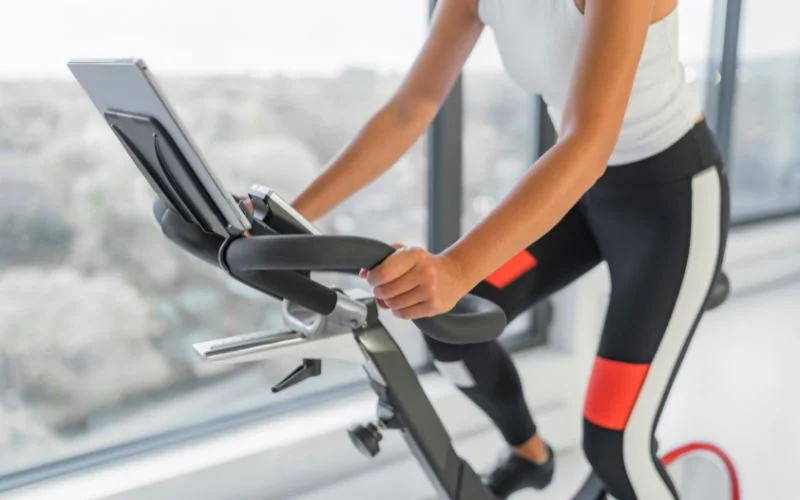
Electric cycles, also known as e-bikes, have revolutionized the fitness industry by providing an accessible and efficient means of exercise. Whether you prefer indoor workouts or outdoor adventures, e-bikes offer a range of benefits that can maximize your fitness journey. Let’s explore how you can make the most of these fitness benefits.
One of the key advantages of electric cycles is their ability to adapt to your fitness level and goals. For individuals new to cycling or with lower fitness levels, e-bikes provide a unique opportunity to increase intensity and build endurance gradually. With the electric motor’s assistance, riders can adjust power assistance levels to match their desired effort, making reaching milestones on their fitness journey more achievable and enjoyable.
Imagine you’re a beginner cyclist who wants to improve cardiovascular health and endurance. With an e-bike, you can start by relying more on the electric motor while gradually decreasing assistance over time as your fitness improves. This gradual progression allows you to challenge yourself without feeling overwhelmed or discouraged.
Additionally, e-bikes enable individuals with physical limitations or injuries to engage in physical activity without exacerbating their condition. The electric motor provides support when needed, reducing strain on joints and muscles while allowing for movement and exercise.
One notable advantage of using an e-bike is the increased duration and distance traveled during workouts compared to traditional bicycles. Research suggests that e-bike users ride more frequently and meet recommended guidelines for moderate-intensity exercise due to the enjoyment factor provided by power assistance. Riders can enhance their cardiovascular and muscular capabilities by extending duration and distance.
Think of it as having a training partner who provides intermittent support during your workout, helping you push through plateaus and accomplish challenging goals.
Cardiovascular and Strength Training Aspects

E-bike workouts offer a unique combination of cardiovascular and strength training benefits, making them an excellent choice for overall fitness improvements. Let’s explore these two crucial aspects in more detail.
- Cardiovascular Benefits: Riding an e-bike provides an effective cardiovascular workout that can help improve heart health and increase stamina. The pedaling motion engages large muscle groups, promoting efficient blood circulation and oxygen intake. With the ability to control intensity levels through power assistance, riders can achieve their target heart rate zones and work towards improving their cardiovascular endurance.
- Strength Training Benefits: Contrary to popular belief, e-bikes are not solely reliant on the electric motor. While power assistance is available, riders still need to pedal, which engages the lower body muscles, including the quadriceps, hamstrings, calves, and glutes. Individuals can strengthen their leg muscles by consistently riding an e-bike and incorporating varied terrain. Moreover, steering and maintaining balance on an e-bike also engage core muscles, contributing to overall stability and strength.
It is important to note that while the electric motor does assist, riders can manually adjust power levels or even turn it off completely, allowing for more intense strength training sessions. Whether you rely more on electric assistance or challenge yourself with manual pedaling efforts, e-bikes offer versatility in tailoring your workouts according to your fitness goals.
Now that we have explored the cardiovascular and strength training aspects of e-bike workouts, we can further delve into how these advantages aid in achieving exercise goals effectively.
- A study published in the Journal of Transport & Health in 2020 revealed that people who ride e-bikes take longer trips and burn nearly as many calories as conventional cyclists.
- According to a Swiss study from 2018, e-bike users get more vigorous exercise per week (90 minutes) than regular bikers (just over 45 minutes).
- Data from a University of Colorado Boulder study in 2016 showed that e-bike riders experienced physical exertion levels similar to walking or traditional biking, suggesting their potential use for moderate-intensity exercise.
Achieving Exercise Goals with Power Assistance

One of the main reasons electric bikes have gained tremendous popularity in recent years is their ability to assist riders in achieving their exercise goals. With power assistance, individuals can pedal as much or as little as they want, making e-bikes suitable for riders of all fitness levels. Whether you’re a beginner looking to ease into regular exercise or an experienced athlete aiming for a challenging workout, an e-bike can cater to your specific needs.
For instance, imagine someone who hasn’t ridden a bike in years due to physical limitations or lack of confidence. They decide to try an electric bike, and with the power assistance, they gradually build up their strength and stamina by increasing their pedaling. Over time, they enjoy longer rides and achieve better fitness levels.
The beauty of power assistance lies in its flexibility. Riders can adjust the level of electric service based on their preference and desired intensity. For those seeking a leisurely ride or recovering from an injury, a higher power mode can provide a gentle boost while still allowing them to engage in physical activity. On the other hand, if one wants a more rigorous workout, reducing the power assistance or turning it off completely enables them to rely solely on their pedaling power.
Imagine being able to tackle that steep hill that once seemed impossible without breaking a sweat. With an electric bike, hills become less intimidating as the motor effortlessly helps you conquer challenging terrains.
E-bikes also encourage individuals to go further and explore new areas without worrying about fatigue or staying within limited distances. The added power assistance opens up opportunities for longer rides and adventures previously out of reach.
Now that we understand how power assistance can aid us in achieving our exercise goals let’s explore what factors we should consider when selecting the perfect e-bike for exercise.
Selecting the Perfect E-Bike for Exercise

When choosing the right e-bike for exercise, several factors should be considered. It’s essential to consider your specific fitness goals, riding preferences, and the terrain you’ll be traversing.
First and foremost, determine whether you prefer a pedal-assist e-bike or a throttle-controlled one. Pedal-assist bikes provide power assistance when the rider pedals, making them a great choice for those who want to engage in cycling actively. Throttle-controlled bikes, on the other hand, allow riders to activate the motor with a twist of a handle or push of a button, offering more control over the level of assistance.
Consider the type of terrain you’ll primarily be riding on. If you plan on tackling hilly areas or rugged trails, opt for an e-bike with a powerful motor and sturdy construction. This will ensure you have enough support and stability to navigate challenging terrains easily.
Furthermore, pay attention to the battery range of the e-bike. A longer battery range allows for more extended rides without worrying about running out of power. This is especially important if you plan to use your e-bike for longer workouts or explore remote locations.
Think of selecting an e-bike like choosing a pair of running shoes. You want to find the perfect fit that supports your feet and provides cushioning where needed, allowing you to run comfortably without discomfort or injury.
Lastly, don’t forget about comfort and adjustability. Look for an e-bike with adjustable handlebars and saddle height to customize it according to your body proportions and preferences. Comfortable seating and ergonomic design are crucial factors that will enhance your overall riding experience.
These considerations allow you to select an e-bike that perfectly suits your exercise needs.
Understanding Different Types of E-Bikes

Regarding e-bikes, many options are available, each catering to different riding styles and preferences. By understanding the different types, you can choose an e-bike that suits your exercise goals and desired terrain.
City E-Bikes, or commuter bikes, are designed for urban environments. They have a comfortable upright riding position, often equipped with features like fenders, lights, and racks for practical city commuting.
Mountain E-Bikes or electric mountain bikes are perfect for off-road adventures. These bikes are built with robust frames, wider tires for increased traction, and enhanced suspension systems to handle rough trails and steep slopes.
Hybrid E-Bikes provide versatility for those seeking an active lifestyle with a mix of road and off-road cycling experiences. They typically feature medium-width tires suitable for paved roads and gravel paths while offering a more relaxed riding position.
If speed is your game, Road E-Bikes should be on your radar. With lightweight frames and dropped handlebars for aerodynamics, these e-bikes allow riders to achieve higher speeds efficiently.
An emerging category gaining popularity is the Folding E-Bike. Ideal for individuals with limited storage space or those needing convenient transportation options in busy cities, folding e-bikes can be easily folded into a compact size for easy storage or transport.
Lastly, we have Cargo E-Bikes designed to carry heavy loads. These e-bikes come with sturdy frames and large cargo capacity at the front or rear end, making them great options for carrying groceries or transporting supplies.
Now that we understand the various types of e-bikes available, let’s explore how they can help us strike a balance between indoor and outdoor exercise.
Balancing Indoor and Outdoor Exercise with E-Bikes

E-bikes offer the unique advantage of being versatile exercise tools used indoors and outdoors. Whether you prefer the convenience of exercising at home or relish the thrill of exploring new outdoor routes, e-bikes can accommodate your preferences.
Imagine a busy professional who wants to stay fit but struggles to find time for outdoor biking due to work commitments. This individual can opt for an indoor e-bike setup, such as a stationary bike equipped with e-bike features. With this setup, they can enjoy intense workouts in the comfort of their own space, allowing them to balance exercise with their hectic schedule seamlessly.
On the other hand, someone who craves fresh air and scenery may prefer taking their e-bike outdoors. Whether it’s a leisurely ride through scenic paths or embarking on longer cycling adventures, e-bikes provide the perfect blend of assistance and exercise. Riders can choose to engage different levels of pedal assist or switch to full manual mode when they want a more challenging workout.
Striking a balance between indoor and outdoor exercise with e-bikes allows individuals to adapt their routines based on weather conditions, time constraints, or personal preferences.
Locating a Quality Electric Exercise Cycle

Finding the perfect electric exercise cycle can be daunting, given the plethora of options available in the market. It’s essential to assess your specific needs and preferences before purchasing, as this will ensure that you find a cycle that suits your fitness goals and lifestyle. This section will explore several key factors when locating a quality electric exercise cycle.
First and foremost, consider the type of electric exercise cycle that aligns with your fitness routine. Different styles are available, including upright, recumbent, and spin bikes. Good bikes resemble traditional outdoor bicycles and provide a more intense workout experience. Recumbent bikes feature a reclined seat and are ideal for individuals seeking lower-impact exercises or those with back problems. Spin bikes offer an immersive cycling experience similar to studio classes.
Next, consider the features and specifications of the electric exercise cycle. Look for cycles that offer adjustable resistance levels to cater to varying fitness levels. Consider the bike’s weight capacity if you’re heavier or prefer rigorous workouts. Pay attention to the display console and its functionality – does it provide essential data such as speed, distance, heart rate monitoring, and calories burned? Additionally, consider additional features like built-in workout programs or compatibility with fitness apps for added variety and motivation.
For instance, if you enjoy virtual cycling experiences, you may want to look for an electric exercise cycle that offers interactive features such as integrated screens or compatibility with popular cycling apps like Zwift or Peloton Digital. This way, you can immerse yourself in virtual rides or join live classes for an engaging workout session.
Another important aspect to consider is the build quality and durability of the electric exercise cycle. Higher-quality cycles are often constructed with sturdy materials that withstand regular use and intense workouts without wobbling or making excessive noise. Look for user reviews or recommendations from fitness enthusiasts to gauge the reliability and longevity of the cycle you’re interested in.
Consider the electric bike size, adjustability, and storage options. Ensure that it is suitable for your available space at home and can be easily adjusted to accommodate individuals of varying heights. Some cycles offer compact or folding designs, making them easier to store when not in use. This feature can be particularly advantageous if you have limited space or need to move the cycle around frequently.
Lastly, compare prices and warranty options across different brands and models to find an electric exercise cycle that offers good value for your investment. While it may be tempting to choose the cheapest option, remember that a high-quality machine will last longer and provide a better workout experience.
In conclusion, locating a quality electric exercise cycle involves considering factors such as type, features, build quality, size, adjustability, and price. By carefully assessing these aspects and aligning them with your fitness goals and preferences, you’ll be able to find an electric exercise cycle that delivers an effective workout while providing a satisfying indoor cycling experience.
