
Utah Electric Bike Laws: Your Guide to E-Bike Regulations
Electric bikes, often referred to as e-bikes, have gained immense popularity in recent years as an eco-friendly and efficient mode of transportation. With their rising popularity, riders must be aware of their state’s specific laws and regulations governing electric bike usage. This article will delve into the Utah electric bike laws to ensure you are well-informed and can enjoy your e-bike safely and legally.
Defining Electric Bikes in Utah
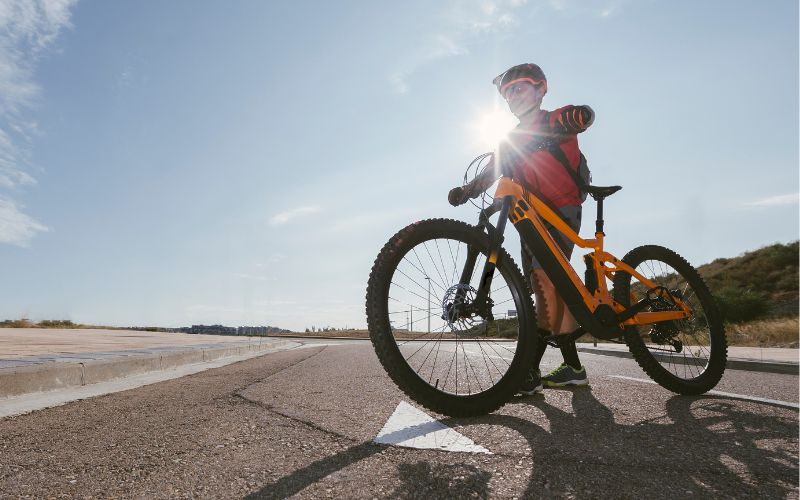
In Utah, electric bikes are defined as bicycles equipped with an electric motor with a maximum power output of 750 watts (1 horsepower). This classification distinguishes them from mopeds and scooters, making them subject to unique rules.
What is an electric bike in Utah?
In Utah, electric bikes are legally defined as bicycles equipped with an electric motor with a maximum power output of 750 watts (1 horsepower). These bikes are designed to assist human propulsion and should not be confused with mopeds or scooters.
How are electric bikes categorized in the state?
Utah classifies electric bikes into three main categories: Class 1, Class 2, and Class 3. These categories help determine where e-bikes are allowed and the specific rules they must follow.
Do electric bikes require registration or a license?
No, electric bikes in Utah do not require registration or a driver’s license to operate. However, riders must adhere to certain rules and regulations to ensure their safety and the safety of others on the road.
Classifying Electric Bikes
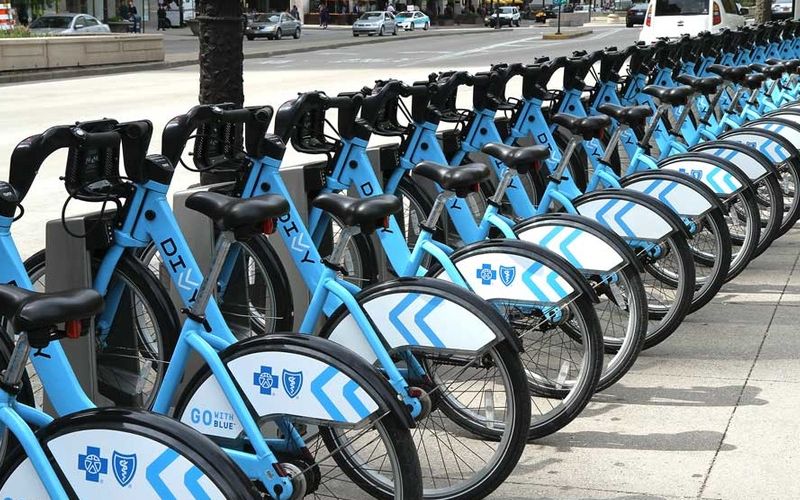
Utah categorizes electric bikes into three main classes, each with its own rules. Class 1 e-bikes are designed to assist riders while pedaling, Class 2 e-bikes include a throttle for propulsion, and Class 3 e-bikes offer higher speeds but come with age restrictions.
Understanding Class 1 e-bikes
Class 1 electric bikes in Utah have a motor that assists the rider while pedaling. They have a maximum speed of 20 mph when using the motor, and the engine cuts off when the bike reaches this speed.
Class 2 e-bikes: What you need to know
Class 2 e-bikes also have a maximum speed of 20 mph when using the motor, but they come with an additional feature: a throttle that allows the rider to propel the bike without pedaling. However, the throttle does not enable speeds exceeding 20 mph.
Class 3 e-bikes and their specific regulations
Class 3 electric bikes can reach up to 28 mph with the motor’s assistance. To operate a Class 3 e-bike in Utah, riders must be at least 16 years old, wear a helmet, and follow specific rules regarding where to ride.
Speed and Power Limits
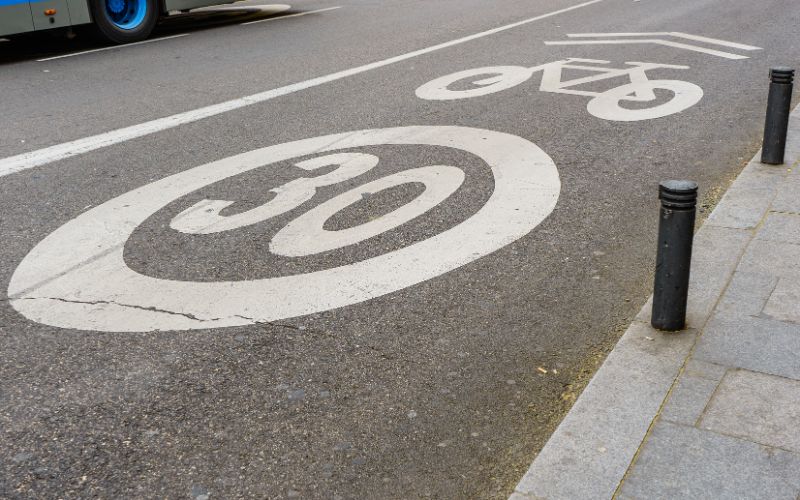
Specific speed and power limits bind all classes of electric bikes in Utah. Understanding these limits is vital, as they vary among courses and influence where and how you can ride your e-bike legally.
Maximum speed for electric bikes in Utah
All classes of electric bikes in Utah are limited to a maximum speed of 28 mph when using the motor’s assistance. Exceeding this speed limit could result in legal penalties.
Power restrictions on electric bikes
Utah law specifies that electric bikes must have a maximum power output of 750 watts (1 horsepower). This limit ensures that e-bikes remain within the bicycle category and are not classified as motor vehicles.
Differences in speed and power limits between e-bike classes
Class 1 and Class 2 e-bikes have the same maximum speed and power limits, both capped at 20 mph and 750 watts. Class 3 e-bikes, on the other hand, can reach higher speeds of up to 28 mph.
Riding on Public Roads

Utah generally permits electric bikes on public roads and bike lanes, but compliance with traffic laws is essential. It’s important to distinguish e-bikes from other vehicles and adhere to local ordinances regarding sidewalk riding.
Are e-bikes allowed on public roads and bike lanes?
Yes, electric bikes are generally allowed on public roads and in bike lanes in Utah. However, obeying traffic laws and being aware of local restrictions or ordinances is essential.
Riding an electric bike on sidewalks
Utah law permits e-bikes on sidewalks unless local ordinances prohibit it. Riders must exercise caution when sharing sidewalks with pedestrians and yield the right-of-way when necessary.
Interactions with motor vehicles
When riding an electric bike on the road, following the same rules as traditional bicycles is crucial. This includes obeying traffic signals, using hand signals for turns, and staying in the designated lane. Always be aware of your surroundings and exercise caution when interacting with motor vehicles.
Safety Gear and Equipment
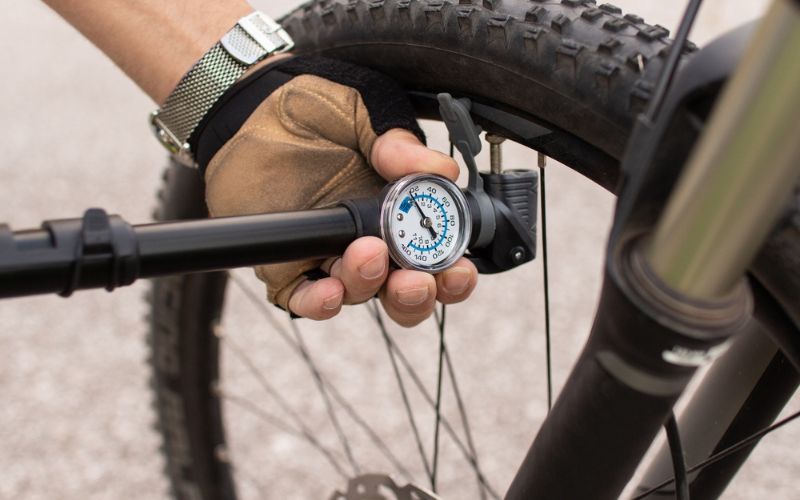
While helmet use is recommended for e-bike riders, Utah law may have specific requirements depending on your location. Additionally, riders should consider other safety gear like gloves, reflective clothing, and proper lighting to enhance visibility and safety.
Helmet requirements for e-bike riders
While Utah law does not require all e-bike riders to wear helmets, it is highly recommended for safety. Some local ordinances may mandate helmet use, so you must check the regulations in your area.
Additional safety gear recommendations
In addition to a helmet, riders should consider wearing gloves, reflective clothing, and appropriate footwear. These precautions can enhance visibility and protect against potential injuries.
Bicycle lighting and signaling
Electric bike riders should equip their bikes with proper lighting, including front and rear lights, to increase safety, especially when riding at night or in low-light conditions. Hand signals for turning should also be used to communicate intentions to other road users.
Where to Ride

Utah offers a variety of paths and trails suitable for electric bike enthusiasts. From designated bike lanes to state parks, knowing where to ride your e-bike safely and legally ensures a fulfilling riding experience while respecting the environment and local regulations.
Choosing appropriate paths and trails
Electric bike riders in Utah can enjoy a variety of trails and paths, including those designated for traditional bicycles. Additionally, many state parks and public lands allow e-bikes on their courses, providing opportunities for scenic rides.
Navigating national parks with electric bikes
National parks in Utah have varying regulations regarding e-bike usage. It’s essential to check with the specific park authorities for their rules and designated e-bike trails.
Special considerations for mountain e-bike enthusiasts
Utah’s stunning landscapes and mountainous terrain make it an ideal destination for mountain e-bike enthusiasts. However, knowing any restrictions or guidelines for e-bike use on mountain trails is essential to preserve the environment and ensure a safe experience.
Conclusion
In conclusion, understanding Utah’s electric bike laws is crucial for e-bike enthusiasts to ensure they ride safely and within the bounds of the law. By adhering to the regulations outlined in this guide, riders can enjoy the many benefits of electric bikes while respecting the rights and safety of others on the road. Always check local ordinances and park regulations for additional restrictions or requirements specific to your area. Happy riding!
FAQs
Q1: Are electric bikes considered bicycles in Utah?
Electric bikes are legally classified as bicycles in Utah, provided they meet the state’s defined criteria.
Q2: Can I ride my Class 3 e-bike on any road or trail?
No, Class 3 e-bikes are subject to specific regulations, and riders must follow local rules and restrictions regarding where they can ride.
Q3: Are there age restrictions for riding electric bikes in Utah?
Riders of Class 3 e-bikes in Utah must be at least 16 years old, but there are no age restrictions for other classes.
