
Demystifying San Antonio’s E-Bike Laws: Eco-Friendly Commuting
In recent years, the popularity of electric bikes (e-bikes) has surged, and San Antonio is no exception. With their eco-friendly nature and convenience, electric bikes have become a preferred mode of transportation for many residents and visitors. However, before you hop onto your e-bike and hit the streets of San Antonio, it’s crucial to familiarize yourself with the local San Antonio electric bike laws to ensure a safe and legal riding experience. In this comprehensive guide, we’ll delve into the specifics of San Antonio’s electric bike laws and regulations, helping you ride confidently within the boundaries of the law.
Understanding Electric Bikes
Before we dive into the legalities, let’s establish a clear understanding of what electric bikes are. Electric bikes, often called e-bikes, have an electric motor that assists the rider’s pedaling efforts. They come in various styles, from traditional-looking cycles to sleek and modern designs, catering to multiple preferences.
Classifications of E-Bikes
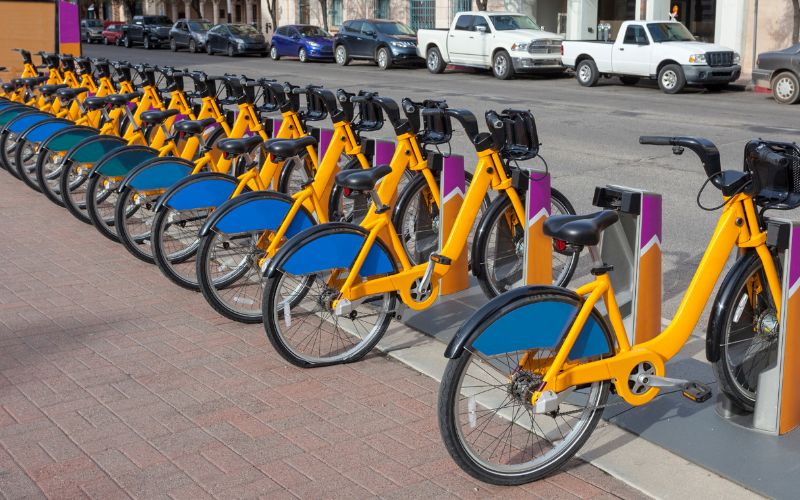
E-bikes are categorized into different classes based on their features and capabilities. San Antonio electric bike laws consider these classifications when determining where e-bikes can operate.
Class 1 E-Bikes
Class 1 e-bikes have a pedal-assist system, meaning the motor only provides assistance when the rider is actively pedaling. The motor assistance stops once the bike reaches a speed of 20 miles per hour (32 km/h). These e-bikes are generally permitted on roadways, bike lanes, and multi-use paths.
Class 2 E-Bikes
Class 2 e-bikes come with a throttle that allows the rider to control the electric motor without pedaling. Like Class 1, the motor assistance is limited to 20 miles per hour (32 km/h). While Class 2 e-bikes share many regulations with Class 1, staying informed about any distinctions in local laws is important.
Class 3 E-Bikes
Class 3 e-bikes, often called speed pedelecs, can assist up to 28 miles per hour (45 km/h) before the motor cuts off. Due to their higher speeds, these e-bikes might have specific regulations and restrictions, particularly in certain areas where safety concerns arise.
Where You Can Ride

San Antonio electric bike laws outline specific areas where different e-bikes can operate. Understanding these regulations is crucial to ensure you ride your e-bike in the right places and adhere to local rules.
Roadways and Bike Lanes
Both Class 1 and Class 2 e-bikes are typically allowed on roadways and designated bike lanes. These areas accommodate bicycles and e-bikes, ensuring you can share the road safely with other vehicles and cyclists. When riding on highways or bike lanes:
- Follow all traffic laws and signals as you would when driving a car.
- Use hand signals to indicate turns and stops to alert other road users of your intentions.
- Maintain a safe distance from vehicles and always be aware of your surroundings.
Multi-Use Paths and Trails
San Antonio electric bike laws encourage the use of multi-use paths and trails to promote alternative transportation and recreational riding. These pathways are open to both Class 1 and Class 2 e-bikes, allowing you to enjoy the outdoors and sustainably explore the city. When riding on multi-use paths:
- Keep your speed moderate, especially when sharing the path with pedestrians or cyclists.
- Yield the right of way to pedestrians. Please slow down and pass them with caution.
- Use your bike bell or voice to signal your presence when overtaking pedestrians.
- Stay to the right side of the path and use the left side for passing.
Potential Restrictions for Class 3 E-Bikes

Class 3 e-bikes, with their higher speed capabilities, might face certain restrictions in specific areas or pathways. This is often to ensure the safety of all road users, considering the increased velocity of Class 3 e-bikes. Be attentive to signage and guidelines that indicate where Class 3 e-bikes are allowed or prohibited.
Sidewalk Riding
While it’s generally advised to avoid riding e-bikes on sidewalks, there may be specific instances where local regulations permit it. However, even if allowed, you should always prioritize the safety of pedestrians and adjust your speed accordingly. Pedestrians on sidewalks have the right of way, and your consideration ensures a safe and comfortable experience for everyone.
Public Transportation and E-Bikes
E-bikes are often allowed on public transportation such as buses or trains, but the policies may vary based on the transit agency and local regulations. Check with the specific transportation provider to understand their rules and guidelines for bringing e-bikes on board.
Safety Gear and Considerations

Safety should always be a top priority when riding a San Antonio electric bike laws. Adhering to proper safety gear and considering essential factors can significantly enhance your riding experience while ensuring your safety and the safety of others on the road.
Helmet Usage
Wearing a helmet is perhaps the most crucial safety practice for e-bike riders of all ages. While San Antonio’s laws may not always mandate helmet usage, protecting your head in the event of an accident is strongly recommended. Here’s why helmets are important:
- Head Protection: Helmets significantly reduce the risk of head injuries in case of a fall or collision.
- Legal and Safe: San Antonio may not require helmets for all e-bike riders; using one is a responsible choice that sets a positive example for others.
Choose a well-fitting helmet that meets safety standards and wear it properly every time you ride. Remember, safety doesn’t take a day off.
Reflective Gear and Clothing
Enhancing your visibility to other road users, especially during low-light conditions, is crucial for preventing accidents. Wearing reflective gear and clothing can significantly affect how others perceive you on the road. Consider the following tips:
- Reflective Accessories: Attach thoughtful accessories to your helmet, bike frame, or clothing to catch the attention of motorists and pedestrians.
- Bright Clothing: Wear bright and easily visible clothing, especially when riding during dawn, dusk, or nighttime.
- Lights and Reflectors: Ensure your e-bike has functional front and rear lights and reflectors. These lights make you visible to others and illuminate your path.
Investing in reflective gear and clothing enhances your visibility and reduces the risk of accidents caused by poor visibility.
Lights and Signals
Proper lighting and signaling are essential for communicating your intentions to other road users, especially during low-light conditions. Here’s how you can use lights and signals effectively:
- Lights: Equip your e-bike with front and rear lights that comply with local regulations. Use them at all times, even during daylight hours, to increase visibility.
- Turn Signals: Consider adding hand signals to indicate your intentions to turn or change lanes. This helps motorists and pedestrians anticipate your actions.
Using lights and signals keeps you safe and helps others understand your movements on the road.
Maintaining a Safe Speed
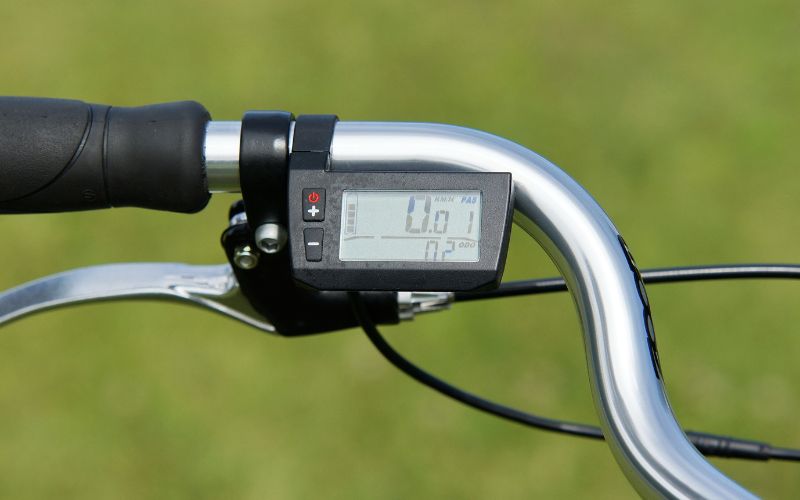
Keeping a safe and appropriate speed is essential for preventing accidents and reacting to unexpected situations. While e-bikes offer motor assistance, here’s why maintaining a safe speed is crucial:
- Control: Riding at a moderate speed gives you better control over your e-bike, especially when navigating corners or obstacles.
- Reaction Time: A safe speed allows you to react quickly to unexpected situations, such as pedestrians crossing your path or vehicles making sudden turns.
Adapting your speed to the road conditions and other road users’ presence ensures a safer and more predictable riding experience.
Responsible Riding Practices
While San Antonio e-bike laws guide where you can ride, it’s equally important to adhere to responsible riding practices to ensure the safety of yourself and others.
Yielding Right of Way
When using multi-use paths or sharing the road with pedestrians, always yield the right of way to walkers and joggers. Give audible signals, such as using your bike bell, when overtaking pedestrians to prevent surprises.
Obeying Speed Limits
Pay attention to posted speed limits, especially if riding a Class 3 e-bike. Adhering to these limits promotes safety and contributes to a positive relationship with other road users.
E-Bike Regulations and Safety
Riding a San Antonio electric bike law has specific regulations and safety considerations to ensure the well-being of riders, pedestrians, and other road users. Familiarizing yourself with these regulations is essential for a safe and legal riding experience.
Age Restrictions
Is there an age restriction for operating an e-bike in San Antonio?
There is no specific age restriction for operating an e-bike in San Antonio. However, riders of all ages must comply with the respective e-bike class regulations and wear appropriate safety gear.
While there is no age limit, exercising caution and ensuring that younger riders have the skills to operate an e-bike safely is crucial.
Licensing Requirements
Do I need a driver’s license to ride an e-bike in San Antonio?
No, regardless of the class, you do not need a driver’s license to ride an e-bike in San Antonio. E-bikes are treated as bicycles if they meet the designated speed and motor power criteria.
The absence of a driver’s license requirement promotes accessibility. It encourages more people to embrace e-bikes as a mode of transportation, especially those who may not possess a driver’s license.
H2: E-Bike Etiquette and Best Practices
Responsible and courteous riding practices are essential for fostering a safe and positive environment for all road users, whether on an electric bike (e-bike) or sharing the road with pedestrians and other cyclists. Adhering to e-bike etiquette ensures your safety and contributes to the community’s well-being.
Consideration for Others
How can I ensure I’m considerate of other road users while riding my e-bike?
Consideration for others is a fundamental aspect of responsible riding. Here are some ways to ensure you’re being considerate:
- Stay in Designated Areas: Ride your e-bike only in areas where it’s allowed. Avoid riding on sidewalks or in restricted zones.
- Obey Traffic Laws: Adhere to all traffic laws and signals like you would while driving a vehicle. This includes stopping at stop signs and red lights.
- Passing Safely: When passing other cyclists or vehicles, do so on the left side and provide enough space. Use hand signals to indicate your intentions.
By being considerate and adhering to traffic rules, you create a safer and more enjoyable experience for everyone on the road.
Conclusion
Navigating San Antonio’s electric bike laws is essential to enjoying your e-bike safely and legally. By understanding the distinctions between e-bike classes, where you can ride, and adhering to local regulations, you’ll be well-prepared to embark on your e-bike adventures through the vibrant streets of San Antonio. Safety and respect for others on the road are paramount, ensuring an enjoyable experience for everyone.
Related Articles
Navigating Electric Bike Laws in Texas: A Comprehensive Guide
FAQs
1. Can I modify my e-bike to achieve higher speeds?
Modifying your e-bike to exceed the designated speed limits is discouraged and might lead to legal consequences. Always abide by the manufacturer’s specifications and local regulations.
2. Are e-bikes allowed on public transportation, like buses or trains?
In most cases, you can bring your e-bike on public transportation. Still, it’s advisable to check with the specific transit agency for their policies and guidelines regarding e-bike transportation.
3. What should I do if I’m involved in an e-bike accident in San Antonio?
If you’re involved in an e-bike accident, prioritize your safety and the safety of others. If necessary, contact local authorities to report the incident. Gathering information from witnesses and involved parties can also be helpful for insurance purposes.
4. Are there any specific rules for riding e-bikes at night?
When riding your e-bike at night, ensure proper lighting, including a white front and red rear light. Wear reflective clothing and thoughtful accessories to increase your visibility to other road users.
5. Can I ride my e-bike in bike lanes designated for traditional bicycles?
Yes, Class 1 and Class 2 e-bikes are generally allowed in bike lanes designated for traditional bicycles. However, be mindful of your speed and yield the right of way to cyclists if necessary.
