
NYC Electric Biking : Navigating Laws and Urban Etiquette
In recent years, electric bikes (e-bikes) have gained immense popularity as a convenient and eco-friendly mode of transportation in New York City (NYC). However, navigating the intricate web of NYC electric bike laws can be overwhelming for riders and enthusiasts. This article aims to provide a comprehensive guide to understanding the regulations surrounding e-bikes in the city. We’ve covered you, from types of e-bikes allowed to speed limits and riding guidelines.
Types of Electric Bikes Allowed in NYC

In the bustling urban landscape of New York City, electric bikes (e-bikes) have become a popular choice for both commuting and leisurely rides. NYC has established regulations governing the types of e-bikes permitted on its streets to ensure safe and harmonious integration into the city’s transportation infrastructure. Understanding these classifications is essential for e-bike enthusiasts and riders to navigate the city confidently.
Class 1 E-Bikes
Class 1 e-bikes represent the most common type of electric bike allowed on NYC streets. These e-bikes have a motor that assists the rider’s pedaling efforts. The motor assistance is activated when the rider pedals and automatically cut off when the bike reaches a speed of 20 miles per hour (mph). Class 1 e-bikes are well-suited for those who enjoy cycling but seek extra help on hills or during longer commutes.
One of the key advantages of Class 1 e-bikes is their seamless integration with traditional cycling infrastructure. They are allowed on NYC bike lanes, shared roads, and paths, making them a convenient option for navigating the city’s busy streets without causing disruptions to other cyclists.
Class 2 E-Bikes
Class 2 e-bikes offer a slightly different riding experience than Class 1 models. These e-bikes feature a motor that can propel the bike up to 20 mph without pedaling. Like Class 1 e-bikes, the motor assistance on Class 2 e-bikes ceases once the cycle reaches the maximum speed.
Class 2 e-bikes are another permissible option in NYC. They are allowed in bike lanes, shared roads, and paths, just like Class 1 e-bikes. For riders who may not want to pedal continuously but still enjoy the convenience of e-bike propulsion, Class 2 e-bikes provide an excellent solution.
Class 3 E-Bikes
Class 3 e-bikes offer higher speeds than their Class 1 and Class 2 counterparts. These e-bikes are equipped with motors that assist the rider’s pedaling efforts, enabling them to reach speeds up to 28 mph. However, it’s important to note that Class 3 e-bikes are subject to additional regulations to ensure safety on city streets.
Riding a Class 3 e-bike in NYC requires at least 16 years old. Additionally, regardless of age, riders must wear helmets while operating Class 3 e-bikes. These regulations are in place to enhance the safety of both riders and pedestrians. Class 3 e-bikes are allowed on bike lanes, shared roads, and paths, but riders must adhere to speed limits and exercise caution when maneuvering at higher speeds.
Understanding Speed Limits and Riding Guidelines
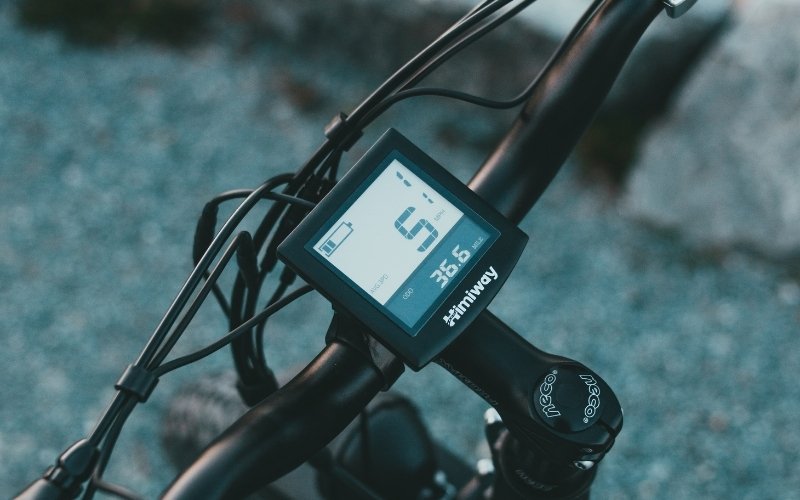
Riding an electric bike (e-bike) through the bustling streets of New York City provides an exhilarating experience, but it’s essential to do so responsibly and by the city’s regulations. E-bike riders need to be aware of the speed limits imposed on different types of streets and adhere to specific guidelines to ensure their safety and those of others sharing the road.
Speed Limits for E-Bikes
New York City has established speed limits for various types of streets to maintain order and minimize the risks associated with faster-moving vehicles. E-bike riders must adhere to these speed limits to create a safer and more predictable traffic environment. Here’s a breakdown of the speed limits for e-bikes:
- On streets with a speed limit of 30 mph or less, e-bikes are not permitted to exceed a speed of 20 mph. This limitation ensures that e-bikes blend seamlessly with traffic flow and are in sync with the swiftness of nearby vehicles.
- On streets with a speed limit of greater than 30 mph, e-bikes should not exceed a speed of 25 mph. This slightly higher speed limit accommodates the faster pace of traffic while maintaining a safe difference in speed.
It’s crucial to remember that these speed limits apply to all classes of e-bikes, including Class 1, Class 2, and Class 3 models. Adhering to these limits keeps riders within the confines of the law and promotes a safer riding experience for everyone.
Riding Guidelines
In addition to adhering to speed limits, e-bike riders must follow specific riding guidelines to ensure the safety of themselves and others on the road. These guidelines are designed to create a harmonious environment where e-bikes, traditional bicycles, and other forms of transportation can coexist seamlessly:
- Respect Traffic Rules: E-bike riders must adhere to the same traffic rules and regulations for traditional bicycles. This includes stopping at red lights, yielding to pedestrians in crosswalks, and obeying all traffic signs and signals.
- Use Hand Signals: Proper communication with other road users is essential for safety. E-bike riders should use hand signals to indicate turns and stops. This practice helps drivers and pedestrians anticipate your actions and reduces the risk of accidents.
- Avoid Sidewalk Riding: Riding e-bikes on sidewalks is prohibited in NYC. Stick to roadways, bike lanes, and designated cycling paths. Sidewalks are primarily for pedestrians, and riding e-bikes there can be dangerous and disruptive.
- Stay Visible at Night: If you plan to ride your e-bike at night, ensure that your bike is equipped with front and rear lights, reflectors, and a bell or horn. Visibility is crucial for the safety of both the rider and other road users.
Tips for a Smooth E-Bike Experience in NYC

Riding an electric bike (e-bike) through the dynamic and bustling streets of New York City can be an exhilarating adventure. E-bikes offer a convenient, eco-friendly, and efficient way to navigate the city’s urban landscape. Whether you’re a seasoned e-bike rider or new to the experience, these tips will help ensure a smooth and enjoyable journey through the vibrant streets of the Big Apple.
Plan Your Route
Before you embark on your e-bike adventure, take a moment to plan your route. Utilize maps, navigation apps, or websites that offer biking-friendly courses. Identify bike lanes, greenways, and less congested streets that can make your journey safer and more enjoyable. Planning can help you avoid heavily trafficked roads and ensure a smoother ride.
Regular Maintenance
Maintaining your e-bike in good working condition is essential for a hassle-free experience. Before each ride, perform a quick check of your e-bike’s key components:
- Tires: Ensure that your tires are properly inflated and free from visible damage.
- Brakes: Test your brakes to ensure they are responsive and effective.
- Lights: Check that your front and rear lights function, especially if you plan to ride at night.
- Battery: Ensure your battery is charged and securely attached to the e-bike.
- Cables and Chains: Inspect cables and chains for any signs of wear or rust.
Regular maintenance enhances your safety and extends your e-bike’s lifespan, allowing you to enjoy countless rides across the city.
Respect Pedestrians and Traffic Rules
When riding an e-bike in NYC, it’s crucial to respect the rights of pedestrians and adhere to traffic rules. Here’s how you can do your part:
- Slow Down: When passing pedestrians on sidewalks or shared paths, reduce your speed to a safe level. Pedestrians always have the right of way.
- Yield to Pedestrians: At crosswalks and intersections, yield to pedestrians before proceeding. Use hand signals to indicate your intentions to pedestrians and other road users.
- Obey Traffic Signals: Like drivers and cyclists, e-bike riders must obey traffic signals, stop at red lights, and yield when required.
By demonstrating respect for pedestrians and following traffic rules, you contribute to a safer and more harmonious environment for everyone sharing the road.
Stay Visible and Wear Protective Gear
Visibility is key to a safe e-bike experience, especially in a city as bustling as NYC. Equip yourself and your e-bike with the right gear:
- Helmet: Although not always legally required, wearing a helmet is highly recommended for safety, especially at higher speeds.
- Reflective Clothing: Wear reflective clothing or accessories, especially when riding at dawn, dusk, or night. This makes you more visible to other road users.
- Lights and Reflectors: Ensure your e-bike has front and rear lights and reflectors to enhance visibility.
Advocating for E-Bike-friendly Policies

As electric bikes (e-bikes) continue to gain popularity as a sustainable and efficient mode of transportation, advocating for e-bike-friendly policies becomes increasingly important. These policies can create a more inclusive and supportive environment for e-bike riders, ensuring they can easily navigate the city’s streets and contribute to a greener urban landscape. Here are some strategies for advocating for e-bike-friendly policies in your community, focusing on the unique context of New York City (NYC).
Engage with Local Representatives
Your local elected officials, city council members, and representatives are your voice in shaping policies that affect your community. Engaging with them is fundamental to advocating for e-bike-friendly policies in NYC. Reach out to them through emails, letters, phone calls, or in-person meetings to express your support for policies encouraging e-bike use.
When engaging with local representatives:
- Share Your Experience: Communicate your positive experiences with e-bikes and how they reduce traffic congestion, improve air quality, and promote a healthier lifestyle.
- Highlight Benefits: Emphasize the environmental and health benefits of e-bikes, such as reduced carbon emissions, improved air quality, and increased physical activity.
- Address Concerns: Address any concerns or misconceptions about e-bikes, such as safety issues, by providing accurate information and data supporting e-bike use’s benefits.
Join Advocacy Groups

Advocacy groups play a significant role in influencing policy decisions and raising awareness about specific issues. Look for local or citywide advocacy groups focused on cycling, transportation, and sustainable mobility. Joining these groups allows you to collaborate with like-minded individuals, share ideas, and collectively work toward positive change.
Advocacy groups offer opportunities to:
- Participate in Campaigns: Get involved in campaigns and initiatives that advocate for e-bike-friendly policies. This can include petitions, rallies, and awareness-raising events.
- Educate the Public: Participate in educational events or workshops that inform the public and policymakers about the benefits of e-bikes and the need for supportive policies.
- Collaborate with Experts: Learn from policy experts and transportation planners within these groups, who can provide valuable insights into policy-making.
Participate in Public Meetings
Public meetings and town halls are forums where citizens can voice their opinions and concerns to city officials and decision-makers. Attend meetings where transportation-related topics, including e-bike policies, are being discussed. Participating in these meetings allows you to contribute to the conversation and influence policy decisions directly.
When attending public meetings:
- Be Informed: Familiarize yourself with the latest e-bike regulations, research, and statistics to support your arguments.
- Prepare a Statement: Prepare a concise statement that outlines the benefits of e-bikes, addresses concerns, and makes a case for e-bike-friendly policies.
- Engage in Discussions: Participate in open discussions, ask questions, and provide thoughtful insights to contribute to a well-rounded conversation.
Conclusion
Navigating the NYC electric bike laws doesn’t have to be a daunting task. By understanding the different classes of e-bikes allowed, adhering to speed limits and riding guidelines, and familiarizing yourself with common FAQs, you can enjoy your e-bike safely and legally in the bustling streets of the Big Apple. Remember, staying informed and riding responsibly protects you and contributes to harmonious coexistence with other road users.
Related ArticlesOregonn electric bikes laws
Frequently Asked Questions (FAQs)
Q: Can I ride my e-bike in Central Park?
Yes, you can ride your e-bike in Central Park. However, stay on designated bike paths and follow the park’s rules for cyclists.
Q: Do I need a driver’s license to operate an e-bike in NYC?
No, you do not need a driver’s license to operate an e-bike in NYC. However, if you’re riding a Class 3 e-bike, you must be at least 16.
Q: Are e-bikes allowed on bike paths and greenways?
Yes, e-bikes are allowed on bike paths and greenways in NYC. Ensure you’re using the appropriate type of e-bike for these areas and adhering to the posted speed limits.
Q: Do I need insurance for my e-bike in NYC?
No, you are not required to have insurance for your e-bike in NYC. However, it’s a good idea to check with your insurance provider to see if your e-bike is covered under your existing policies.
Q: What are the consequences of breaking e-bike laws in NYC?
Breaking e-bike laws in NYC can result in fines and confiscation of your e-bike. It’s crucial to familiarize yourself with the rules to avoid these consequences.
Q: Can I modify my e-bike to go faster than the legal limit?
Modifying your e-bike to exceed the legal speed limits is not advisable. Doing so could lead to legal consequences and compromise your safety.
Conclusion
Navigating the NYC electric bike laws doesn’t have to be a daunting task. By understanding the different classes of e-bikes allowed, adhering to speed limits and riding guidelines, and familiarizing yourself with common FAQs, you can enjoy your e-bike safely and legally in the bustling streets of the Big Apple. Remember, staying informed and riding responsibly protects you and contributes to harmonious coexistence with other road users.
