
E-Biking the Legal Way: Navigating Illinois Electric Bike Laws
In recent years, electric bikes, or e-bikes, have surged in popularity as a convenient and eco-friendly mode of transportation. These innovative vehicles combine the efficiency of a traditional bicycle with the assistance of an electric motor. However, before you hop on your e-bike and hit the road in Illinois, you must be well-versed in the state’s electric bike laws to ensure a safe and legal riding experience. This article is a comprehensive guide to help you navigate the ins and outs of Illinois electric bike laws.
Differentiating E-Bikes Under Illinois Law

Under Illinois law, electric bikes are categorized into three classes, each with specific regulations. Understanding these classifications is essential to determine where and how you can legally ride your e-bike.
Class 1 E-Bikes: Pedal Assist
Class 1 e-bikes have a motor that provides assistance only when the rider is pedaling. The engine ceases operation once the bike reaches a speed of 20 miles per hour (mph). These e-bikes are allowed on bike paths, lanes, and roads where traditional bicycles are permitted.
Class 2 E-Bikes: Throttle Assist
Class 2 e-bikes feature a motor that can propel the bike without any pedaling, using a throttle. Like Class 1, the motor assistance stops when the cycle reaches 20 mph. Class 2 e-bikes are generally subject to the same regulations as Class 1 and are allowed on bike paths and lanes.
Class 3 E-Bikes: Speed Pedelecs
Class 3 e-bikes are designed for higher speeds, with the motor assisting the rider while pedaling up to 28 mph. To operate a Class 3 e-bike, riders must be at least 16 years old. These bikes are permitted on roads, bike lanes, and paths, but they may be restricted from certain areas or trails, so it’s important to check local regulations.
Age and Licensing Requirements
In Illinois, the regulations regarding age and licensing for e-bike riders vary based on the class of e-bike.
Class 1 and 2 E-Bikes
Regardless of age, Class 1 and 2 e-bike riders do not need a driver’s license or a specialized license to operate their vehicles. These e-bikes are treated similarly to traditional bicycles in this regard, making them accessible to a wide range of individuals.
Class 3 E-Bikes
Riders of Class 3 e-bikes must be at least 16 years old. While no driver’s license is required, the age restriction ensures that these higher-speed e-bikes are operated responsibly and safely.
Rules for Riding E-Bikes on Trails and Paths
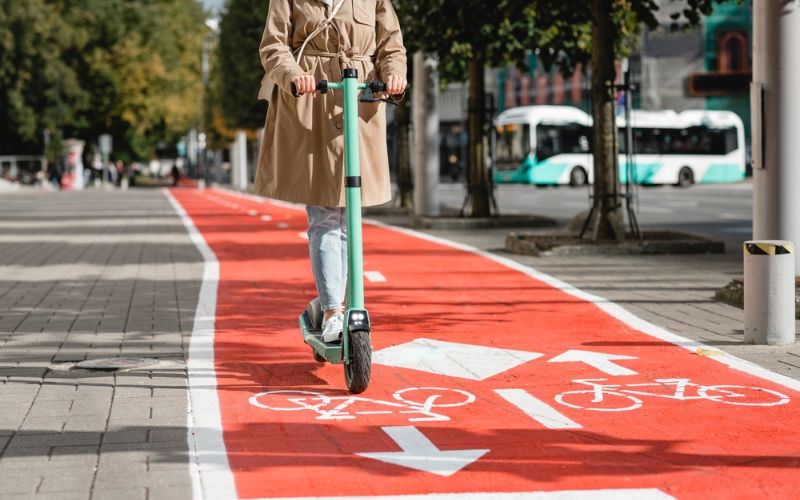
Understanding where you can ride your e-bike is essential to avoid legal complications. In Illinois, e-bike riders should adhere to the following guidelines when using trails and paths.
Bike Paths and Lanes
Class 1 and 2 e-bikes are generally allowed on bike paths and lanes, as they provide a similar experience to traditional bicycles. Riders must follow the same rules and regulations that apply to cyclists.
Multi-Use Paths
In some cases, e-bikes may be permitted on multi-use paths, but restrictions can vary depending on local regulations. It’s advisable to check with local authorities or signage to ensure compliance.
Natural Surface Trails
Riding e-bikes on natural surface trails designated for non-motorized use is generally prohibited. These trails are often reserved for hikers and traditional cyclists to preserve the natural environment and ensure safety.
Staying Informed for a Safe E-Bike Experience

E-bikes offer a convenient and eco-friendly way to navigate urban and suburban landscapes, but ensuring a safe and legal experience requires ongoing awareness of regulations and changes. By staying informed, you contribute to a safer environment for yourself and your fellow riders. Here are some additional insights to help you stay up-to-date with Illinois electric bike laws:
Keeping Up with Regulatory Changes
Regulations related to e-bikes can evolve as technology advances and legislators refine their understanding of these vehicles. To stay informed about any changes in Illinois electric bike laws, consider these steps:
Regularly Check Government Websites
Visit the official website of the Illinois Department of Transportation or your local government’s transportation department. These sites often provide updates on regulations and guidelines for e-bike riders.
Join E-Bike Communities
Online forums, social media groups, and local cycling clubs are excellent places to connect with fellow e-bike enthusiasts. These communities often share information about changes in laws and regulations that could affect your riding experience.
Advocating for E-Bike Infrastructure

Advocating for better e-bike infrastructure can lead to safer and more enjoyable riding experiences for everyone. By working together with local authorities and cycling organizations, you can contribute to the development of e-bike-friendly infrastructure:
Engage with Local Authorities
Participate in community meetings or contact local officials to discuss creating safe spaces for e-bike riders. This includes advocating for bike lanes, secure parking areas, and e-bike charging stations.
Support Cycling Organizations
Collaborate with established cycling advocacy groups in your area. These organizations often strongly advocate for improved infrastructure and e-bike-friendly policies.
Responsible E-Bike Ownership
Owning an e-bike comes with responsibilities beyond legal compliance. Following best practices for e-bike ownership enhances your safety and that of others sharing the road:
Regular Maintenance
Keep your e-bike in good working condition by performing regular maintenance checks. This includes inspecting brakes, tires, lights, and the battery system. A well-maintained e-bike is safer and more reliable.
Respect Other Road Users
Whether riding on a bike lane, a road, or a path, always show courtesy to pedestrians, other cyclists, and motorists. Yield the right-of-way when necessary and signal your intentions to ensure a smooth and safe ride.
Conclusion
As you venture into the Illinois e-biking world, remember that knowledge is your best ally. Understanding the classifications of e-bikes, adhering to age and licensing requirements, and knowing where you can ride are fundamental aspects of complying with the law. However, the journey doesn’t end there—staying informed about regulatory changes, advocating for better e-bike infrastructure, and practicing responsible ownership contribute to a positive and safe e-bike experience. By following the guidelines in this article and staying engaged with the e-bike community, you can enjoy the benefits of this innovative mode of transportation while respecting the laws and regulations governing its use.
FAQs
Can I Modify My E-Bike to Go Faster?
Modifying an e-bike to exceed its factory-set speed limit is not recommended and can lead to legal issues. It’s crucial to adhere to the specified speed limits for your e-bike class to ensure safety and compliance.
Do I Need a Helmet When Riding an E-Bike?
While Illinois law does not explicitly require adults to wear helmets while riding e-bikes, it’s highly recommended for safety reasons. Additionally, riders under 16 are legally obligated to wear helmets.
How Fast Can I Go on an E-Bike?
The maximum speed you can reach on an e-bike depends on its class. Class 1 and 2 e-bikes assist you up to 20 mph, while Class 3 e-bikes offer assistance up to 28 mph. They know your bike’s capabilities and limitations to ride safely within the legal speed limits.
