
Deciphering Electric Bike Laws in Australia: Comprehensive Guide
Electric bikes, or e-bikes, have become increasingly popular across Australia as a convenient and eco-friendly mode of transportation. These battery-powered bicycles offer a unique way to commute, explore, and reduce your carbon footprint. However, it’s essential to be aware of Australia’s specific electric bike laws to ensure you ride safely and within the legal boundaries. This comprehensive guide will delve into Australia’s electric bike laws, covering classifications, regulations, and safety requirements and answering commonly asked questions to help you navigate the e-biking landscape.
Electric Bikes

Electric bikes, often called e-bikes, have become a popular and eco-friendly mode of transportation in Australia. To understand the country’s electric bike laws and regulations, it’s essential first to define what electric bikes are and how they operate within the Australian context.
Understanding Electric Bikes
Electric bikes, commonly known as e-bikes, are equipped with electric motors designed to assist with propulsion. These electric motors provide varying levels of assistance, making it easier for riders to pedal and navigate different terrains and distances. E-bikes come in various forms, including pedal-assist (pedelec) e-bikes and throttle-operated e-bikes.
Classifying Electric Bikes in Australia
Australia classifies electric bikes into specific categories based on their capabilities and features:
- Pedelec e-bikes feature a motor that only assists when the rider is actively pedaling. The motor assistance ceases when the bike reaches a speed of 25 kilometers per hour (km/h).
- Class 2 e-bikes have a motor that can be activated via a throttle without pedaling. Like Class 1, the motor assistance ceases at 25 km/h.
- These e-bikes have motors that assist with pedaling and cease operation at 45 km/h. Riders can achieve these speeds with pedal assistance.
Understanding these classifications is crucial, as they determine where you can ride your e-bike and the specific regulations for each class.
Australian Electric Bike Laws and Regulations

Understanding the laws and regulations governing e-bikes in Australia is essential to ensure a safe and legal riding experience.
Classification and Speed Limits
Australia’s e-bike laws categorize e-bikes based on their capabilities, and each class has its speed limits:
- These e-bikes are limited to a maximum speed of 25 km/h. The motor assistance only operates when the rider pedals, ceasing at this speed.
- Class 2 e-bikes have a maximum speed of 25 km/h. The motor can be activated via a throttle without pedaling, but it stops assisting at 25 km/h.
- Class 3 e-bikes have a higher maximum speed limit of 45 km/h. The motor provides assistance when pedaling and stops at 45 km/h. Riders can achieve these speeds with pedal assistance.
Ride Your Electric Bike
Australia’s e-bike regulations generally permit e-bikes to be ridden in the following areas:
- Roads: E-bikes can typically be ridden on public roads, following the same traffic laws and rules that apply to traditional bicycles.
- Bike Lanes: E-bikes are allowed in bike lanes designated for traditional bicycles. However, riders should be considerate of other cyclists and share the route safely.
- Shared Paths: E-bikes are generally permitted on shared paths and multi-use trails, where they can be ridden alongside pedestrians and traditional bicycles. Riders must keep a safe and appropriate speed, yield to pedestrians, and use their horns or bells when necessary to alert others.
It’s essential to be aware that specific rules may vary between states and territories, so it’s advisable to check the local regulations in your area for any additional rules or restrictions.
Helmet and Safety Requirements
Helmet laws apply to e-bike riders across Australia. All e-bike class riders must wear an approved bicycle helmet when riding on roads and bike paths. Wearing a helmet is crucial for safety, as it helps protect riders in case of accidents.
Registration and Licensing for E-Bikes
Regarding electric bikes (e-bikes) in Australia, understanding the requirements for registration and licensing is a critical aspect of complying with the country’s regulations. E-bikes provide an eco-friendly and efficient mode of transportation, and knowing the legal framework ensures you can enjoy your e-bike safely and responsibly. This section will explore the rules and guidelines surrounding the registration and licensing of e-bikes in Australia.
Register Your Electric Bike
As per the current regulations in Australia, you generally do not need to register your e-bike. Electric bikes are not considered motor vehicles, so they do not need to be registered with motor vehicle authorities.
Licensing Requirements for E-Bike Riders
An e-bike in Australia typically does not require a driver’s or special license. However, it’s essential to be aware of age restrictions that may apply. Age requirements for e-bike riders can vary by state or territory, so it’s crucial to verify local regulations or consult the e-bike manufacturer’s guidelines to ensure compliance.
Safety Tips for E-Bike Riders
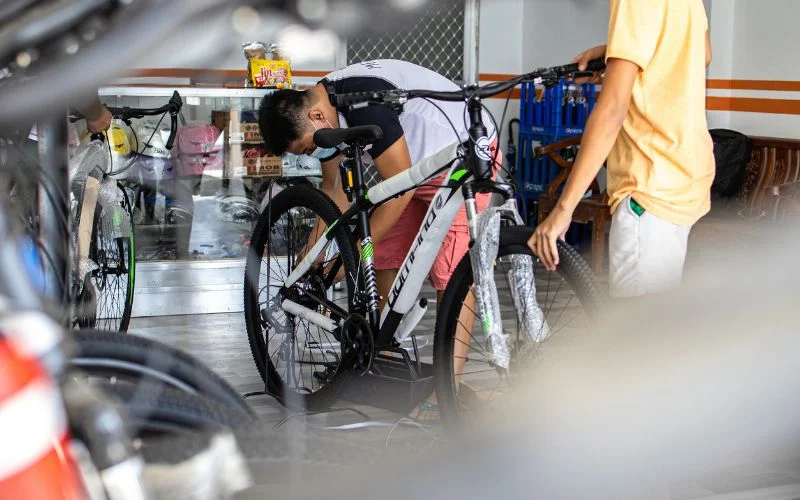
While understanding the laws is essential, prioritizing safety while riding your e-bike is equally critical. Here are some safety tips for rules and regulations:
Safe Riding Practices
- Always obey traffic laws and signals, including stopping at red lights and yielding to pedestrians.
- Signal your turns and stops using hand signals to communicate your intentions to other road users.
- Keep a safe and respectful distance from other vehicles, and be mindful of your surroundings.
- Ride predictably to help other road users anticipate your actions.
- Be cautious when riding on shared paths, especially around pedestrians, and adjust your speed to maintain safety.
Visibility and Lighting
- Ensure your e-bike has proper lighting, including front and rear lights and reflectors. These lights help increase your visibility to others, especially in low-light conditions.
- Wear bright and reflective clothing when riding, especially at dawn, dusk, or night. The high-visibility dress makes you more noticeable to drivers and other road users.
- Use a horn or bell to alert pedestrians and other cyclists of your presence, especially when approaching from behind or in congested areas.
Maintenance Essentials
- Regularly inspect your electric bike for any wear or damage, including brakes, tires, and lights. Address any maintenance issues promptly to ensure your e-bike is in safe working condition.
- Keep your tires properly inflated to the recommended pressure levels. Proper tire pressure enhances control and reduces the risk of accidents.
- Lubricate the chain and gears as needed to maintain smooth and efficient pedaling.
By following these safety guidelines and staying informed about Australia’s electric bike laws, you can enjoy your e-bike while minimizing risks and ensuring a safe and enjoyable riding experience across the beautiful landscapes of Australia.
Conclusion
Comprehending the electric bike laws in Australia is crucial for anyone looking to explore the world of e-biking while remaining compliant with the country’s regulations. These laws are designed not only to ensure the safety of riders but also to promote eco-friendly and efficient transportation.
FAQs
1. What are the different classes of electric bikes in Australia?
Australia classifies electric bikes into three main classes: Class 1 (Pedelecs), Class 2 (Throttle-Assist), and Class 3 (Speed Pedelecs). Each class has specific speed limits and operational characteristics.
2. Are there age restrictions for riding e-bikes in Australia?
Age restrictions for e-bike riders in Australia can vary by state or territory. It’s essential to check local regulations or consult the e-bike manufacturer’s guidelines to ensure compliance with age requirements.
