
Calories Burned Biking Per Mile: Calculate Your Fitness Progress
Are you ready to pedal your way to fitness? Cycling is more than just a means of transportation; it’s an efficient, fun, and eco-friendly way to burn calories and stay healthy. But wouldn’t it be great if you could quantify these gains? In this informative article, you will learn exactly how many calories you can burn per mile when biking and track your progress, making your fitness journey more exciting and measurable. So, get set, ready, cycle! Let’s dive into the details together…
Speed, duration, and individual body size contribute to calories burned while biking. On average, one can expect to burn about 50-60 calories per mile biked. However, this number varies based on the intensity of the ride and the rider’s metabolic rate, which is influenced by factors such as weight, age, gender, and body composition.
Factors Influencing Calorie Burn on Biking
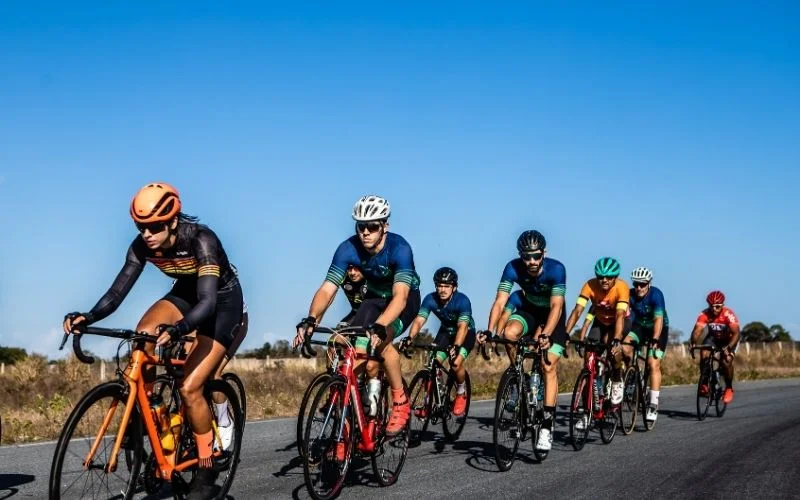
When it comes to biking, several factors come into play that affect the number of calories burned. Understanding these factors can help you accurately estimate and track your fitness progress. Let’s explore some of the key factors that influence calorie burn while biking:
- Metabolic Rate: Your metabolic rate, influenced by size, weight, gender, and age, plays a significant role in calorie burn. Generally, individuals with higher metabolic rates tend to burn more calories during physical activities like biking.
- Intensity and Duration: The intensity and duration of your bike ride also impact the number of calories burned. Higher-intensity rides and longer durations will generally result in a greater calorie burn. You can increase intensity by biking faster or challenging yourself with uphill terrain.
- Weight and Speed: Your body weight and biking speed are additional factors to consider when calculating calorie burn. Heavier individuals typically burn more calories since they require more energy to move their mass. Similarly, biking at higher speeds also leads to increased energy expenditure.
For example, a 170-pound person biking 10 miles per hour burns about 51 calories in just 6 minutes.
Now that we understand the factors influencing calorie burn on biking, let’s dive deeper into the effect of speed and resistance on calorie burn.
- On average, cycling can burn approximately 50 to 60 calories per mile. This can fluctuate based on speed, endurance, and body dimensions.
- According to research, a person weighing around 170 pounds biking at an average speed of roughly 10 miles per hour tends to burn about 51 calories in 6 minutes.
- A study of guided stationary biking – which entails more vigorous pedaling and engages the upper body muscles- found that such activity potentially doubles the calorie burn rate of regular cycling.
Effect of Speed and Resistance on Calorie Burn
The speed at which you pedal and the resistance you encounter while biking directly impact the number of calories burned. Here’s how these two factors influence your calorie expenditure:
- Speed: When you increase your biking speed, your muscles work harder to provide the necessary force for movement. This increased effort leads to a higher calorie burn. However, it’s important to note that maintaining high speeds for prolonged periods may not always be sustainable or practical.
- Resistance: Riding against resistance, such as biking uphill or utilizing a stationary bike with adjustable resistance levels, requires your muscles to work even harder. This increased effort leads to a greater calorie burn than biking on flat terrain or with minimal resistance.
Imagine riding comfortably on a flat road; the calorie burn might be lower than when you encounter hills or increase the resistance on your stationary bike.
You can challenge your muscles and elevate your calorie burn by varying speed and incorporating resistance into your biking routine. However, finding a balance that suits your fitness level and goals is important.
Understanding the effects of speed and resistance on calorie burn is essential, but there are other factors to consider. The next section will explore the role of workout time and intensity in calorie burn while biking.
Role of Workout Time and Intensity in Calorie Burn

Regarding biking, both the duration of your workout and the intensity of your ride significantly determine the number of calories burned. While it’s true that biking is generally a lower-impact exercise compared to activities like running or HIIT workouts, you can still achieve substantial calorie burn through smart choices in time and intensity.
Let’s first consider workout time. The longer you bike, the more calories you can expect to burn. This is because as you pedal for an extended period, your body continuously expends energy to sustain the physical activity. However, remember that other factors, such as speed and terrain, can also influence calorie burn during a given time frame.
For instance, if you go on a leisurely bike ride through flat terrain for an hour, you may burn around 300-400 calories depending on your weight and speed. On the other hand, riding at a faster pace over hilly terrain for the same duration could push your calorie burn closer to 500-600 calories.
Now, let’s move on to intensity. Your effort in biking sessions greatly affects how many calories you burn per mile. Higher intensities require more energy and thus result in greater calorie expenditure. Factors such as resistance level (if using a stationary bike), incline (in outdoor biking), and overall effort determine the intensity of your workout.
For example, if you tackle hilly or challenging routes during your bike rides, your body must work harder to propel itself uphill or overcome obstacles. This increased effort triggers higher calorie burn.
Now that we understand the importance of workout time and intensity in caloric expenditure during biking sessions, let’s explore how to calculate the calories burned per mile.
Calculating Calories Burned Biking Per Mile
We are estimating the number of calories burned while biking per mile varies depending on several factors, including weight, speed, and effort level. However, there are some approximations we can use as a general guideline.
On average, biking at a moderate pace can burn about 50 to 60 calories per mile. However, remember that this estimate is influenced by factors such as your metabolic rate, body size, duration of the ride, and how much effort you put into pedaling.

For instance, a 170-pound person biking 10 miles per hour may burn around 51 calories in just 6 minutes. If they continue at the same pace for an hour-long bike ride covering approximately 10 miles, they could potentially burn about 510 calories.
| Weight | Speed (Mph) | Calories Burned Per Mile |
| 120 lbs | 10 | ~41 |
| 150 lbs | 12 | ~47 |
| 180 lbs | 14 | ~56 |
| 200 lbs | 16 | ~64 |
While these estimations provide a rough idea of calorie expenditure during biking, it’s crucial to note that individual variations exist due to factors such as muscle mass, overall fitness level, and metabolic differences.
To achieve a more accurate calorie burn calculation while biking per mile, consider using tools or devices specifically designed to measure metrics such as heart rate and power output. These tools can provide more precise information based on your data.
Tools for Accurate Bike Calorie Estimations
They accurately estimate the number of calories burned while biking, which is crucial for tracking your fitness progress and setting realistic goals. While several tools and methods are available, it’s important to understand that these estimations provide general guidelines rather than absolute values. Factors such as intensity, duration, speed, weight, and individual differences can affect the accuracy of calorie calculations.
One tool commonly used for estimating calorie burn during biking is a heart rate monitor. By measuring your heart rate during the activity, you can obtain a rough estimation of the calories burned based on established formulas. However, it’s important to note that heart rate-based estimations are not always accurate, as they do not account for factors like power output and individual metabolic rates.
Another tool that provides more precise measurements is a power meter. A power meter measures the power you generate while cycling, accurately representing energy expenditure. Power meters consider variables such as cadence (pedaling speed) and resistance to calculate caloric burn more precisely.
When using these tools, it’s essential to have baseline data regarding your own metabolism and physiological parameters for more accurate results. Additionally, consider that external factors such as wind resistance and terrain can affect your energy expenditure, which these estimations might not account for.
It’s worth mentioning that online calculators and mobile apps can also assist in estimating calorie burn during biking. These tools often use algorithms based on average speed and distance traveled to provide an approximation. Although convenient, their accuracy might vary depending on the quality of the data inputted. Always remember that such estimations are just estimates and may not be accurate for losing weight or achieving specific fitness goals.
- They accurately estimate the number of calories burned, while bikinis are vital for tracking fitness progress and setting realistic goals. While heart rate monitors and online calculators can provide estimations, power meters offer a more precise measurement by considering variables such as cadence and resistance. However, it’s important to have baseline data regarding your own metabolism and physiological parameters for more accurate results. It’s also crucial to understand that these estimations provide general guidelines rather than absolute values, as external factors such as wind resistance and terrain can affect energy expenditure.
Typical Calorie Burn for Different Biking Conditions

The number of calories burned per mile while biking can vary depending on intensity, speed, duration, body weight, and terrain. On average, biking can burn anywhere from 50 to 60 calories per mile, but this estimation is subject to variation.
Let’s explore some scenarios to understand how different biking conditions impact calorie burn. Imagine a leisurely bike ride on flat terrain at a moderate pace of around 10 miles per hour. In this case, you might burn approximately 50 calories for every mile traveled.
Consider a more intense bike ride on hilly terrain with varying elevations. Uphill cycling requires additional effort and engages more muscle groups, resulting in a higher calorie expenditure. Climbing uphill steadily can increase your caloric burn significantly compared to riding on flat terrain. The exact number of calories burned will depend on your weight and speed.
For instance, a person weighing 170 pounds biking at 12 miles per hour uphill may burn around 65 calories per mile. However, someone considering less or cycling slower might burn fewer calories.
In contrast, downhill cycling generally requires less energy due to the assistance of gravity. As a result, the calorie burn during downhill sections is typically lower than on flat or uphill terrain.
It’s essential to note that these estimations are rough averages and can vary depending on individual factors. If you want to maximize your calorie burn while biking, increasing intensity by biking faster or tackling uphill terrain can help intensify your workout session.
Remember that burning calories is just one aspect of overall health and fitness. Don’t forget to listen to your body, set realistic goals, and enjoy the experience of biking!
Impact of Uphill Terrain and Heart Rate on Calorie Burn
Regarding biking, the environment you ride can significantly impact the calories burned per mile. Uphill terrain is particularly demanding and requires more effort to conquer. As your body works harder to pedal uphill against gravity, you engage your muscles more intensely, resulting in a higher calorie burn. Biking uphill can increase your calorie burn by up to 50% compared to riding on flat ground.
For instance, imagine you usually burn around 50 calories per mile while biking on a level road. When tackling a steady uphill climb of the same distance, you could potentially burn about 75 calories per mile due to the added exertion required to overcome the incline.
Moreover, heart rate is critical in determining calorie burn during cycling. The higher your heart rate, the more energy your body expends. This means biking faster or tackling challenging terrains like hills can elevate your heart rate, increasing calorie burn.
Remember that individuals may vary in their cardiovascular fitness levels and how they respond to different intensities and durations of exercise. Monitoring your heart rate throughout your bike ride with the help of a fitness tracker or heart rate monitor can give you valuable insights into your exertion levels.
Understanding the impact of uphill terrain and heart rate on calorie burn is essential for optimizing your biking sessions. It can help you set realistic goals and make informed decisions about adjusting your diet and exercise routines for optimized calorie burning.
Readjusting Diet and Exercise for Optimized Calorie Burning

To optimize calorie burning through biking, it’s important to consider the intensity and duration of your rides and how you fuel and nourish your body before, during, and after cycling. Here are some key considerations:
- Pre-ride nutrition: Fueling your body with a balanced meal or snack before biking can provide the energy needed for an effective workout. Aim for a combination of carbohydrates, protein, and healthy fats to sustain energy.
- During-ride hydration and fuel: Staying hydrated during your ride is crucial for performance and maintaining energy levels. Carry water or electrolyte-rich beverages and consume them regularly. They refuel with easily digestible snacks like energy bars or fruit for longer rides.
- Post-ride recovery and refueling: After a challenging bike ride, prioritize post-workout nutrition to support muscle recovery and replenish depleted glycogen stores. Include a mix of carbohydrates and protein in your post-ride meal to aid muscle repair and replenish energy reserves.
Think of your body as a high-performance machine that needs the right fuel to perform optimally. As a car runs better on premium fuel, your body will serve better when fueled with nutrient-dense foods.
- Strength training: Incorporating strength training exercises into your routine can help build lean muscle mass. Muscles burn more calories at rest than fat, so increasing your muscle mass can enhance calorie burning even when you’re not actively cycling.
- Interval training: Consider incorporating interval training into your biking sessions. Alternating periods of higher-intensity efforts with periods of active recovery can increase calorie burn during and after your ride.
Individual responses to diet and exercise can vary, so listening to your body and adjusting is important. If you’re unsure how to readjust your diet or exercise plan for optimized calorie burning, consulting with a registered dietitian or certified personal trainer can provide personalized guidance tailored to your specific goals and needs.
