
Cycling Tips: Mastering Your Ride with Expert Advice
Cycling is a fantastic way to stay fit, explore the outdoors, and reduce your carbon footprint. Whether you’re a seasoned cyclist or just starting, there are always ways to improve your experience and make your rides safer and more enjoyable. This comprehensive guide will explore various cycling tips, from bike maintenance to safety precautions and training techniques. So, hop on your saddle, and let’s get rolling!
Essential Gear and Bike Maintenance
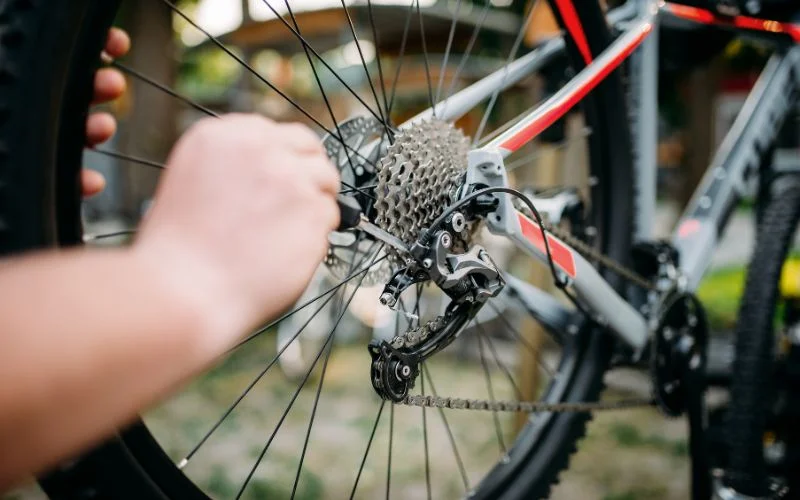
Cycling begins with the basics. Having the right gear and maintaining your bike is the foundation of a seamless and enjoyable ride. This section delves into the world of essential gear and bike maintenance, ensuring you have everything you need for your cycling journey. From choosing the right bike for your riding style to the finer details of proper bike fit and regular maintenance, we’ll equip you with the knowledge and tools necessary to enhance your cycling experience.
Choose the Right Bike
Selecting the right bike is the first and perhaps the most crucial step in your cycling journey. The bicycle will be your trusted companion, and its suitability for your intended riding style is paramount. Exploring different types of bikes, such as hybrid, mountain, and road bikes, will provide insights into choosing the one that perfectly aligns with your cycling goals.
Proper Bike Fit
A well-fitted bike is the key to comfortable and efficient riding. Even a high-end bike won’t provide a satisfying experience if it doesn’t match your body’s proportions. Delve into the finer details of saddle height, handlebar position, and bike frame size, ensuring your bike is ergonomically tailored to your physique. Learn to achieve a harmonious relationship between you and your bike, reducing the risk of discomfort and injuries.
Regular Maintenance
The care you provide to your bike directly impacts its performance and longevity. Regular maintenance ensures your bike functions smoothly and avoids unexpected breakdowns on the road. Explore a schedule that includes tire pressure checks, brake maintenance, chain lubrication, and more.
Safety Gear
Safety should never be compromised when cycling. Essential safety gear can distinguish between an enjoyable ride and a catastrophic incident. Emphasize the importance of wearing a well-fitted helmet, gloves, and reflective clothing to protect yourself. Don’t forget lights and the significance of remaining visible to other road users; ensuring your safety remains a top priority.
Safe and Smart Riding
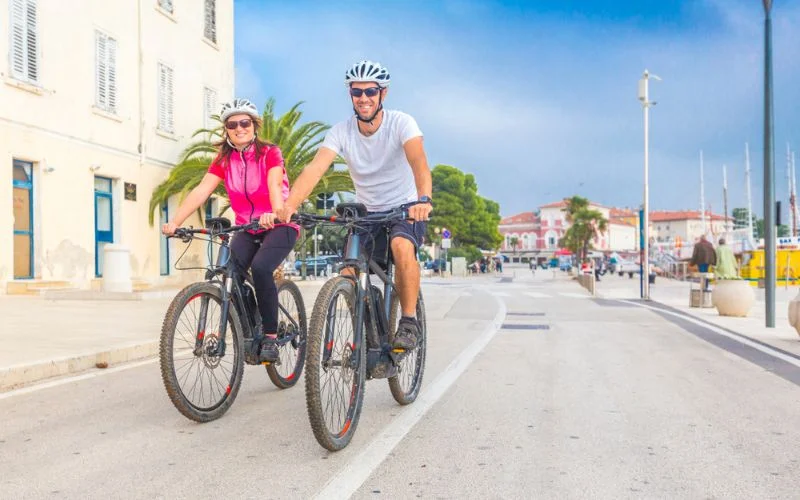
Cycling is not just about pedaling and steering; it’s about navigating the road with skill, awareness, and caution. The “Safe and Smart Riding” section explores the critical aspects of staying safe and making intelligent decisions on your bicycle. From obeying traffic rules to being visible to others on the road and watching for road conditions to avoiding distractions, follow these safety tips to ensure your rides are incident-free.
Obey Traffic Rules
Cyclists are a part of the traffic ecosystem, and it’s crucial to understand and respect the rules of the road. It is essential to follow traffic signals, come to a complete stop at stop signs, and use your turn signals while making turns. Adhering to these rules contributes to a safer environment and enhances your predictability as a cyclist.
Be Visible
Visibility is a fundamental aspect of road safety for cyclists. Make sure you’re visible to drivers. When turning, use front and rear lights, reflective clothing, and hand signals. Avoid blind spots and ride defensively.
Watch Road Conditions
The road is full of surprises, from potholes to wet surfaces and debris. Being vigilant and proactive is essential to navigate these challenges successfully.
Avoid Distractions
Distracted cycling can be just as dangerous as distracted driving. Don’t use your phone or wear headphones. Stay focused on the road ahead.
Effective Training and Riding Techniques

Cycling isn’t just about getting from point A to point B; it’s a physical activity that can be as challenging as rewarding. Whether you’re a casual cyclist or aspiring for a professional level, these training and riding techniques can help you become a more efficient and confident rider.
Warm Up
Getting your body ready for a ride is more than just hopping on your bike and pedaling away. A proper warm-up is essential to prepare your muscles and prevent injury. Stretch your legs, arms, and back to prevent injury.
Pedal Smoothly
Efficiency is the name of the game when it comes to cycling. Pedaling smoothly isn’t just about speed but optimizing your energy expenditure. Use your gears wisely to maintain a comfortable cadence.
Uphill and Downhill Riding
Cycling isn’t always a flat road; you’ll encounter hills and descents. Choosing a mountain bike is best if you’re planning to ride off-road. These bikes are specially designed to handle rough terrain and provide a smoother riding experience. Learn to shift into lower gears, maintain a steady cadence while climbing hills, distribute weight, and control your speed on descents. These techniques will make hilly terrain less intimidating and more manageable.
Drafting
Group riding is a common and exhilarating experience for many cyclists. Drafting, or riding closely behind another cyclist to reduce wind resistance, is valuable in these scenarios. Mastering drafting can significantly enhance riding efficiency and performance, whether cycling for leisure or competitive events.
Fueling Your Ride

Just like a car needs the right fuel to run efficiently, your body requires the right nutrition and hydration to perform at its best during a ride. To keep your energy levels up and prevent the dreaded “bonk,” it’s important to fuel your body properly when cycling. Here are some tips on nutrition and hydration.
Pre-Ride Nutrition
Before a long ride, consume a balanced meal with carbohydrates, proteins, and healthy fats. This will provide the necessary energy for your ride.
Stay Hydrated
Dehydration can lead to fatigue and cramps. Bring enough water and consider an electrolyte drink, especially on hot days or extended rides.
During the Ride
Consume easily digestible snacks during your ride to maintain energy levels. Options like energy gels, bars, and fruits are convenient and effective.
Conclusion
Cycling is a fantastic way to stay active and enjoy the great outdoors. Following these cycling tips can make your rides safer, more enjoyable, and more effective. Always prioritize safety, maintain your bike, and fuel your body properly. Whether you’re a beginner or a seasoned rider, these tips will help you master your cycling experience. So, gear up, hop on your bike, and enjoy the ride!
FAQs
1. Can cycling help me lose weight?
Yes, cycling is an excellent way to shed extra pounds. It burns calories, improves metabolism, and builds muscle, making it a great choice for weight loss.
2. How often should I service my bike?
The frequency of bike servicing depends on your riding habits. For regular riders, a yearly checkup is recommended. However, consider more frequent checkups if you ride frequently or in adverse conditions.
3. Is it essential to wear cycling-specific clothing?
While not mandatory, cycling-specific clothing can greatly enhance your comfort. They are designed to wick away sweat, reduce wind resistance, and provide extra padding where needed, making your rides more enjoyable.
