
V Brakes vs Cantilever: A Comprehensive Comparison
When choosing the right brakes for your bicycle, there are several options to consider. Two of the most popular choices are V-brakes and cantilever brakes. Both have advantages and disadvantages, and their choice depends on your specific needs and preferences. In this article, we will compare V-brakes and cantilever brakes in detail, exploring their features, performance, and suitability for various riding styles.
Understanding V-Brakes
V-brakes, short for “linear-pull brakes,” are a type of rim brake commonly found on modern mountain bikes and hybrid bikes. They are named for their distinctive V-shaped brake arms that attach to the bicycle’s frame or fork. V-brakes are known for their powerful stopping capabilities and ease of maintenance, making them a popular choice for many riders.
Advantages of V-Brakes
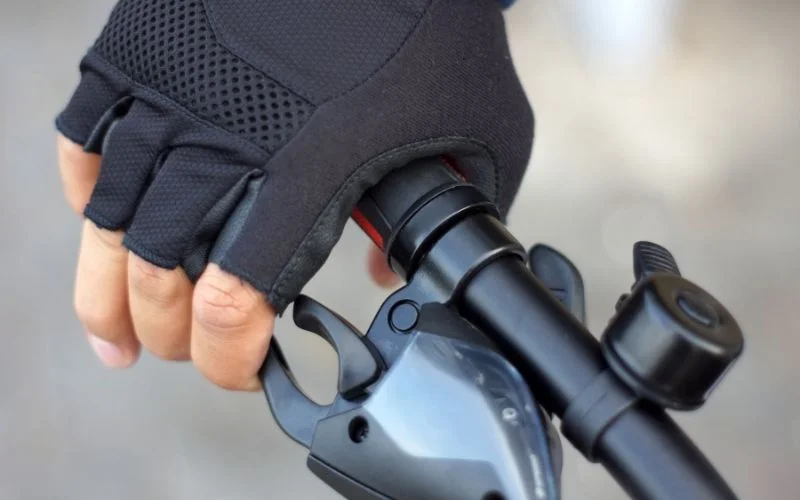
- High Stopping Power: V-brakes offer excellent stopping power, which is crucial for riders who require quick and efficient braking, especially in off-road or steep downhill conditions.
- Ease of Maintenance: Maintaining V-brakes is relatively straightforward. They are easy to adjust, and replacement parts are widely available, making them a cost-effective choice for cyclists.
- Compatibility: V-brakes work well with a wide range of rim widths and tire sizes, providing versatility for different riding styles and terrains.
Disadvantages of V-Brakes
- Clearance Issues: One limitation of V-brakes is that they may have limited clearance for wider tires and fenders, which can be problematic for riders who prefer larger, knobbier tires or use their bikes for commuting.
- Modulation: V-brakes can lack the modulation found in some other brake types, which can make it challenging to fine-tune braking force for precise control in certain situations.
Understanding Cantilever Brakes
Cantilever brakes are an older design used on various types of bicycles, including cyclocross and touring bikes. They are named for their “cantilever” style arms that extend over the tire, providing a mechanical advantage to increase braking power.
Advantages of Cantilever Brakes
- Ample Clearance: Cantilever brakes offer more clearance for wider tires and fenders compared to V-brakes, making them a preferred choice for cyclocross and touring cyclists.
- Good Modulation: Cantilever brakes are known for their excellent modulation, allowing riders to apply precise braking force, which is crucial in technical terrain or during cyclocross races.
- Lightweight Design: Cantilever brakes are generally lighter than V-brakes, which can appeal to riders who prioritize weight savings on their bicycles.
Disadvantages of Cantilever Brakes
- Reduced Stopping Power: While cantilever brakes provide adequate stopping power for most situations, they may not match the sheer stopping force of V-brakes, particularly in steep descents.
- Maintenance Complexity: Cantilever brakes can be more challenging to set up and maintain due to their intricate design, which may require more attention and expertise.
Which Brake System Is Right for You?
The choice between V-brakes and cantilever brakes ultimately depends on your specific riding style and preferences. Here are some scenarios where each type of brake may be more suitable:
Choose V-Brakes if
- Mountain Biking: If you primarily ride off-road and require strong stopping power, V-brakes are an excellent choice.
- Simplicity Matters: If you prefer a brake system that is easy to maintain and repair, V-brakes are a solid option.
- Cost-Conscious: V-brakes are generally more budget-friendly, making them a great choice for riders looking for affordability without sacrificing performance.
Choose Cantilever Brakes if
- Cyclocross or Touring: If you are into cyclocross racing or touring and need more tire clearance, cantilever brakes are ideal.
- Precise Control: For riders who value precise modulation and control, especially in technical terrain, cantilever brakes offer a distinct advantage.
- Weight Savings: If you’re looking to shed weight from your bike, the lighter design of cantilever brakes may be appealing.
Tips for Maintaining Your Chosen Brake System
Once you’ve selected either V-brakes or cantilever brakes based on your specific needs, it’s essential to keep them in top condition for optimal safety and performance. Here are some maintenance tips for both brake systems:
Maintenance Tips for V-Brakes
- Regular Inspection: Periodically check your V-brake pads for wear. Worn pads can reduce braking performance and should be replaced promptly.
- Cable Tension: Ensure that the brake cables are correctly tensioned. Adjust as needed to maintain consistent and responsive braking.
- Clean Rims: Keep your rim brake tracks clean from dirt and debris, as this can affect braking efficiency. Use a soft brush or a rag to clean the rims if necessary.
- Pad Alignment: Make sure the brake pads are aligned correctly with the rim’s braking surface. Misaligned pads can lead to uneven wear and reduced performance.
- Replace Cables and Housing: Over time, brake cables and housing can become worn and affect the braking feel. Replace them when needed to maintain smooth operation.
Maintenance Tips for Cantilever Brakes

- Toe-In Adjustment: Cantilever brake pads should be set with a slight toe-in, meaning the front of the pad contacts the rim slightly before the rear. This prevents squealing and improves modulation.
- Balanced Setup: Ensure that both arms of the cantilever brakes move symmetrically when you squeeze the brake lever. Adjust the spring tension to achieve a balanced setup.
- Inspect Cable and Housing: Check the brake cables and housing for signs of wear, rust, or fraying. Replace them if necessary to maintain consistent braking.
- Rim Cleaning: Just like with V-brakes, clean the rim’s braking surface regularly to prevent reduced braking performance due to debris buildup.
- Straddle Cable Height: Adjust the height of the straddle cable according to your preference for power and modulation. The higher placement provides more power, while the lower placement enhances modulation.
Conclusion
V-brakes and cantilever brakes have strengths and weaknesses, and the right choice depends on your specific needs and preferences. Consider the riding you do, your budget, and your desire for either simplicity or precise control when making your decision. Whichever brake system you choose, proper setup and maintenance are key to ensuring safe and reliable braking performance on your bicycle.
FAQs
1. Can I use V-brakes on a cyclocross bike?
While it’s possible to use V-brakes on a cyclocross bike, cantilever brakes are generally a better choice due to their increased tire clearance and superior modulation for cyclocross racing.
2. Are V-brakes compatible with drop handlebars?
Yes, V-brakes can be used with drop handlebars, but you may need to install additional cable routing hardware to adapt them to the brake levers.
3. Can I upgrade my existing cantilever brakes to V-brakes?
In most cases, you can upgrade from cantilever brakes to V-brakes, but you will need to ensure that your frame and fork are compatible with V-brakes and may need to replace the brake bosses or posts.
