
Power of E-Biking: A Guide to Minnesota Electric Bike Laws
Electric bikes, also known as e-bikes, have gained immense popularity recently due to their convenience and eco-friendly nature. However, if you’re in Minnesota and considering riding an electric bike, it’s crucial to familiarize yourself with the state’s electric bike laws to ensure you’re riding safely and legally. In this article, we’ll delve into the specifics of Minnesota’s electric bike regulations, covering everything from definitions to where you can ride and more.
What are Electric Bikes?

Electric bikes, commonly known as e-bikes, come in various forms, but they all share one defining feature: electric assistance. In Minnesota, these bikes are classified into three main categories, each with unique characteristics. Understanding these classifications is fundamental when navigating Minnesota’s electric bike laws.
Classifying Electric Bikes
In Minnesota, electric bikes are classified into three main categories:
- Class 1 E-Bikes: These are pedal-assist e-bikes, which only provide assistance when the rider is pedaling. They have a maximum motor-assisted speed of 20 mph.
- Class 2 E-Bikes: These e-bikes have a throttle that allows riders to propel the bike without pedaling. Like Class 1 e-bikes, they also have a maximum motor-assisted speed of 20 mph.
- Class 3 E-Bikes: These are pedal-assist e-bikes with a maximum motor-assisted speed of 28 mph. They are allowed on roads but not bike paths or trails unless posted otherwise.
Key Components of E-Bikes
E-bikes typically include the following components:
- Electric Motor: The motor assists the rider.
- Battery: Stores the electric energy required to power the motor.
- Controller: Regulates the power flow from the battery to the engine.
- Pedal Sensor: Detects when the rider is pedaling and activates the engine accordingly.
- Throttle (if applicable): Allows riders to control the machine without pedaling.
Minnesota’s Electric Bike Laws
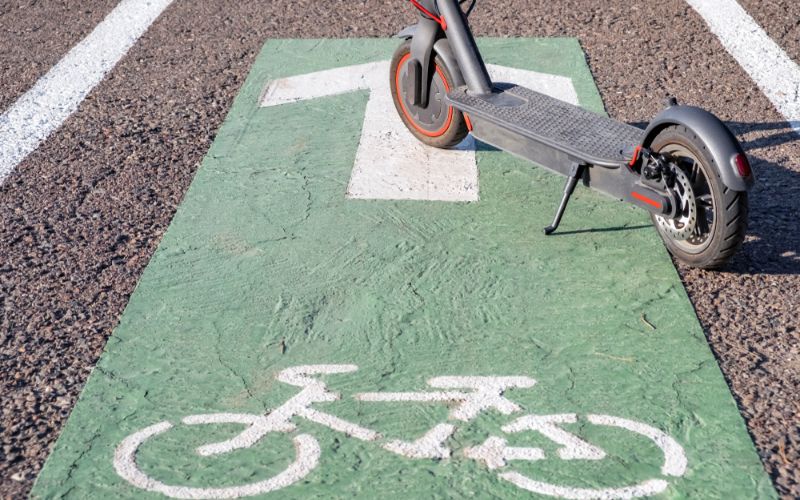
Minnesota’s electric bike laws are essential to ensure rider safety and adherence to legal regulations. Here’s a breakdown of the key aspects you need to know:
Age and Licensing Requirements
Minnesota has no minimum age requirement to operate an electric bike. You also do not need a driver’s license or learner’s permit to ride one. This makes e-bikes accessible to riders of all ages.
Equipment and Safety Regulations
When riding an electric bike in Minnesota, you must adhere to the following safety regulations:
- Helmets: While not mandatory for riders 18 years and older, wearing a helmet for safety is strongly recommended.
- Lights and Reflectors: E-bikes must have a front white light visible from at least 500 feet and a rear red reflector or light visible from at least 600 feet at night.
- Audible Signal: E-bikes should be equipped with a bell or horn to alert pedestrians and other road users.
Speed Limits for E-Bikes
In Minnesota, the maximum motor-assisted speed for e-bikes is 20 mph, regardless of the e-bike class. Riders must not exceed this speed limit on public roads, paths, or trails.
Where You Can Ride Your E-Bike
Like traditional bicycles in Minnesota, e-bikes are generally allowed on roads and bike lanes. However, there are some important considerations:
- Sidewalk Riding: It is generally legal to ride e-bikes on sidewalks unless local ordinances prohibit it. Always check local regulations, as some cities may have specific rules.
- Trails and Paths: Class 1 and 2 e-bikes are typically allowed on paved trails and bike paths. However, Class 3 e-bikes may not be permitted unless signage indicates otherwise.
Riding on Trails
Minnesota has an extensive network of trails, but it’s essential to know the rules when riding your e-bike on them:
- State Trails: E-bike use on state trails follows the same regulations as other bicycles, with Class 1 and 2 e-bikes typically being allowed.
- Local Trails: Local jurisdictions may have their own rules regarding e-bike usage on trails, so always check for signs or local ordinances.
Local Regulations
Minnesota has many cities and counties, each with its local regulations. Knowing local e-bike ordinances and restrictions when riding within a specific area is essential. Local rules may vary, affecting where and how you can hang your e-bike.
Additional Considerations for Electric Bike Riders

As you embark on your electric bike adventures in Minnesota, several additional considerations can enhance your experience and ensure your safety:
Maintenance and Safety Checks
Regular electric bike maintenance is essential to ensure it operates safely and efficiently. Here are some tips:
- Check Tire Pressure: Maintain proper tire pressure to improve traction and prevent accidents.
- Brake Inspection: Ensure your brakes are in good working condition to stop effectively when needed.
- Battery Care: Follow the manufacturer’s guidelines for charging and storing your e-bike’s battery.
- Inspect Lights: Regularly check your bike’s lights and reflectors to ensure nighttime visibility.
Environmental Benefits
Electric bikes offer numerous environmental advantages. They produce zero emissions and reduce the carbon footprint associated with transportation. By choosing an e-bike over a gas-powered vehicle for short trips, you can contribute to a cleaner environment.
Advocacy and Awareness
Joining local e-bike advocacy groups and staying informed about changes in electric bike laws can help protect your rights as a rider. Advocacy groups often work to improve e-bike access and promote responsible riding.
Electric Bike Insurance
While not mandatory, obtaining insurance for your electric bike is a wise decision. Insurance can protect you in case of accidents, theft, or damage to your e-bike. Explore insurance options tailored to electric bikes to find coverage that suits your needs.
Safety Training
Consider taking an e-bike safety course, especially if you’re new to electric biking. These courses provide valuable information on safe riding practices, traffic rules, and how to handle your e-bike effectively.
Conclusion
Minnesota’s electric bike laws are designed to ensure the safety of riders and the public while providing the opportunity to enjoy the benefits of electric biking. Understanding and adhering to these laws allows you to have a fantastic and legal e-bike riding experience.
Always remember to wear a helmet, follow speed limits, and be aware of local regulations that may affect where you can ride. E-bikes are a fun and eco-friendly mode of transportation, and by riding responsibly, you can contribute to safer roads and a greener environment.
Stay informed, advocate for responsible e-bike usage, and enjoy the many advantages electric bikes offer in the beautiful state of Minnesota. Happy riding!
FAQs
1. Are helmets required when riding an electric bike in Minnesota?
Helmets are not legally required for riders 18 and older when operating an electric bike in Minnesota. However, it’s strongly recommended to wear a helmet to ensure your safety while riding.
2. Can I ride my e-bike on sidewalks?
In Minnesota, riding e-bikes on sidewalks is generally allowed unless local ordinances prohibit it. Always check local regulations, as some cities may have specific rules regarding sidewalk riding.
3. What are the penalties for violating electric bike laws in Minnesota?
Penalties for violating electric bike laws in Minnesota can vary depending on the nature of the violation and local ordinances. Common violations may include riding an e-bike on prohibited trails or exceeding the speed limit. Penalties may involve fines or warnings, so following the rules is essential to avoid any legal consequences.
