
How to Balance on a Bike: Tips and Techniques
Riding a bicycle is a skill that many of us learn as children, and it’s a skill that can provide a lifetime of enjoyment and exercise. However, mastering balancing on a bike can be challenging for some. Whether you’re a beginner or looking to improve your biking skills, this article will provide valuable tips and techniques on balancing a bike effectively.
Understanding the Basics of Bike Balance

Before we dive into the specific tips and techniques, it’s essential to understand the fundamental principles of bike balance. Balancing on a bike relies on the interplay of several factors:
Center of Gravity
Your body’s center of gravity plays a crucial role in bike balance. When riding a bike, your center of gravity should be positioned directly over the bike’s centerline, usually between the two wheels. This alignment helps maintain stability.
Forward Momentum
Forward momentum refers to the continuous movement of your bicycle in the forward direction. It is a product of your pedaling force and the resistance encountered by terrain, air resistance, and friction. Maintaining and optimizing forward momentum is essential for various aspects of cycling:
- Balance and Stability: Forward momentum helps stabilize your bike. As long as you’re moving forward, the bike tends to remain upright due to the gyroscopic effect of the rotating wheels.
- Efficiency: Riding with consistent forward momentum minimizes energy wastage. You expend less effort when rolling smoothly than starting and stopping frequently.
- Speed: Forward momentum is key to achieving and sustaining higher speeds. Cyclists often work to maximize their momentum to reach their desired velocity.
- Handling and Control: While turning, braking, or maneuvering obstacles, maintaining some degree of forward momentum ensures better handling and control.
Steering and Countersteering
Subtle steering and countersteering movements with the handlebars help you maintain balance. Leaning slightly into turns and adjusting the handlebars as needed is essential for stability.
Now that we’ve covered the basics let’s explore some practical tips to help you balance on a bike effectively.
Tips for Balancing on a Bike
Balancing on a bicycle is a skill many of us take for granted once we’ve mastered it, but it can be a daunting task for beginners or those looking to improve their bike-riding abilities. This article provides valuable tips and techniques to help you achieve better balance on a bike, whether you’re just starting or looking to fine-tune your skills.
- Choose the Right Bike Size: Ensure your bike is the right size. An appropriately sized bike makes it easier to maintain balance and control. Your feet should be able to touch the ground while you’re seated.
- Start with Flat, Smooth Terrain: Beginners should practice on flat, smooth surfaces with minimal traffic. This provides a stable environment for learning how to balance.
- Maintain a Comfortable Riding Position: Keep your back straight, elbows slightly bent, and your weight evenly distributed on the saddle and handlebars. Avoid leaning too far forward or backward.
- Practice the “Balancing Act”: Try the “Balancing Act” exercise by rolling at a slow, controlled pace without pedaling. Focus on keeping your bike upright and using your body’s movements to maintain balance.
- Master Steering and Countersteering: Practice turning and steering by leaning into the turns and gently using the handlebars to adjust your course. Countersteer to bring the bike back to an upright position after a turn.
- Keep a Relaxed Grip: Gripping the handlebars too tightly can lead to instability. Maintain a relaxed grip to allow the bike to move freely beneath you.
- Use Your Peripheral Vision: Keep your eyes up and look ahead. Peripheral vision helps you anticipate obstacles and make necessary adjustments to maintain balance.
- Practice, Practice, Practice: Like any skill, practice is essential. The more you ride, the better your balance will become. Start with short rides and gradually increase your distance and difficulty level.
Advanced Techniques for Bike Balance
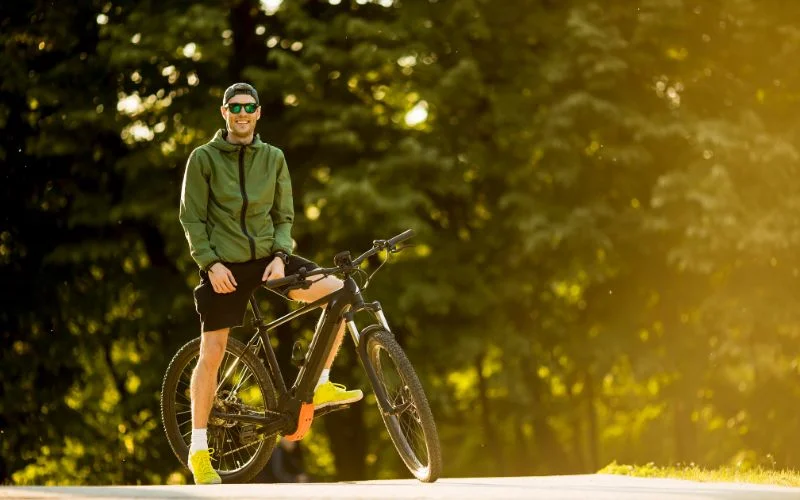
Once you’ve mastered the basics, you can explore some advanced techniques to improve your bike balancing skills further:
Riding With No Hands
Riding a bicycle without holding onto the handlebars is a skill that many cyclists aspire to master. It not only adds an element of finesse to your cycling repertoire but also showcases a high level of confidence and control. This section will explore the art of riding with no hands and offer guidance on achieving this impressive feat.
Riding Slowly
While speed and agility are exciting aspects of cycling, learning to ride slowly with control and precision is equally important. Riding slowly allows you to navigate tight spaces, easily handle traffic, and boost your overall bike handling skills. This section will explore the art of riding slowly and offer tips to help you master this essential skill.
Riding Over Obstacles
Cycling isn’t always about smooth, well-paved roads. You’ll often encounter obstacles such as curbs, potholes, rocks, and tree roots. Knowing how to navigate these obstacles confidently and skillfully is essential for every cyclist. This section will explore techniques for riding over obstacles safely and effectively.
Common Mistakes to Avoid
While learning how to balance on a bike, you must be aware of common mistakes that can hinder your progress. Here are some pitfalls to avoid:
- Stiffness: Stiffening up while riding can make it challenging to maintain balance. Relax your arms and shoulders, and grip the handlebars for natural movement.
- Fear of Falling: Fear of falling is natural, but being too apprehensive can lead to overcorrection and loss of balance. Gradually build your confidence and trust in your abilities.
- Overcompensating: When the bike starts to lean, it’s common to overcompensate by turning the handlebars too far. This can lead to a loss of balance in the opposite direction. Focus on small, precise movements.
- Not Looking Ahead: Staring at the ground or your front wheel can disrupt your balance. Keep your eyes up and look ahead to anticipate and react to changes in terrain and traffic.
- Skipping the Basics: Don’t rush into advanced techniques before mastering the fundamentals. Building a strong foundation in bike balance will make it easier to tackle more challenging maneuvers later on.
Safety Precautions
Safety should always be a top priority as you work on improving your bike balance. Here are some safety precautions to keep in mind:
Wear Protective Gear
Always wear a properly fitted helmet to protect your head in case of a fall. Additionally, consider wearing gloves, knee, and elbow pads for added protection.
Be Visible
If riding on the road, wear bright and reflective clothing to make yourself visible to drivers. Equip your bike with lights and reflectors, especially when riding in low-light conditions.
Know Your Limits
Pushing your limits is essential for growth, but knowing when to stop is equally important. Don’t attempt advanced maneuvers until you’re confident in your basic balancing skills.
Taking Your Skills to the Next Level
Once you’ve mastered the art of bike balance, you can explore various cycling disciplines and activities that require advanced balance and control. Here are a few options:
- Mountain Biking: Mountain biking challenges your balance and control on rugged terrain, steep descents, and technical obstacles. It’s an excellent way to put your skills to the test while enjoying the great outdoors.
- BMX Riding: BMX riding involves performing tricks and stunts on a small, maneuverable bike. Executing tricks such as bunny hops, tailwhips, and manuals requires exceptional balance and precise control.
- Road Cycling: For those who prefer smooth, fast-paced rides, road cycling offers an opportunity to perfect your balance while covering long distances on paved roads. You’ll need to balance speed, endurance, and agility.

Conclusion
Balancing on a bike is critical for cyclists of all ages and levels. By understanding the basic principles of balance, practicing on the right terrain, and using the tips and techniques in this article, you can improve your bike balancing skills and enjoy a lifetime of cycling adventures. Remember, practice makes perfect, so don’t be discouraged if it takes time to master this skill. Happy cycling!
FAQs
1. How long does it take to learn how to balance on a bike?
The time it takes to learn varies from person to person, but with consistent practice, most beginners can achieve basic bike balance within a few hours or days.
2. Are training wheels necessary for learning to balance on a bike?
Training wheels can provide extra stability for very young or apprehensive riders, but they may delay the development of essential balance skills. It’s often recommended to skip training wheels and start with a balanced bike or remove the pedals from a regular bike.
3. Is bike balance important for adults, or is it mainly for kids?
Bike balance is essential for cyclists of all ages. Whether you’re a child or an adult, maintaining balance is a fundamental skill for safe and enjoyable biking.
