
Demystifying Denver Electric Bike Laws: A Comprehensive Guide
Electric bikes, also known as e-bikes, have gained significant popularity in recent years as an eco-friendly and efficient mode of transportation. Like many other cities, Denver has seen a surge in e-bike usage. However, before you hit the streets of the Mile-High City on your electric bike, it’s crucial to understand the local regulations and laws governing their use. In this comprehensive guide, we’ll delve into Denver’s electric bike laws to ensure you stay on the right side of the law while enjoying your e-bike adventures.
Understanding Electric Bikes
Before we dive into the specifics of Denver’s electric bike laws, let’s clarify what electric bikes are and how they differ from traditional bicycles.
What Are Electric Bikes?
Electric bikes, or e-bikes, are bicycles equipped with an electric motor that assists the rider’s pedaling efforts. These motors come in various forms, including pedal-assist and throttle-controlled systems. E-bikes offer a more effortless and faster way to get around, making them an attractive option for commuters and recreational riders.
Denver’s Electric Bike Classifications
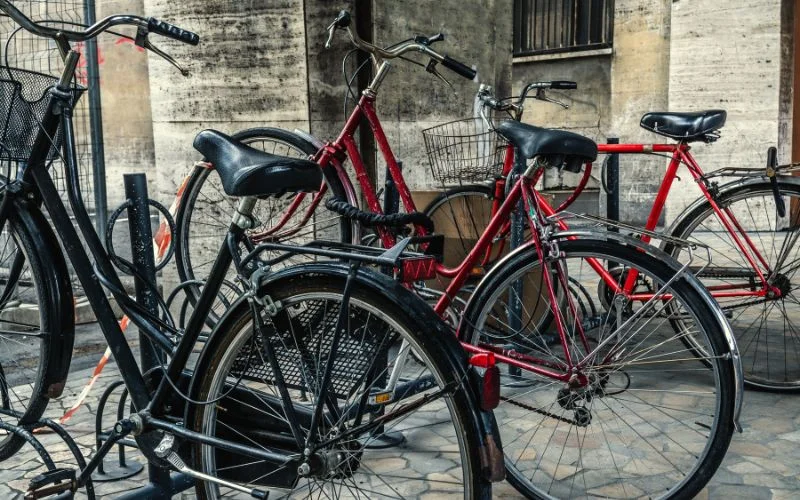
Denver categorizes electric bikes into three main classes, each with regulations and restrictions. Understanding these classifications is essential for compliance with local laws.
Class 1 E-Bikes
Class 1 e-bikes are equipped with a motor that provides assistance only when the rider is pedaling and ceases to assist when the bike reaches a speed of 20 miles per hour. These e-bikes are often allowed on bike and multi-use paths unless otherwise posted.
Class 2 E-Bikes
Class 2 e-bikes, on the other hand, come with a throttle that can propel the bike without pedaling. However, they are also limited to a top speed of 20 miles per hour. Like Class 1 e-bikes, they are typically permitted on bike and multi-use paths unless specific restrictions apply.
Class 3 E-Bikes
Class 3 e-bikes have a motor that assists the rider only when pedaling and disengages when the bike reaches 28 miles per hour. These e-bikes may not be allowed on certain bike and multi-use paths, so checking local regulations is essential.
Where Can You Ride Your E-Bike in Denver?
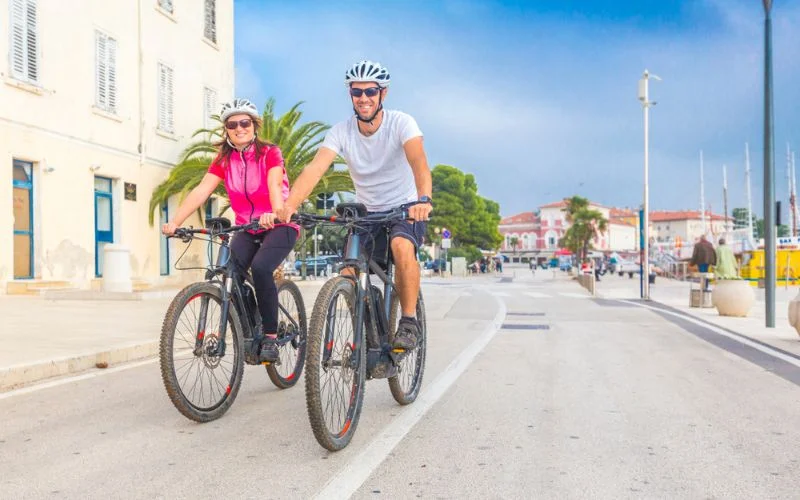
Now that you understand the different e-bike classifications, let’s explore where you can legally ride your e-bike in Denver.
Bike Lanes and Roads
Denver allows e-bikes of all classes to operate in standard bike lanes and on public roads. However, following traffic rules and maintaining a safe speed while sharing the road with motor vehicles is crucial.
Multi-Use Paths
Class 1 and 2 e-bikes are generally permitted on multi-use paths like the Cherry Creek Trail and Platte River Trail. However, due to speed limitations, Class 3 e-bikes may not be allowed on some of these paths.
Parks and Open Spaces
E-bikes may not be allowed in certain parks or open spaces within Denver. Always check for posted signs or consult with local authorities to ensure compliance.
Safety Considerations for E-Bike Riders
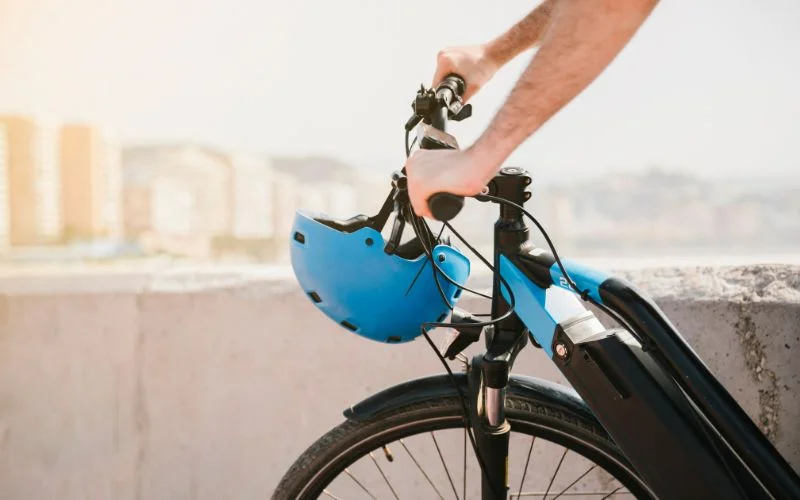
While riding an e-bike can be an enjoyable experience, safety should always be a top priority. Here are some safety tips for e-bike riders in Denver:
Wear a Helmet
Regardless of the e-bike class, wearing a helmet is essential for safety. It’s not only a good practice but also required by law for riders under 18 years old.
Respect Pedestrians
When sharing multi-use paths with pedestrians, always yield the right of way and pass at a safe speed. Be courteous and give pedestrians plenty of space.
Follow Speed Limits
Respect the speed limits imposed on specific paths or areas. Class 3 e-bike riders should be especially vigilant about staying within the allowed speed range.
Navigating Denver’s Electric Bike Laws
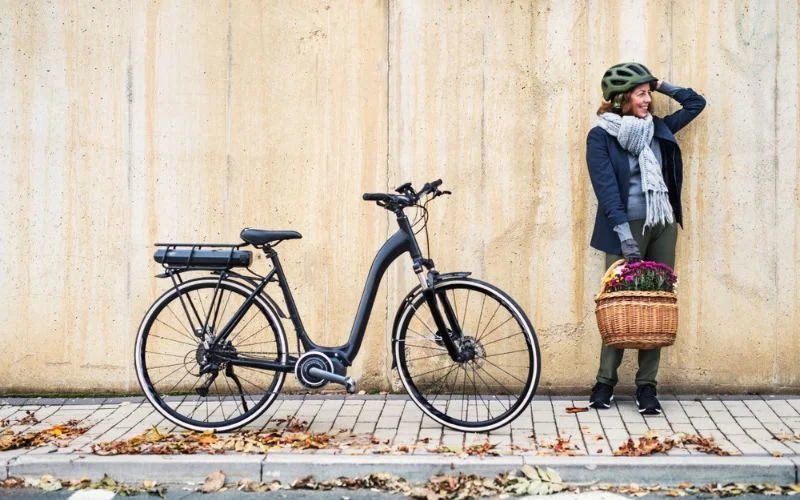
In this continued discussion of Denver’s electric bike laws, we’ll delve deeper into some essential aspects of e-bike regulations and provide further insights to help you make the most of your electric biking experience.
Registration and Licensing
One of the advantages of electric bikes is that they typically don’t require registration or licensing. In Denver, e-bikes are treated like traditional bicycles, which means you won’t need a driver’s license or vehicle registration to operate one. This simplicity makes e-bikes accessible to many individuals, regardless of age or prior licensing.
Local Variations in Regulations
While we’ve discussed Denver’s electric bike laws broadly, it’s essential to recognize that local regulations can vary. Different municipalities within the Denver metropolitan area may have slightly different rules and restrictions. Therefore, if you plan to ride your e-bike outside the city limits, you should check with the specific jurisdiction to understand their regulations better.
Maintenance and Safety Checks

Like any other vehicle, e-bikes require regular maintenance to operate safely and efficiently. Here are some maintenance and safety tips to keep your e-bike in top shape:
Regularly Inspect Your E-Bike
Before each ride, take a few moments to inspect your e-bike. Check the tires for proper inflation, ensure the brakes function correctly, and examine the frame for any visible damage or loose components. This simple routine can help prevent accidents caused by mechanical failures.
Keep Your Battery Charged
Most e-bikes rely on lithium-ion batteries for power. To ensure your e-bike functions as intended, keep the battery charged according to the manufacturer’s recommendations. Running out of battery power mid-ride can be inconvenient and potentially dangerous, especially if you rely on your e-bike for commuting.
Learn Basic Repairs
While e-bikes are generally reliable, knowing how to perform basic repairs and adjustments can be beneficial. Familiarize yourself with tasks such as fixing a flat tire, adjusting brakes, and maintaining your drivetrain. This knowledge can save you time and money in the long run.
Conclusion
Denver’s electric bike laws aim to balance encouraging eco-friendly transportation and ensuring the safety of all road users. By understanding the regulations, practicing safe riding habits, and maintaining your e-bike, you can enjoy the many benefits of electric biking in the Mile-High City. Whether commuting, exploring scenic trails, or simply enjoying the open road, e-bikes offer a convenient and environmentally conscious way to get around Denver and its surrounding areas.
FAQs
1. Can I ride my Class 3 e-bike on all bike paths in Denver?
No, Class 3 e-bikes may not be allowed on some bike paths, so always check for local regulations and posted signs to ensure compliance.
2. Do I need a driver’s license to operate an e-bike in Denver?
You do not need a driver’s license to operate an e-bike. E-bikes are treated as bicycles in Denver, and standard bicycle laws apply.
3. Are there age restrictions for riding e-bikes in Denver?
Riders under 16 years old cannot operate Class 3 e-bikes in Denver. Additionally, all riders under 18 years old must wear a helmet.
