
Bike Tyre Valves: Understanding Different Valve Types
Bike tire valves come in three main varieties. These include Schrader valves, usually found on lower-end bicycles and cars due to their broader size. Then there are Presta valves, noted for their slim and long stem. You’ll find these often on high-quality bikes; they require a distinct pump. The third kind is the Dunlop/Woods valve, primarily used on European city bikes. It is notable for its simplicity, with a wider structure than Presta yet equipped with an easy-to-use spring-loaded pin.
Inspect the valve stem to know what kind of valve your E-bike has. Now, ready yourself for a surprise. This seemingly simple task becomes a scavenger hunt where Schrader showcases a spring-loaded pin in the center, Presta puts on display a leaner, extended stem with a tiny locknut at the top, and Dunlop/Woods itself presents a straightforward, spring-loaded pin.
Bike Tyre Valve Varieties
When it comes to bike tire valves, there are three main types you’re likely to encounter: Schrader, Presta, and Dunlop/Woods valves. Each type has unique characteristics, and knowing about them can help you better maintain your bike tires and choose the right equipment for inflation.
Schrader Valves
Schrader valves are widely recognized for their use in cars and less expensive bikes. Their wider diameter compared to other valve types makes it easier for air to enter and exit, facilitated by a check valve that controls airflow. While this type of valve is known for its durability and easy availability, it does require a larger valve hole in the rim compared to others.
Pros of Schrader Valves:
- Widely used and easily replaced
- Durable and easy-to-find replacements
Cons of Schrader Valves:
- Heavier than other valve types
- Requires a larger valve hole in the rim
If you have a bike with a standard setup or frequently switch between biking and driving, you’ll likely find Schrader valves more convenient for maintaining tire pressure.
Presta Valves
On the other end of the spectrum, Presta valves are about half as wide as Schrader valves and are commonly found on high-end bicycle tires. Unlike Schrader valves, Presta valves seal solely based on air pressure, requiring a smaller hole in the rim. These lightweight valves are ideal for high-pressure tires typically used in performance-oriented cycling.
Pros of Presta Valves:
- Lightweight and suitable for high-pressure tires
- Smaller valve hole required in the rim
Cons of Presta Valves:
- It is less common in comparison to Schrader valves
- It may require an adapter for certain pumps
Cyclists who prioritize performance often prefer Presta valves due to their compatibility with narrow rims and minimal weight when racing or taking long rides.
Dunlop/Woods Valves
Though less common worldwide, the Dunlop/Woods valve is frequently found on European city bikes. Like Presta valves, it is suitable for high-pressure tires and features a simple design compatible with a wide range of pumps.
Pros of Dunlop/Woods Valves:
- Simple design that is compatible with a wide range of pumps
Cons of Dunlop/Woods Valves:
- It is less common in comparison to Schrader and Presta valves
- It may not be suitable for ultra-high-pressure tires
City commuters who use bikes for daily transportation might opt for Dunlop/Woods valves due to their convenience when inflating tires at various public bike pumps found throughout urban areas.
Understanding the distinct advantages and disadvantages of each bike tire valve type not only aids in choosing the right equipment but also helps maintain optimal tire pressure according to specific biking needs.
Moving from valve types to identifying your bike tire valve is essential for proper maintenance and inflation practices.
Identifying Your Bike Valve Type
So, you’re out with your trusty bike and suddenly realize that you must pump up the tires. But wait, which valve do they have? No worries, identifying the valve type on your electric bike is pretty straightforward once you know what to look for.
Schrader Valves
These are the most common valves on cars and inexpensive bikes. Look for a spring-loaded pin in the center to identify a Schrader valve. This pin controls airflow in and out of the tire and can be easily spotted by removing the cap. It’s wider than other valve types, making it easily recognizable.
Presta Valves
Presta valves are commonly used in higher-end bicycle tires. You can identify them by looking for a thinner and longer stem with a small locknut at the tip. The length and delicate appearance help differentiate them from Schrader valves. Presta valves do not have a spring-loaded mechanism and instead rely on air pressure alone to create a seal.
Dunlop/Woods Valves
These or Woods valves are often found on city bikes and older models. To identify a Dunlop/Woods valve, look for a wider stem than a Presta valve. It resembles a hybrid of the Schrader and Presta but has simpler mechanics. It is identifiable by a simple spring-loaded pin at the top for controlling airflow.
Remember to properly identify your bike valve type before inflating your tires. This will ensure compatibility with your pump and avoid unnecessary frustration. Furthermore, understanding the different types of valves will help you make informed decisions when purchasing replacement tubes or accessories for your electric bike.
As we’ve discussed the importance of identifying your bike valve type, it’s time to explore the various inflation techniques suitable for each type.
Inflation Techniques for Bike Tyres
Properly inflating your bike tires is essential for a smooth and safe ride. Each valve type has its unique inflation process, which can enhance your cycling experience.
Schrader Valves
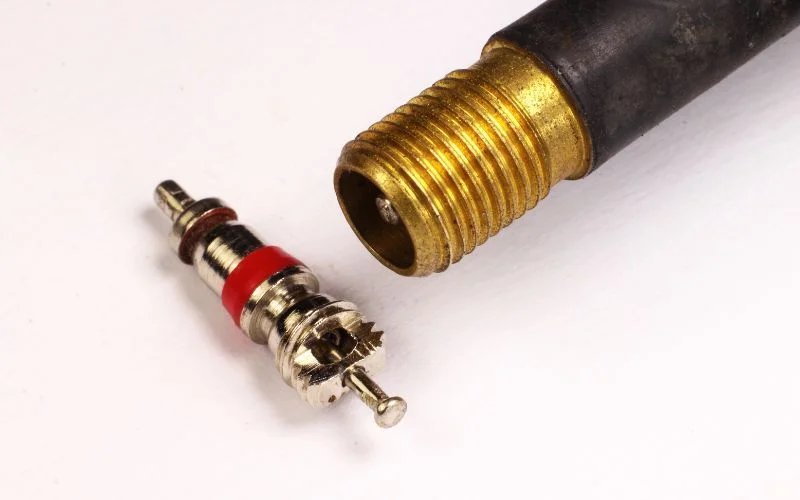
The Schrader valve, commonly found on car tires, is also used on some bicycles. To inflate a tire with a Schrader valve, use a standard air pump or visit a gas station to fill it up. The process here is very similar to airing up a car tire. Attach the air hose from the pump to the valve and inflate it until you reach the recommended pressure level indicated on the tire’s sidewall.
Using a gas station air pump may not be suitable for bike tires. They can deliver a higher volume of air that might overinflate and damage the tire if not used carefully. Ensure you know the pump gauge and stay within the recommended PSI (pounds per square inch) for your specific tire type.
Presta Valves
Presta valves are commonly found on higher-end bicycle tires. The process of inflating a tire with a Presta valve is slightly different from that of a Schrader valve:
- Unscrew the locknut at the top of the valve stem.
- Press down on the valve tip to release a bit of air.
- Connect your pump nozzle to the valve and begin to inflate.
- Once inflated to the desired pressure, close the locknut to shut the valve.
Presta valves have high-pressure applications ranging from 80-130 PSI, making them well-suited for road bikes, but they can require some attention due to their unique inflation process.
Dunlop/Woods Valves
Inflating a bike tire with a Dunlop/Woods valve is similar to inflating a Presta valve without unscrewing a locknut. The process involves pressing down on the valve tip to release air and then connecting your pump nozzle to begin inflating.
In places like the Netherlands, these valves are commonly found on “normal” bikes. Some people prefer replacing tubes with Schrader valves, as they may find them easier to work with.
Understanding how to inflate each type of bike tire valve properly is crucial for maintaining optimal performance and safety during rides. Whether leisurely cycling or intensely road biking, appropriate tire pressure ensures smoother handling and reduces the chance of blowouts or flats.
So remember, next time you’re gearing up for a ride, take a moment to check your tire pressure according to your specific bike valve type, and you’ll be set for an enjoyable time on two wheels!
Transitioning our focus from understanding different bike tire valves, let’s now delve into essential tips for bike tire inflation, ensuring you’re ready for a safe and enjoyable ride every time!
Essential Tips for Bike Tyre Inflation
When it comes to bike tire inflation, there are essential tips that can help you maintain the optimal pressure and ensure a smooth ride. Let’s look at some of the most important factors to consider.
Use a Pressure Gauge
Proper tire inflation is crucial, and using a pressure gauge is the key. This tool helps measure the tire pressure accurately, allowing you to match it with the recommended PSI (pounds per square inch) indicated on the tire sidewall. Correct tire pressure enhances your bike’s performance and contributes to a safer and more comfortable ride.
Maintaining the right tire pressure can significantly impact your biking experience. Underinflated tires can increase rolling resistance, making it harder to pedal and causing premature wear, while overinflated tires can reduce traction and cause a harsher ride. So, investing in a quality pressure gauge is worth every penny regarding safety and performance.
Check for Leaks
After inflating the tires, checking for leaks around the valve area is crucial. Applying soapy water and observing for bubbles is an effective way to confirm whether the valve has a secure seal. Any bubbling indicates a potential air leak, which should be addressed promptly. Maintaining a safe seal is essential for retaining optimal tire pressure and preventing unexpected deflation during rides.
Maintain Consistent Pressure
Regularly checking your tire pressure is key to ensuring safe and efficient riding conditions, particularly for electric bikes. While manual bikes can tolerate slight variations in tire pressure, electric bikes rely more heavily on consistent pressure levels for enhanced performance and battery efficiency. By incorporating a routine tire pressure check into your bike maintenance schedule, you can minimize unnecessary strain on your bike’s components and enjoy a smoother, more reliable ride.
These essential tips are guidelines for effectively managing your bike’s tire pressure, contributing to a safer and more enjoyable riding experience.
Moving on from understanding different valve types, let’s delve into maintenance tips for keeping your bike tire valves in top-notch condition.
Maintenance Tips for Bike Tyre Valves
Taking care of your bike’s tire valves might not be the first thing that comes to mind when you think about bike maintenance, but it’s crucial for preventing avoidable problems and ensuring smooth rides. Here are some top tips for maintaining your bike’s tire valves:
Keep Valves Clean
Regularly wiping the valve area is important to prevent dirt from causing leaks or damage. Dirt can lead to valve failures; no one wants a flat tire mid-ride. Using a soft cloth, gently clean around the valve area to keep it free from debris and ensure a proper seal.
Inspect for Damage
Regularly checking the valve stem for signs of wear, tears, or bending is crucial. Any visible damage could affect its performance and lead to potential air leaks. Even minor wear and tear can greatly impact the valve’s ability to maintain pressure, so it’s best to catch these issues early and address them promptly.
Lubricate the Valves
Applying a small amount of silicone lubricant can help maintain the valve stem’s flexibility and prevent seizing. This ensures that the valve operates smoothly and efficiently. Remember, a little lubricant is needed to keep the valve stem in good condition.
These simple maintenance steps are necessary to avoid frustrating issues like slow leaks or sudden blowouts during a ride. A well-maintained valve keeps the tire at the right pressure, which is important for safety and efficiency on the road.
Think of it this way: Regular maintenance of your bike’s tire valves is like regularly checking the oil in your car—it might seem small, but it’s an integral part of keeping everything running smoothly.
Upgrading Your Bike’s Tyre Valves
Upgrading your bike’s tire valves might not be the first thing that comes to mind when considering enhancing your cycling experience. Still, it can make a significant difference in convenience and performance. Whether you’re riding a standard bike or an electric bike, several valuable upgrades must be considered.
Valve Extenders for Deep-Section Wheels
If you have deep-section wheels on your bike, reaching the valve for inflation or deflation can be tricky. In such cases, valve extenders can be a game-changer. These nifty accessories provide an extended reach for the valve, making it much easier to access, especially when dealing with deep-section rims.
Utilizing valve extenders involves attaching them to the existing valve. They are designed to provide convenient access to the valve head, allowing for effortless inflation and pressure adjustments. This upgrade is particularly valuable for cyclists who use deep-section wheels, where traditional valve stems may need to protrude more for easy access.
Valve Caps for Protection
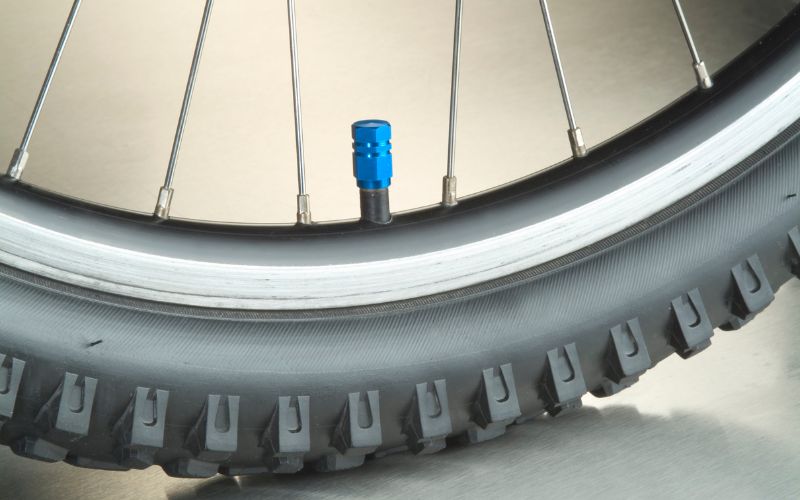
Valve caps are often underestimated but can safeguard tire valves from dirt and debris. While they seem like small and insignificant accessories, they act as protective barriers against contaminants that can compromise the valves’ integrity over time.
Here’s why valve caps are important:
- They prevent dirt and grime from accumulating on the valve core, reducing the risk of air leaks.
- They shield the valve core from moisture and debris that could lead to corrosion, extending its lifespan.
Investing in durable and quality valve caps can make a noticeable difference in maintaining the performance and longevity of your tire valves.
Upgrading Electric Bike Valves
If you ride an electric bike and are considering upgrading its valves for specific performance reasons, it is advisable to seek advice from a professional bike mechanic. Electric bikes have unique specifications and requirements that may necessitate personalized recommendations based on factors like tire type, rim material, and riding conditions.
Incorporating these upgrades into your biking routine can enhance your tire valves’ convenience, durability, and overall performance. Whether simplifying access with valve extenders or providing protection with valve caps, these upgrades offer a more enjoyable and hassle-free cycling experience.
