
Navigating Alabama Electric Bike Laws with Ease
Electric bikes, or e-bikes, have surged in popularity as a convenient and eco-friendly mode of transportation. However, before you hit the road on your electric bike in Alabama, it’s crucial to understand the legal framework surrounding these innovative vehicles. This article will delve into the ins and outs of Alabama electric bike laws, ensuring you ride safely and comply with the regulations.
Understanding Electric Bikes and Classes

Electric bikes come in various forms, each with distinct features and capabilities. Alabama law categorizes e-bikes into three classes:
Class 1 E-Bikes
Class 1 e-bikes are equipped with a motor that assists the rider’s pedaling efforts but ceases to assist once the bike reaches a speed of 20 miles per hour. These bikes are allowed on roads, bike lanes, and paths.
Class 2 E-Bikes
Class 2 e-bikes feature a motor that can propel the bike even without pedaling, with a maximum speed of 20 miles per hour. They are also permitted on roads, bike lanes, and paths.
Class 3 E-Bikes
Class 3 e-bikes are similar to Class 1 bikes but can reach a higher speed of 28 miles per hour. However, they are only allowed on roads and bike lanes – not on paths designated for pedestrians.
E-Bike Regulations According to Age
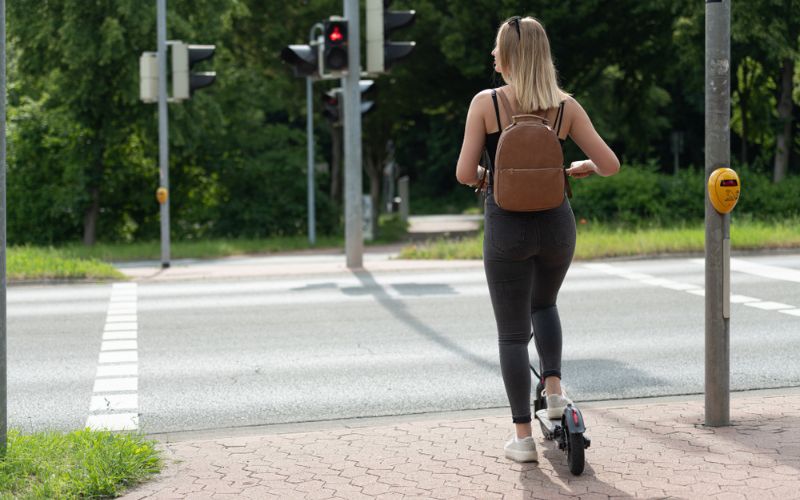
Alabama electric bike laws also factor in the rider’s age when determining where e-bikes can be ridden:
E-bikes for Riders Under 16
Riders under 16 can operate Class 1 and Class 2 e-bikes on bike paths and bike lanes. However, they are not allowed to ride these e-bikes on roads.
E-Bikes for Riders 16 and Older
Riders who are 16 years of age or older can operate Class 1 and Class 2 e-bikes on roads, bike lanes, and paths. Class 3 e-bikes are also permitted for riders in this age group, but they must wear helmets and can only ride on roads and bike lanes.
E-Bike Equipment and Safety Regulations
Ensuring the safety of e-bike riders and those sharing the road is a priority for Alabama’s electric bike laws:
Helmet Requirements
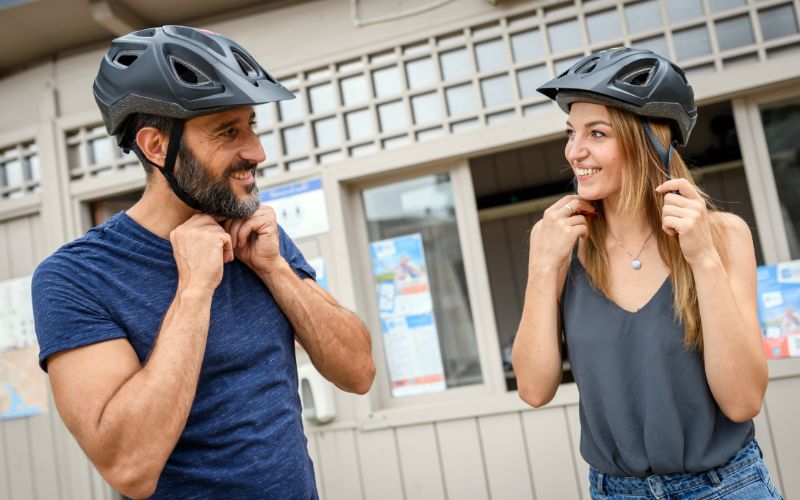
While Alabama law doesn’t mandate helmet use for riders over 16 on Class 1 and Class 2 e-bikes, it’s strongly recommended that all riders wear helmets to prevent head injuries in case of accidents. However, riders of Class 3 e-bikes are required to wear helmets.
Lighting and Signaling
All e-bikes, regardless of class, must have a white front light and a red rear reflector for nighttime visibility. Class 3 e-bikes must also have a horn or bell to alert pedestrians and other vehicles.
Yielding to Pedestrians
E-bike riders must yield the right-of-way to pedestrians on paths and sidewalks. When overtaking pedestrians, you must provide an audible signal, such as a bell, to alert them of your presence.
Riding Etiquette and Rules
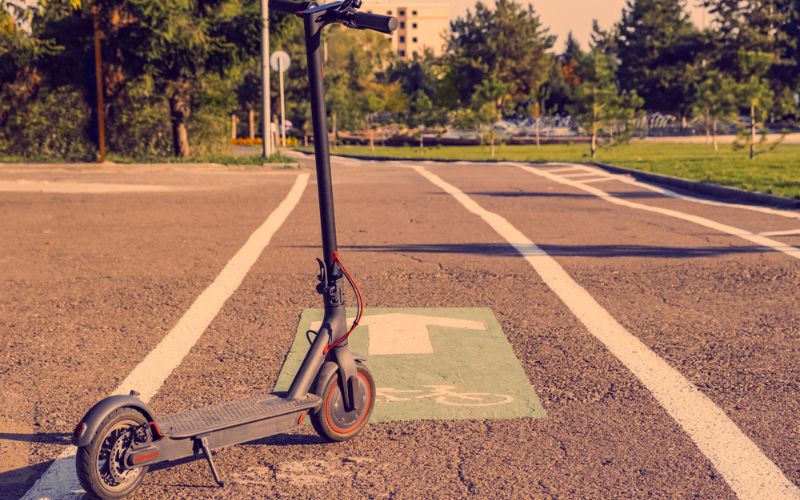
Responsible riding not only ensures your safety but also promotes harmony among all road users:
Obeying Traffic Laws
E-bike riders are subject to the same traffic laws as traditional bicycle riders. This includes obeying traffic signals, stopping at stop signs, and using appropriate hand signals for turns.
Bike Lane Use
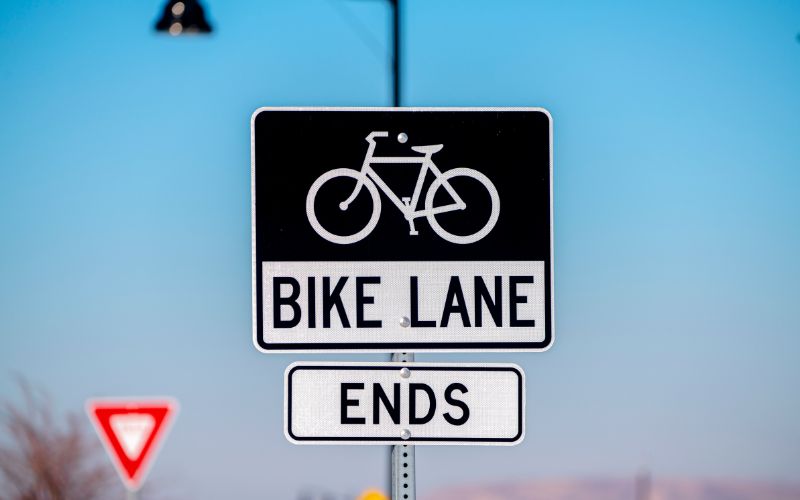
When a bike lane is available, e-bike riders should use it. However, be cautious when entering intersections and yield to turning vehicles.
Riding on Sidewalks
Riding e-bikes on sidewalks in Alabama is generally legal unless local ordinances prohibit it. When riding on sidewalks, maintain a safe speed and yield to pedestrians.
Traveling Between Cities and Counties

When it comes to riding your e-bike between different cities and counties in Alabama, it’s important to consider the nuances of regional regulations:
Varying Local Ordinances
Some cities and counties might have specific ordinances that regulate the use of e-bikes within their jurisdiction. These ordinances could affect where you can ride and the speed limits you must adhere to.
Research Before You Ride
Before embarking on a cross-city or cross-county e-bike journey, take some time to research the specific regulations of the areas you’ll be traveling through. This can help you avoid unintentional violations.
Interactions with Law Enforcement
If you’re pulled over by law enforcement while riding your e-bike, it’s important to remain calm and cooperative. Familiarize yourself with the regulations applicable to your e-bike class to confidently explain your compliance.
Advocating for E-Bike Safety
E-bikes are not only a convenient mode of transportation but also contribute to reducing traffic congestion and lowering carbon emissions. To ensure the continued growth of e-bike usage and promote safety, both riders and policymakers must take certain steps:
Rider Education
Educating e-bike riders about road rules, proper signaling, and safe riding practices can enhance overall road safety. Workshops, online resources, and community events can effectively spread awareness.
Infrastructure Development
Investing in dedicated bike lanes, paths, and bike-sharing programs can create a safer environment for e-bike riders. Designing roadways to accommodate traditional bicycles and e-bikes can reduce conflicts with motor vehicles.
Collaborative Efforts
Government agencies, cycling advocacy groups, and local communities should collaborate to establish clear and consistent e-bike regulations. This can prevent confusion and ensure that e-bike riders understand their rights and responsibilities.
Keeping Up with Changing Regulations
It’s important to note that regulations and laws can change over time. Staying informed about any updates or modifications to e-bike laws is vital for your continued compliance and safety:
Legislative Updates
Monitor legislative changes related to e-bikes at the state and local levels. These updates can impact where you can ride, what equipment you need, and more.
News and Resources
Follow reputable sources related to cycling and transportation to stay up-to-date with the latest developments in e-bike regulations. Government websites, cycling associations, and local news outlets can be valuable resources.
Seeking Legal Advice
If you’re uncertain about specific e-bike laws or need clarification, consider consulting legal experts specializing in cycling regulations. They can provide accurate guidance based on the most current information.
FAQs
1: Can I modify my e-bike to achieve higher speeds?
Modifying your e-bike to exceed the speed limits set for its class is not recommended. Doing so might lead to legal repercussions and could compromise your safety.
2: Can I ride my Class 3 e-bike on hiking trails?
No, Class 3 e-bikes are restricted to roads and bike lanes. Riding them on hiking trails designated for pedestrians could result in fines.
3: Are there any financial incentives for using e-bikes in Alabama?
Yes, some cities in Alabama offer incentives such as tax credits or rebates for purchasing e-bikes to promote eco-friendly transportation alternatives.
